
Lothar Matthäus Questions Vinícius Júnior’s Role at Real Madrid
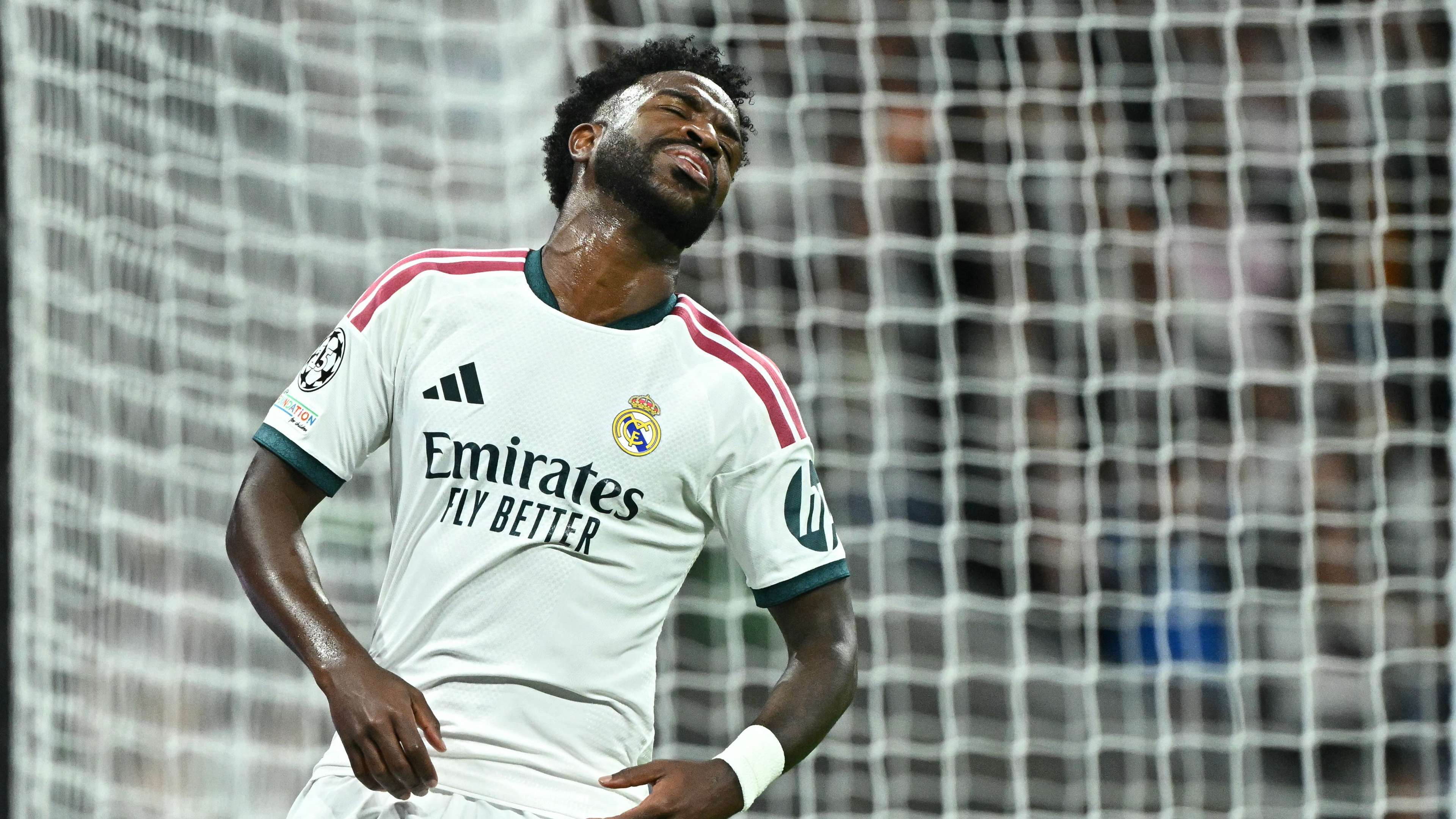
Real Madrid’s decision-making around Vinícius Júnior has come under fresh scrutiny after German football great Lothar Matthäus urged club president Florentino Pérez to take a firm position on the Brazilian forward. The former Bayern Munich and Germany captain argues that Madrid have looked more balanced in recent matches without Vinícius, raising questions about how manager José Mourinho should use the winger when he is available again.
Matthäus’s remarks, reported by German newspaper Bild, go beyond a debate about tactics or form. The Sky Sports pundit criticised Vinícius’s conduct and public image, claiming that his behaviour can distract from the team’s collective work. His comments have added another layer to a difficult spell for the 25-year-old, who is serving a suspension after being sent off against Villarreal.
Matthäus Says Madrid Look More Cohesive Without the Brazilian
Matthäus pointed to Real Madrid’s recent results as evidence that the side can function effectively without its high-profile attacker. He cited victories over Barcelona in the Clásico and Roma, which Madrid won 4–3, and said the team appeared more organised during Vinícius’s absence or limited involvement.
“I’m curious to know what Real Madrid will do with Vinícius Júnior, because the team works better in his absence,” Matthäus said, according to Bild. He also noted that Vinícius was substituted during the Roma match, a game Madrid went on to win.
That assessment is a pointed one, but it reflects a familiar question for elite clubs: how should a coach balance the influence of a star forward with the demands of a team structure? Vinícius brings pace, dribbling and the ability to change a match in a single moment. At the same time, Madrid’s attacking system depends on players making coordinated decisions, tracking back and sharing responsibility across the pitch.
Recent wins alone cannot settle the debate. Results are shaped by opponents, game state, injuries and tactical choices, while a short run of matches is not always a reliable measure of a player’s overall value. Still, when a team performs well without a major star, the contrast naturally fuels discussion about roles, discipline and balance.
Conduct and Team Image Become Part of the Debate
Matthäus’s criticism focused heavily on Vinícius’s behaviour, which he believes can create unnecessary tension around the club. He described the winger as a “troublemaker” and argued that his conduct does not benefit Madrid. The former midfielder also compared Vinícius with Harry Kane, praising the England captain’s composed public manner and approach to difficult situations.
Such comparisons are inevitably subjective. Players have different personalities and respond to pressure in different ways, particularly in an environment as intense as Real Madrid, where every performance and reaction can attract global attention. Vinícius has also been a target of abuse during his career, making the wider conversation about his conduct and the treatment he receives especially complex.
Nevertheless, Matthäus’s comments underline how a player’s public image can become part of a club’s sporting discussion. For supporters, the central issue is often whether a footballer’s actions strengthen the team’s focus or pull attention away from results. For Madrid, managing that perception is a challenge shared by the coaching staff, senior players and club leadership.
Direct Appeal to Florentino Pérez
Matthäus called on Pérez to make the club’s position clear, whether that means addressing Vinícius directly or supporting Mourinho if the coach chooses to leave him out of the starting lineup. He suggested that the forward could remain on the bench after his suspension ends if the manager believes that decision is best for the side.
“I hope, for the sake of Real Madrid, that the president will clearly express his position on Vinícius Júnior,” Matthäus said. “He could stay on the bench, because I believe he is clearly harming the team and the club.”
That is a strong recommendation, but the final decision rests with Madrid’s leadership and coaching staff. Pérez must weigh the club’s standards and dressing-room harmony against Vinícius’s importance as one of its most dangerous attacking players. Mourinho, meanwhile, has to determine how the forward can contribute within the tactical plan and whether any disciplinary measures are necessary.
Suspension Delays Vinícius’s Return
Vinícius is currently serving a four-match suspension following his dismissal against Villarreal. The punishment followed an incident involving a confrontation with Arsenal defender William Saliba, during which Vinícius was accused of pulling the defender’s hair. He is expected to miss fixtures against Sevilla and Barcelona, as well as a match against Racing.
The Brazilian is expected to return to Madrid’s plans for the UEFA Champions League meeting with AEK Athens on 4 November, subject to the team’s selection and any further developments. His absence gives Mourinho an opportunity to test alternative combinations and assess whether the recent improvement Matthäus describes can be sustained.
It also creates a practical test for the winger. When he returns, his performances will be judged not only by goals, assists and successful dribbles, but also by how effectively he fits into the team’s broader approach. A disciplined display could help quiet criticism; another controversy would likely intensify it.
What Happens Next? Real Madrid Prediction
The most likely outcome is that Vinícius will remain an important part of Real Madrid’s plans, even if Mourinho takes a more cautious approach to his minutes or role. A player with his speed and ability to create chances is difficult to replace over a long season, especially in high-pressure LaLiga and Champions League matches. However, the coach may demand greater consistency and a clearer commitment to the team’s defensive and tactical responsibilities.
For now, the prediction is that Madrid will avoid making a dramatic decision based solely on a short stretch of results. Instead, the club is likely to manage the situation internally, with Mourinho deciding when and how Vinícius returns to the lineup. The coming matches should offer a clearer picture of whether Madrid’s improved performances without him represent a lasting tactical shift—or simply a temporary run of form.
Matthäus has made his position unmistakable. The bigger question is whether Real Madrid’s leaders share his assessment, and how Vinícius responds when he is back on the pitch. In a club where individual brilliance and collective discipline must coexist, the answer could shape both the team’s season and the future of one of its most influential stars.