
AC Milan Faces Critical Scrutiny Over Youth Development: The Cases of Camarda and Comotto
In recent months, AC Milan’s approach to nurturing young talent has come under intense scrutiny from fans, analysts, and club insiders alike. Central to this debate are promising prospects Francesco Camarda and Christian Comotto, whose futures at the club remain uncertain despite recent contractual commitments. The decisions surrounding these young players highlight broader challenges in balancing immediate results with long-term player development in top-tier European football.
Unpacking the Expectations and Reality of Milan’s Youth Strategy
AC Milan, renowned for its illustrious history and commitment to nurturing young talent, has seen its strategy tested amid fluctuating performances and evolving club priorities. The club’s recent renewal of Camarda’s contract until 2031 — a significant vote of confidence — signals a long-term vision. However, the practical realities on the pitch tell a different story, raising questions about the effectiveness and clarity of Milan’s youth development plan.
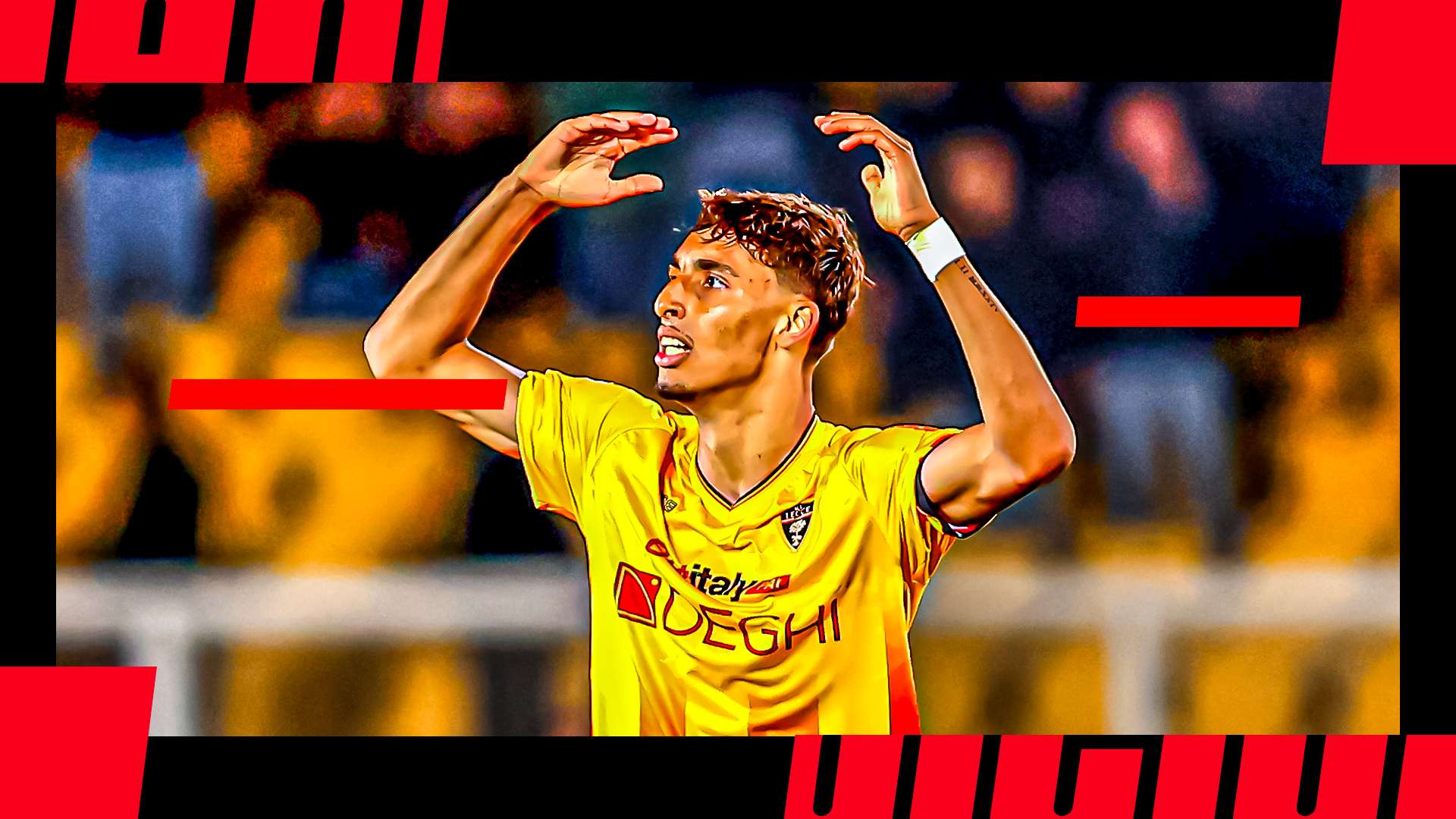
Francesco Camarda, born in 2008, is considered one of Italy’s brightest young talents. His journey from the Primavera ranks to the first team has been marked by a series of strategic moves, including a loan spell at Lecce last season designed to give him valuable first-team experience. Yet, despite the promise and the club’s evident faith, Camarda’s appearances have been limited. The young midfielder has logged just five minutes across the first five league games this season, with his most notable involvement being a brief cameo against Lazio.
This limited exposure raises pertinent questions about the club’s handling of its youth players. Critics argue that consistent playing time is essential for player development, especially for teenagers at crucial stages of their growth. The lack of opportunities might hinder Camarda’s progression and undermine the long-term investment that Milan has made by extending his contract until 2031.
The Case of Christian Comotto: A Player in Transition
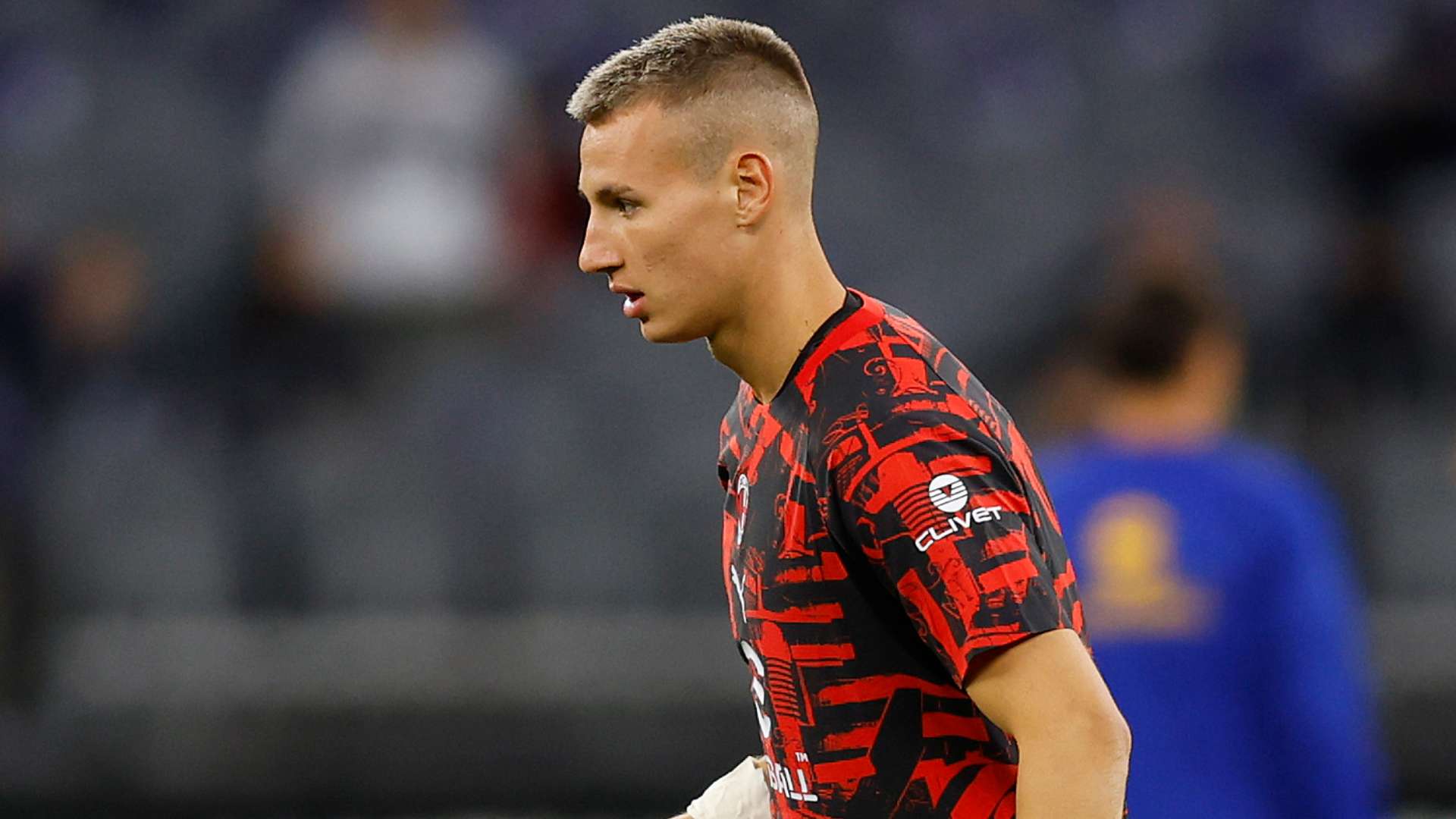
Similarly, Christian Comotto’s situation reflects the complexities faced by clubs aiming to develop young talent. Though less publicly discussed than Camarda, Comotto’s trajectory offers insights into Milan’s broader youth strategy. Like his teammate, Comotto has been shuttled between the Primavera, the Milan Futuro project, and the senior squad. Such frequent movement can be both an opportunity and a challenge, depending on how well the transitions are managed and whether the player receives adequate guidance and playing time.
Recent reports indicate that Milan’s management remains optimistic about Comotto’s potential, but his future at the club remains uncertain. The decision to extend Camarda’s contract until 2031 alongside Comotto suggests a belief that both players are integral to the club’s long-term plans. However, the lack of consistent first-team minutes raises concerns about whether these young talents are being adequately prepared for the rigors of top-flight football.
The Broader Implications of the Transfer and Prediction Strategies
In today’s football landscape, the transfer market and player prediction models have become crucial components of club strategy. Milan’s investment in youth, exemplified by the contract renewals, reflects an awareness of this shift. Clubs worldwide are increasingly recognizing the value of homegrown talent, both for their potential on the pitch and their marketability in future transfer windows.
Yet, the challenge lies in translating these predictions into tangible results. The decision to retain young players like Camarda and Comotto until 2031 indicates confidence, but actual on-field opportunities are vital to validate such faith. The transfer market is unpredictable; injuries, form, and tactical needs can all influence a young player’s future. Therefore, clubs must strike a delicate balance—preserving their long-term vision while ensuring that young talents receive the necessary platform to develop.
The Impact of Recent European Encounters on Youth Prospects
The recent European outings for Milan provide additional context to these discussions. For example, during a high-stakes Champions League match against Benfica, Milan faced a two-goal deficit with limited options on the bench. Notably, Francesco Camarda was on the bench for the entire 94 minutes, despite the team’s desperate need for offensive solutions at that stage of the game.
This scenario underscores the broader debate about youth integration into critical moments. While the decision to keep Camarda on the bench may have been tactical, it also highlights how the club perceives his readiness for such pressures. Critics argue that giving young players exposure in high-pressure situations is essential for their growth and confidence. Conversely, management might prefer to develop players gradually to avoid risking setbacks in crucial matches.
Looking Ahead: The Future of Milan’s Youth Development
As Milan continues to navigate the complex landscape of modern football, the development of players like Camarda and Comotto will serve as a litmus test for the club’s long-term strategy. Will these young talents be integrated more fully into first-team plans? Or will they be sacrificed for immediate results or other tactical considerations?
One thing is clear: the decisions made today will shape Milan’s future on both the domestic and European stages. The club’s ability to predict player potential accurately, provide them with sufficient opportunities, and manage their transition into senior football will be critical in maintaining competitiveness and fostering a new generation of stars.
Expert Opinions and Fan Perspectives
Football analysts emphasize that the success of youth development hinges on consistent playing time and clear progression pathways. “Young players need to feel trusted and valued at every stage,” says sports analyst Marco Rossi. “If Milan can find the right balance between nurturing talent and achieving immediate goals, they will reap the rewards in the years to come.”
Fans, meanwhile, express a mix of hope and frustration. Supporters appreciate the club’s investment in youth but are eager to see these players given more prominent roles. “Camarda and Comotto are the future,” tweeted one Milan supporter. “We need to see them get minutes, not just contracts.”
Conclusion: A Critical Juncture for Milan’s Youth Strategy
AC Milan’s handling of Francesco Camarda and Christian Comotto epitomizes the broader challenges faced by elite clubs in developing homegrown talent. While the club’s recent contract renewals reflect a firm belief in these young players’ potential, actual opportunities on the pitch are essential to turn predictions into reality.
Looking ahead, Milan’s success in integrating youth into their competitive core could serve as a blueprint for other clubs striving to balance immediate success with sustainable long-term growth. For now, all eyes will remain on Camarda, Comotto, and the club’s leadership to see whether their promising futures will be realized on the pitch or remain a work in progress.