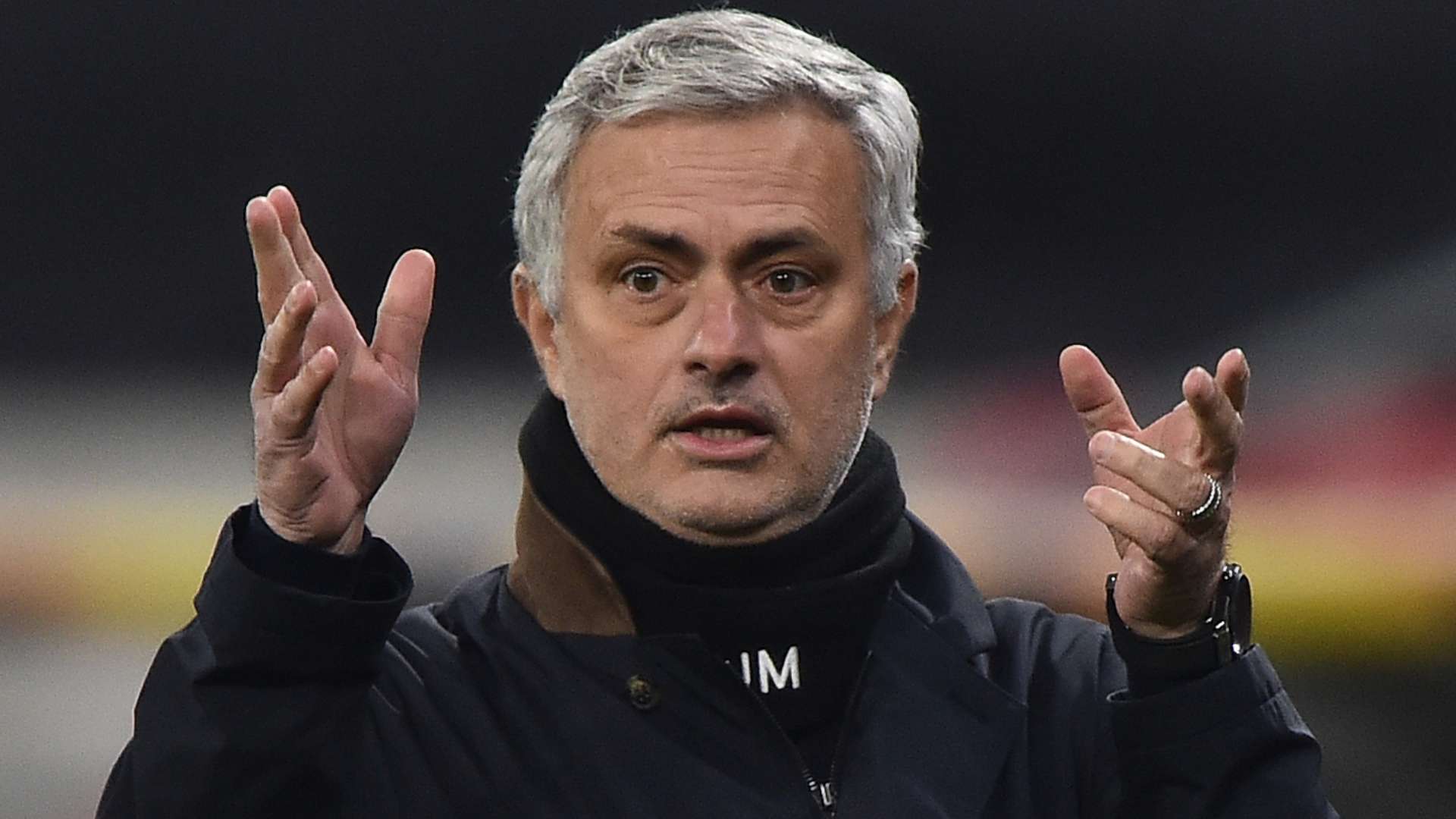

In an exclusive interview on the Beast Mode On Podcast, former Tottenham Hotspur manager José Mourinho shed light on his unexpected dismissal from the club just days before the 2021 League Cup final. The Portuguese coach revealed that his decision to bench star player Heung-min Son prior to the crucial match at Wembley may have been a contributing factor in his departure.
José Mourinho Reveals Shocking Details Behind Tottenham Sacking
The Build-Up to the League Cup Final
Mourinho’s tenure at Tottenham came to an abrupt end in April 2021, sending shockwaves through the football world. The timing of his sacking, just days before the highly anticipated League Cup final against Manchester City, raised eyebrows among fans and analysts alike. In his interview on the Beast Mode On Podcast, Mourinho disclosed that his threat to bench fan-favorite Heung-min Son leading up to the final may have played a role in the club’s decision to part ways with him.
The Controversial Decision
Known for his bold and sometimes controversial coaching tactics, Mourinho’s decision to potentially sideline Son in such a crucial match sparked debate among supporters. The Portuguese manager explained that he wanted to send a message to the team by considering benching the South Korean forward, who had been a key player for Tottenham throughout the season. Mourinho’s tough approach to team selection has been a trademark of his managerial style, but it seems that this particular decision may have backfired in the context of the League Cup final.
The Fallout
Following his departure from Tottenham, Mourinho’s comments on the Beast Mode On Podcast have reignited speculation and discussion surrounding his time at the club. Fans and pundits have been dissecting the details of his decision-making and the events leading up to his dismissal, with many expressing surprise at the revelation about Son’s potential benching. As Mourinho reflects on his tenure at Tottenham, questions remain about the impact of his coaching style and whether his approach ultimately cost him his job.
Looking Ahead
As Mourinho continues to navigate his coaching career, the insights shared in his podcast interview offer a glimpse into the inner workings of a high-profile managerial departure in the world of football. The fallout from his sacking by Tottenham serves as a cautionary tale for coaches and players alike, highlighting the importance of communication, team dynamics, and strategic decision-making in the pressure-cooker environment of elite football competition.
In conclusion, José Mourinho’s revelations about his shock sacking by Tottenham provide a fascinating behind-the-scenes look at the complexities of football management. As the football world absorbs the details of this high-profile departure, the impact of Mourinho’s decision-making on and off the field will continue to be analyzed and debated by fans, analysts, and the wider sporting community.
Analysis of Mourinho’s Coaching Style
Mourinho’s approach to coaching has always been characterized by his no-nonsense attitude and willingness to make tough decisions for the benefit of the team. Throughout his career, he has built a reputation as a manager who prioritizes results over player sentimentality. While this approach has yielded success in the past, it has also led to clashes with players and club management.
In the case of Tottenham, Mourinho’s decision to potentially bench Son ahead of the League Cup final illustrates his uncompromising nature when it comes to team selection. While some may view this as a bold move to motivate the squad, others see it as a risky decision that ultimately cost him his job. This incident sheds light on the delicate balance coaches must strike between authority and player morale in high-stakes situations.
Impact on Player Relations
The revelation about Son’s potential benching has undoubtedly raised questions about Mourinho’s relationship with the players at Tottenham. As a manager known for his strong personality and demanding coaching style, Mourinho’s interactions with his squad have often been scrutinized. The fallout from his departure has sparked discussions about the importance of fostering positive relationships with players while maintaining discipline and professionalism.
Player-coach dynamics play a crucial role in the success of any team, and Mourinho’s experience at Tottenham serves as a cautionary tale for future coaches. Building trust, communication, and mutual respect with players are essential components of effective leadership in football, as highlighted by the events leading up to Mourinho’s departure.
Lessons Learned for Future Managers
Mourinho’s unexpected sacking from Tottenham serves as a valuable lesson for aspiring coaches and seasoned professionals alike. The intricacies of managing a top-tier football club involve navigating egos, expectations, and pressures from all angles. The importance of clear communication, strategic decision-making, and understanding the team’s dynamics cannot be understated in the fast-paced and high-stakes world of football.
As Mourinho embarks on the next chapter of his coaching career, he will undoubtedly carry the lessons learned from his time at Tottenham with him. Reflecting on his departure and the circumstances leading up to it will allow him to evolve and adapt his coaching style for future endeavors. Ultimately, the footballing community will continue to follow Mourinho’s journey with keen interest, eager to see how he applies these lessons in his quest for success.
In conclusion, Mourinho’s revelations on the Beast Mode On Podcast offer a unique insight into the challenges and complexities of football management at the highest level. By unpacking the details surrounding his departure from Tottenham, we gain a deeper understanding of the impact of coaching decisions on team dynamics, player relations, and overall success. Mourinho’s experience serves as a reminder of the fine line coaches must walk in balancing authority with empathy, strategy with intuition, and results with relationships in the demanding world of professional football.