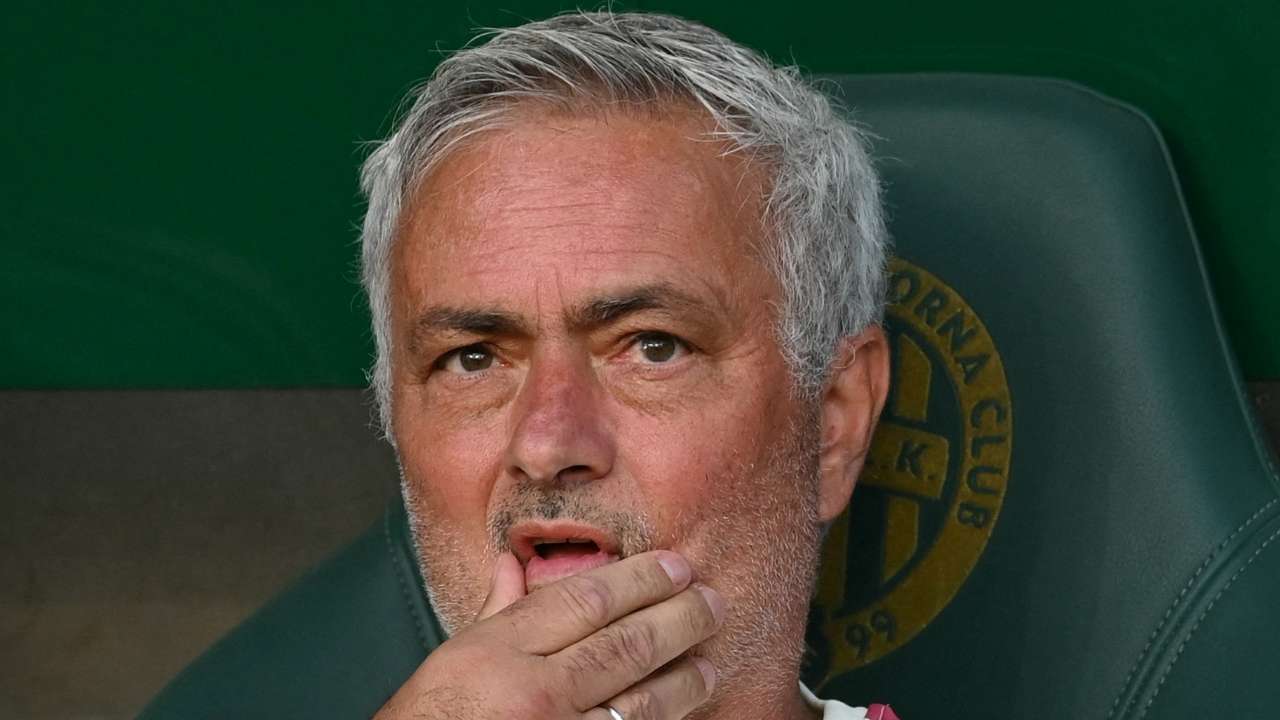

Real Madrid’s Clasico prediction: Mourinho plans to test Barcelona’s defensive work rate
Real Madrid are preparing for a high-stakes Clasico against Barcelona at Spotify Camp Nou, and José Mourinho is reportedly considering a more proactive approach than the familiar plan of sitting deep and counterattacking. Rather than allowing Barcelona to dominate possession, the Portuguese coach may look to make the Catalans defend for long stretches—and then exploit the spaces their high defensive line leaves behind.
That strategy could shape the contest as much as the battle for possession. Barcelona are dangerous when their attacking players can stay high, combine quickly and focus on creating chances. But Mourinho’s reported plan is designed to make them work in the opposite direction: tracking runners, recovering into defensive positions and repeatedly covering ground as Real Madrid move the ball forward.
Why Mourinho may target Barcelona’s attacking players
According to the Defensa Central network, Mourinho has focused particular attention on Lamine Yamal, Gordon, Pedri and Rodri. Their positioning and defensive contributions could offer important clues about how Barcelona intend to approach the match. If they are forced to retreat frequently, Real Madrid may be able to disrupt the rhythm that makes the hosts so effective in attack.
The idea is not simply to tire Barcelona’s key players for its own sake. Defensive recovery runs can affect what happens at the other end of the pitch. A player who has spent the previous phase chasing an opponent may have less energy and precision when Barcelona win the ball back and try to build a dangerous attack. For Real, that could mean fewer accurate passes into the final third and less threat around goalkeeper Andriy Lunin.
It is a demanding plan, however. Barcelona’s attacking players are capable of pressing aggressively and turning a misplaced pass into an immediate chance. Real Madrid will need to move the ball with purpose while keeping enough players in position to protect against a counterattack. The balance between attacking pressure and defensive security may prove decisive.
Lessons from Barcelona’s Champions League match
Mourinho has also reportedly studied Barcelona’s Champions League meeting with Paris Saint-Germain, where Luis Enrique’s side exposed vulnerabilities in the Catalans’ defensive structure. Those weaknesses became more apparent late in the match, when Barcelona’s physical intensity began to fall and the spaces around their defensive line became harder to cover.
Hansi Flick’s team often defends with a high line, a system that can compress the pitch and help Barcelona win the ball closer to goal. But it carries an obvious risk: if opponents break through the first pressure, there can be considerable space behind the defenders. Against fast, direct attackers, a single well-timed pass can turn that space into a clear scoring opportunity.
Real Madrid have players suited to that kind of transition. Diomande and Fede Valverde have shown the capacity to make powerful runs over long distances, while Kylian Mbappé’s pace can make even a small gap behind the defence dangerous. The challenge will be timing those runs and delivering the ball before Barcelona can reorganise.
Vertical passing without aimless long balls
The reported plan centres on vertical football: winning possession and moving the ball forward quickly. That does not necessarily mean launching hopeful long passes from the back. Against Barcelona’s offside trap, rushed distribution could play directly into the hosts’ hands and leave Real’s forwards stranded beyond the defensive line.
Instead, an intermediate passing phase may be crucial. Jude Bellingham or Arda Güler could receive the ball between the lines, draw a Barcelona midfielder out of position and then release a pass toward the flanks. From there, Real could stretch the defence, create one-on-one situations and open channels for runners arriving through the middle.
This approach would give Real Madrid more control over the speed and direction of their attacks. By moving the ball through midfield before searching for Mbappé or Diomande, they could make Barcelona’s defenders turn and run toward their own goal. That is often more difficult than defending a straightforward ball played from deep, particularly when the attacking runners have a clear advantage in speed.
What the tactical battle could mean for the Clasico
For Barcelona, the key may be maintaining compact distances between the forwards, midfield and defence. If the attacking players are slow to recover, Real Madrid could find room to progress through the centre or switch play to the wings. If Barcelona’s back line drops too far, however, it may give Bellingham and Güler more space to receive the ball and dictate the next phase.
Real Madrid, meanwhile, must avoid confusing urgency with impatience. A well-managed attack can force Barcelona to defend without exposing the visitors to needless turnovers. Winning the ball and finding a forward-facing midfielder quickly could create the transition Mourinho wants, while a careless pass could leave Real vulnerable to Barcelona’s own speed and technical quality.
The broader prediction is that this Clasico may be decided by more than possession statistics. Barcelona could have the ball for long periods, but Real’s ability to pressure their attacking players, exploit the high line and accelerate through midfield may determine which side creates the clearer chances. If Mourinho’s reported plan succeeds, the match could become a test of Barcelona’s stamina and defensive discipline as much as their creativity.
That makes the opening exchanges especially important. Barcelona will want to establish their attacking rhythm, while Real Madrid may look for early opportunities to force recovery runs and expose space behind the defence. Whether the visitors can execute their vertical game with enough precision—and whether Barcelona can keep their shape under pressure—will be central to the tactical story of the Clasico.