
Former Manchester United Player Criticizes Tottenham’s Interim Manager
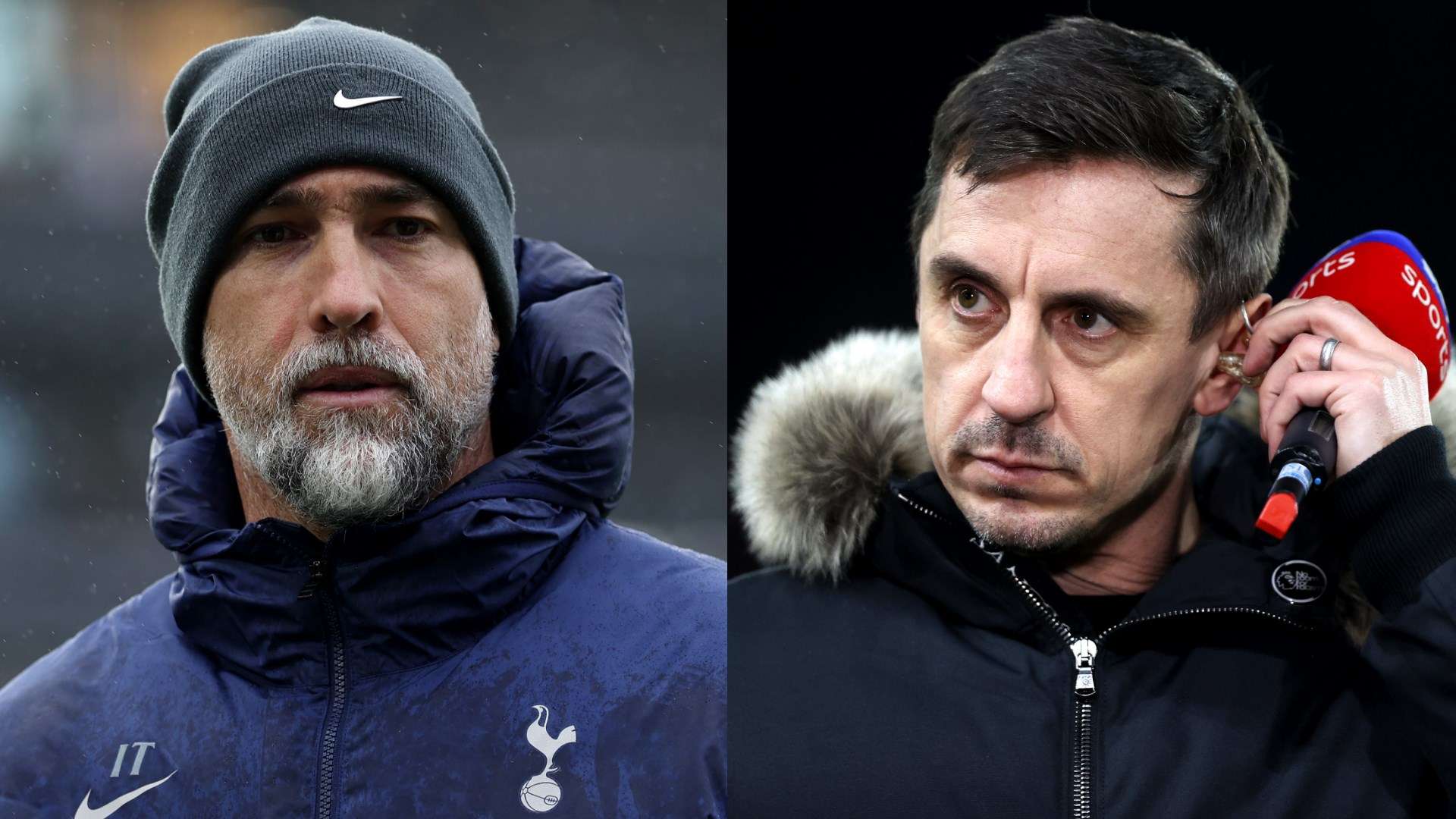
Former Manchester United and England full-back Gary Neville has not held back in his criticism of Igor Tudor’s brief stint as Tottenham’s interim manager. Neville described Tudor’s four-week tenure as a “car crash” following the team’s disappointing Champions League round of 16 defeat to Atletico Madrid.
Strong Words Against Treatment of Young Keeper
One particular incident that caught Neville’s attention was Tudor’s treatment of young goalkeeper Antonin Kinsky. Neville condemned the manager’s actions as “brutal” towards the inexperienced player. Kinsky, who was thrust into the spotlight during the crucial Champions League match, was reportedly subjected to harsh criticism and lack of support from Tudor.
As a former player himself, Neville empathized with Kinsky’s situation and believed that the manager’s handling of the young goalkeeper was unacceptable. Neville emphasized the importance of nurturing young talent and providing them with the support and guidance they need to succeed at the highest level of football.
Disappointment Over Champions League Defeat
Tottenham’s defeat to Atletico Madrid in the Champions League round of 16 was a major blow to the team and its supporters. The loss not only ended their European campaign but also highlighted the issues within the club, particularly during Tudor’s short-lived tenure as interim manager.
Neville’s comments reflect the frustration felt by many fans and analysts who had high hopes for Tottenham in the Champions League. The team’s performance under Tudor’s leadership was lackluster, and his treatment of players like Kinsky only added to the disappointment.
Importance of Strong Leadership in Football
As a respected figure in the world of football, Neville’s words carry weight and serve as a reminder of the importance of strong leadership in the sport. Managers play a crucial role in shaping the success of a team, both on and off the field. Their ability to inspire and motivate players, as well as make strategic decisions, can make a significant impact on a team’s performance.
Neville’s criticism of Tudor’s management style highlights the need for managers to be supportive and empowering, especially when working with young and inexperienced players. Building a positive and nurturing environment within a team can lead to better results and overall success in football.
Looking Ahead
As Tottenham moves forward from this disappointing defeat and looks towards the future, the club will need to address the issues raised by Neville and others. Strong leadership, proper player management, and a focus on nurturing young talent will be key components in the team’s success moving forward.
Only time will tell how Tottenham responds to this setback and whether they can bounce back stronger under new leadership. The football world will be watching closely to see how the team regroups and prepares for future challenges in both domestic and international competitions.
Analysis of Igor Tudor’s Management Style
Delving deeper into Igor Tudor’s management style, it becomes evident that his brief tenure at Tottenham was marked by a lack of cohesion and strategic direction. His decision-making, particularly in crucial matches such as the Champions League round of 16, came under scrutiny for its questionable nature. Tudor’s failure to effectively communicate with his players and instill a sense of confidence in them ultimately contributed to Tottenham’s disappointing performance.
Moreover, Tudor’s treatment of young goalkeeper Antonin Kinsky highlighted a larger issue within the team – the need for a supportive and nurturing environment for developing talents. In modern football, where youth players are increasingly being given opportunities to shine on the big stage, it is imperative for managers to handle them with care and provide the necessary guidance to help them reach their full potential.
The Impact of Leadership on Team Dynamics
Gary Neville’s critique of Tudor’s leadership sheds light on the significant impact that a manager can have on team dynamics. A strong leader not only motivates players to perform at their best but also fosters a sense of unity and camaraderie among the squad. Tudor’s management style, as pointed out by Neville, lacked the elements needed to create a cohesive and winning team.
Effective leadership in football extends beyond tactics and strategy; it encompasses qualities such as empathy, communication, and the ability to build trust with players. Managers who possess these attributes are more likely to garner respect from their team and achieve success both on and off the pitch.
The Road to Redemption for Tottenham
Following the disappointment of their Champions League exit and the criticism leveled at Tudor’s management, Tottenham now faces a critical juncture in their season. The club must regroup, reassess their strategies, and appoint a new manager who can steer them in the right direction. Learning from the mistakes of the past is crucial for Tottenham to bounce back stronger and compete at the highest levels of football.
Moving forward, Tottenham will need to prioritize building a positive team culture, nurturing their young talents, and instilling a winning mentality within the squad. By addressing the issues highlighted by Neville and other critics, the club can set themselves on a path towards success and redemption in future competitions.
Final Thoughts
In conclusion, Gary Neville’s candid critique of Igor Tudor’s management at Tottenham serves as a valuable lesson in the importance of strong leadership and player development in football. As the club navigates through this challenging period, the spotlight is on them to make the necessary changes and forge a new path towards success. By heeding the insights provided by Neville and taking proactive steps to address their shortcomings, Tottenham can emerge stronger and more resilient in the competitive world of football.
Ultimately, the journey towards redemption for Tottenham will be paved with obstacles, but with the right leadership and a commitment to improvement, the club has the potential to rise above its setbacks and write a new chapter of success in the beautiful game of football.