

Football Controversy Deepens: Senegal Challenges Morocco’s 2025 Africa Cup of Nations Title in Court
The saga surrounding the disputed 2025 Africa Cup of Nations (AFCON) final continues to unfold, capturing the attention of football fans across Africa and beyond. Recent developments reveal that the Senegalese Football Federation (FSF) has officially taken the fight to the Court of Arbitration for Sport (CAS), appealing against the decision made by the Confederation of African Football (CAF) that awarded the title to Morocco. This legal tussle not only underscores the intensity of the rivalry between these two football giants but also raises significant questions about the integrity of the tournament’s officiating and the future of African football governance.
Background: The 2025 AFCON Final and the Disputed Outcome
The 2025 Africa Cup of Nations final was a match that captivated football enthusiasts worldwide. Held in a fiercely contested showdown, Senegal and Morocco battled for continental supremacy in a game that kept spectators on the edge of their seats. The match, which was hosted in a high-stakes environment, saw moments of brilliance, tactical battles, and a controversial incident that ultimately shifted the tournament’s outcome.
As the game approached its conclusion, Senegal appeared to be on course for victory, celebrating on the pitch after what seemed to be a well-earned triumph. However, the atmosphere changed dramatically during stoppage time when a contentious decision by the match officials became the focal point of dispute.
The Controversial Decision and Its Aftermath
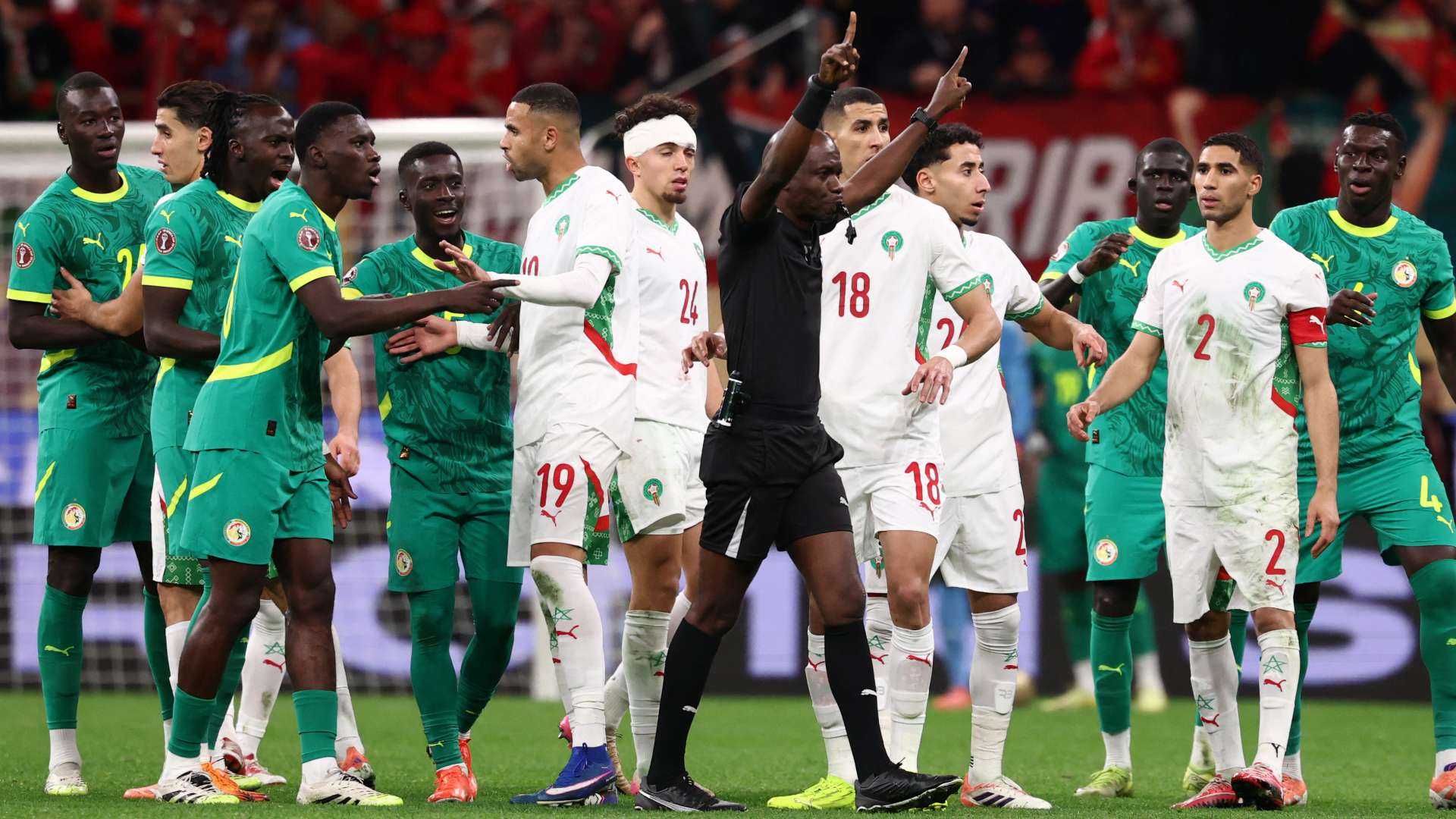
The pivotal moment arose when the referee awarded Morocco a penalty in the dying minutes of the match. The decision was met with immediate protests from Senegalese players, who briefly walked off the field in protest, halting the game temporarily. This incident, captured and analyzed extensively, has since become the core issue in the ongoing dispute over the legitimacy of the final result.
Many critics and supporters of Senegal argue that the penalty decision was unjustified and influenced the outcome of the match unfairly. The Senegalese side’s protest was a direct response to what they perceived as a flawed officiating decision, which they believe compromised the integrity of the game.
CAF’s Decision and Morocco’s Claim to the Title
Following the match, CAF’s disciplinary and appeals committees reviewed the incident. The appeals committee upheld Morocco’s appeal, ruling that the penalty awarded to Morocco was valid and that the final result should stand. As a consequence, the title was officially handed over to Morocco, and Senegal was stripped of their victory, igniting widespread controversy and accusations of bias and unfair play.
In the wake of this decision, Senegalese officials and fans expressed their discontent, asserting that the ruling was flawed and demanded a fair resolution through legal channels. The Senegalese Football Federation announced their intention to challenge the CAF decision by filing an appeal with the Court of Arbitration for Sport (CAS), a move that signals their determination to seek justice beyond African football’s governing bodies.
The Legal Battle: Senegal Files Appeal at CAS
According to reports from the Senegalese news outlet Senenews, CAS has scheduled its first hearing in the case for October 8. However, football enthusiasts and analysts should note that this hearing does not mark the conclusion of the dispute. Instead, it is merely the initiation of a complex legal process that involves multiple sessions, deliberations, and reviews before a final verdict can be issued.
The timing of this case adds an extra layer of intrigue. While many anticipated a swift resolution, the intricacies of international sports arbitration mean that the final decision could take several months. This prolonged legal process underscores the importance of due process in resolving football disputes that have far-reaching implications for the sport’s integrity and governance.
Potential Implications for African Football and Future Predictions
The ongoing controversy surrounding the 2025 AFCON final has significant implications for the future of football in Africa. It raises critical questions about officiating standards, the transparency of tournament decisions, and the role of legal institutions in resolving disputes. The case also highlights the importance of establishing clear protocols for handling contentious incidents during major tournaments.
From a predictive standpoint, the outcome of this legal battle could influence how future African tournaments are officiated and contested. If Senegal’s appeal succeeds, it might lead to a reassessment of refereeing standards and disciplinary procedures, fostering a more transparent and accountable system. Conversely, a ruling in favor of Morocco could reinforce the current decision, but it may also intensify calls for reforms within CAF to prevent similar disputes in the future.
The Broader Context: Football, Fair Play, and Justice
This dispute is more than just a legal case; it embodies the ongoing struggle for fairness and justice in African football. The continent has seen remarkable growth in the sport’s popularity, infrastructure, and talent development, making integrity and fairness increasingly vital for its continued progress.
Fans, players, and stakeholders are watching closely, hoping for a resolution that upholds the spirit of fair competition. The case also serves as a reminder that football, at its core, is about unity, passion, and respect for the rules. Ensuring that disputes are resolved through impartial mechanisms like CAS helps preserve the sport’s credibility and fosters trust among fans and nations alike.
Conclusion: A Pivotal Moment for African Football’s Future
The legal challenge initiated by Senegal over the disputed 2025 Africa Cup of Nations final marks a pivotal moment in African football history. As the case progresses through international arbitration, the football community waits with bated breath to see how justice will be served. Will the courts uphold fairness and integrity, or will the decision favor the current outcome?
Regardless of the final verdict, this controversy underscores the need for continued reforms in officiating, tournament management, and dispute resolution. For football fans and analysts alike, the case offers a valuable lesson: the pursuit of justice and transparency is essential to safeguarding the beautiful game’s future on the continent. Stay tuned as this compelling story develops, shaping the narrative of African football for years to come.