
Udinese Midfielder Jakub Piotrowski Faces Medical Challenge: Insights, Predictions, and Impact on Football
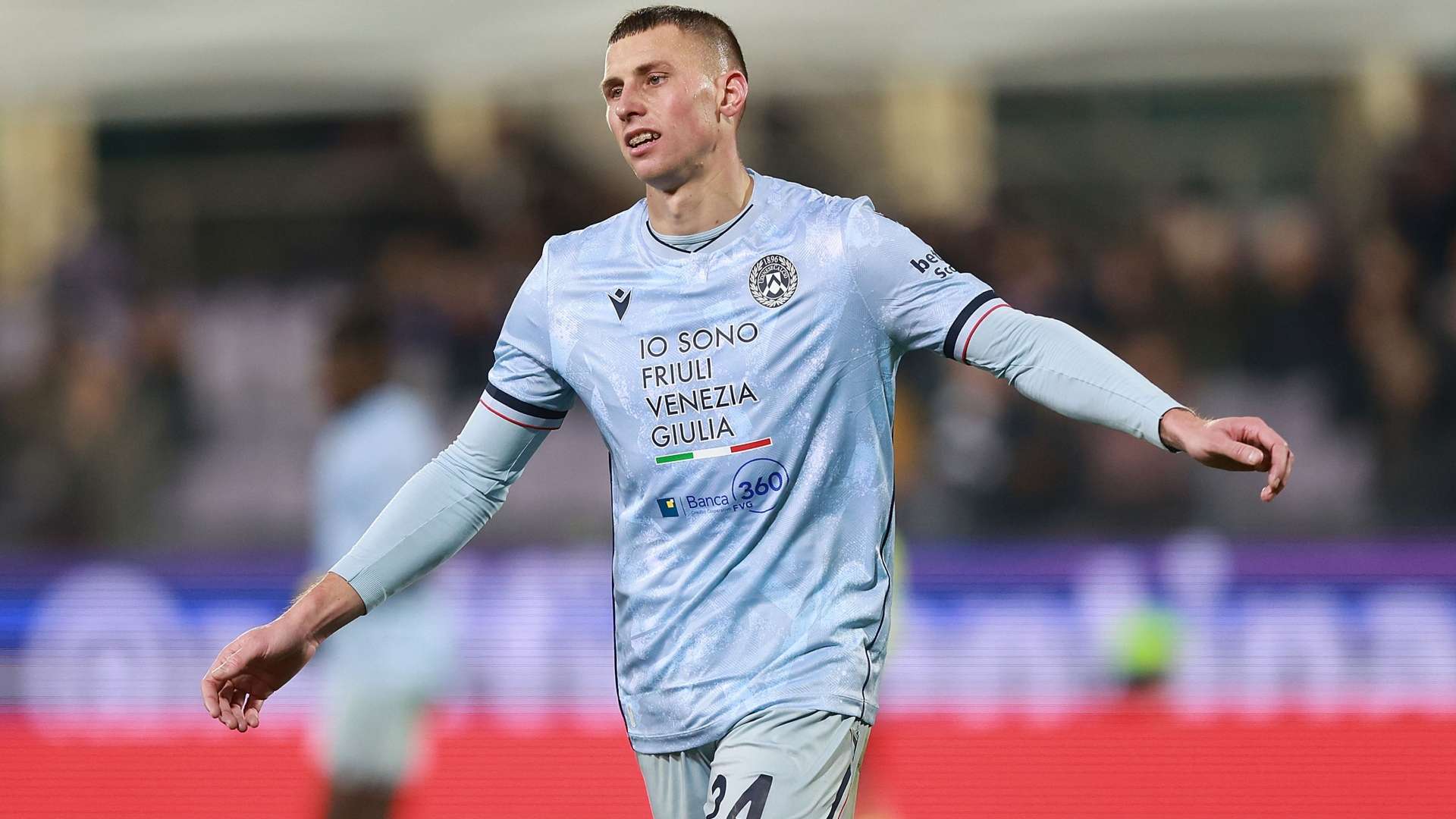
In a recent development that has sent ripples through the football community, Udinese’s talented midfielder Jakub Piotrowski has been diagnosed with a mild heart arrhythmia. This unexpected health concern has not only raised questions about his immediate future but also prompted discussions about the broader implications for team performance, player safety, and football predictions for upcoming matches. With Piotrowski set to undergo a cardiac ablation procedure, fans and analysts alike are keen to understand the situation, its impact on Udinese’s season, and what it means for football prediction models moving forward.
Understanding Jakub Piotrowski’s Health Issue
During a recent Serie A fixture against Lazio, Piotrowski exhibited symptoms that prompted further medical evaluation. The results revealed a benign, or mild, heart arrhythmia—a condition characterized by irregular heartbeats that, while often not immediately life-threatening, require careful management and monitoring. The diagnosis came as a surprise to many, given Piotrowski’s generally robust health and fitness levels.
Medical experts clarify that benign arrhythmias are quite common among athletes and often do not lead to serious complications. However, their presence necessitates precautionary measures to prevent potential risks, including sudden cardiac events that could be life-threatening. Consequently, the decision was made to proceed with a cardiac ablation—a minimally invasive procedure designed to correct abnormal electrical signals in the heart.
The Cardiac Ablation Procedure: What It Entails
The cardiac ablation process involves inserting catheters into the heart to destroy small areas of tissue that are causing irregular electrical signals. This procedure has become a standard treatment for various arrhythmias, boasting high success rates and relatively quick recovery times. For Piotrowski, this intervention is expected to be followed by a period of rest and gradual return to training, with medical professionals optimistic about his prospects for a full recovery.
Similarly, Napoli midfielder Scott McTominay is also scheduled to undergo a comparable procedure, highlighting the increasing recognition of heart health issues among top-tier footballers. These developments underscore the importance of rigorous medical screening and the evolving landscape of sports medicine in safeguarding athletes’ health while maintaining the high standards of professional football.
Impact on Udinese and the Serie A Prediction Landscape
Piotrowski’s absence is a significant blow to Udinese’s midfield stability. As a key player, his vision, passing accuracy, and work rate contribute profoundly to the team’s tactical setup. His temporary sidelining raises questions about how Udinese will adjust their formation and strategy in upcoming fixtures. Football prediction models often factor in player availability and team cohesion, and Piotrowski’s health status could influence forecasts for Udinese’s performance in the short term.
Moreover, the incident shines a spotlight on the importance of player health in shaping football predictions. As teams monitor their squad’s medical data more closely, bookmakers and analysts may adapt their models to account for potential absences due to health issues, especially in high-stakes fixtures. This evolving approach underlines a broader trend within football analytics—integrating medical insights to improve prediction accuracy and strategic planning.
Broader Context: Heart Health in Professional Football
While Piotrowski’s case is unique, it reflects a growing awareness of cardiac health among professional footballers. Over the past decade, high-profile cases such as Fabrice Muamba’s cardiac arrest in 2012 and Christian Eriksen’s on-field collapse in 2021 have prompted the sport’s governing bodies to implement rigorous screening protocols. These initiatives aim to detect underlying heart conditions early, ensuring players’ safety and longevity in the game.
Advancements in sports cardiology now enable early diagnosis and management of potential issues, often allowing athletes to return to play safely after appropriate treatment. However, the decision to undergo procedures like ablation underscores the delicate balance between maintaining peak physical performance and prioritizing health security.
Implications for Fans, Coaches, and Football Prediction Enthusiasts
For fans and pundits, Piotrowski’s health update serves as a reminder of the physical toll that professional football can take on athletes. It also emphasizes the importance of medical vigilance and the role of medical teams in ensuring player welfare. For those involved in football prediction, such developments introduce new variables—player fitness and health status—that can influence the outcomes of matches and tournaments.
In terms of betting odds and prediction models, the absence of key midfielders like Piotrowski can shift team dynamics significantly. Analysts often incorporate injury reports to refine their forecasts, recognizing that player availability is a critical factor in match outcomes. This incident may also lead to more sophisticated models that weigh medical and health data alongside traditional performance metrics.
Looking Ahead: What This Means for Football and Player Safety
As Piotrowski embarks on his recovery journey, the football community remains hopeful for his swift return. His case is a testament to the importance of proactive health management and the advancements in sports medicine that help athletes continue competing at the highest levels. It also underscores a broader shift towards prioritizing long-term health over short-term performance gains.
For football clubs, this situation highlights the need to maintain comprehensive health protocols and foster a culture that encourages players to prioritize their well-being. The ongoing dialogue about player health and safety is likely to influence future policies, potentially leading to increased medical screenings and preventive measures across leagues worldwide.
Final Thoughts: The Intersection of Football, Prediction, and Player Welfare
In conclusion, Jakub Piotrowski’s health scare and subsequent planned ablation procedure serve as a crucial reminder of the unpredictability inherent in football. While predictions can offer insights and forecasts, they must adapt to the realities of player health and unforeseen circumstances. The integration of medical data into prediction models is an exciting frontier that promises more accurate forecasting and better strategic decisions.
As the football world continues to evolve, the focus on player safety, technological advancements, and predictive analytics will shape the future of the sport. Fans, analysts, and teams alike will be watching closely, hoping for Piotrowski’s full recovery and return to the pitch—reminding us all that at the heart of football is the passion for the game and the well-being of its players.