
Football Predictions and the Controversy Surrounding the Ballon d’Or: A Deep Dive into the Debate
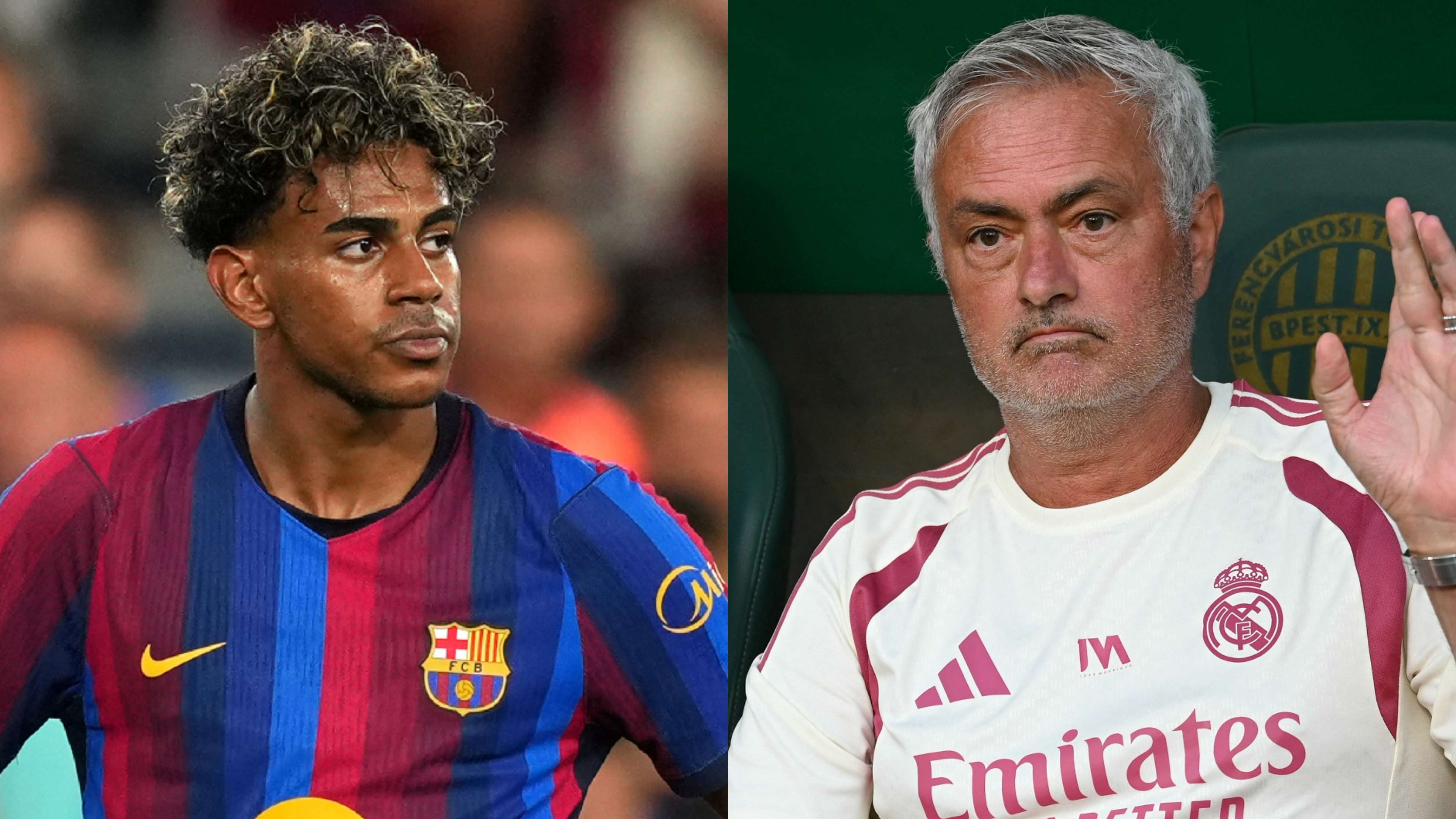
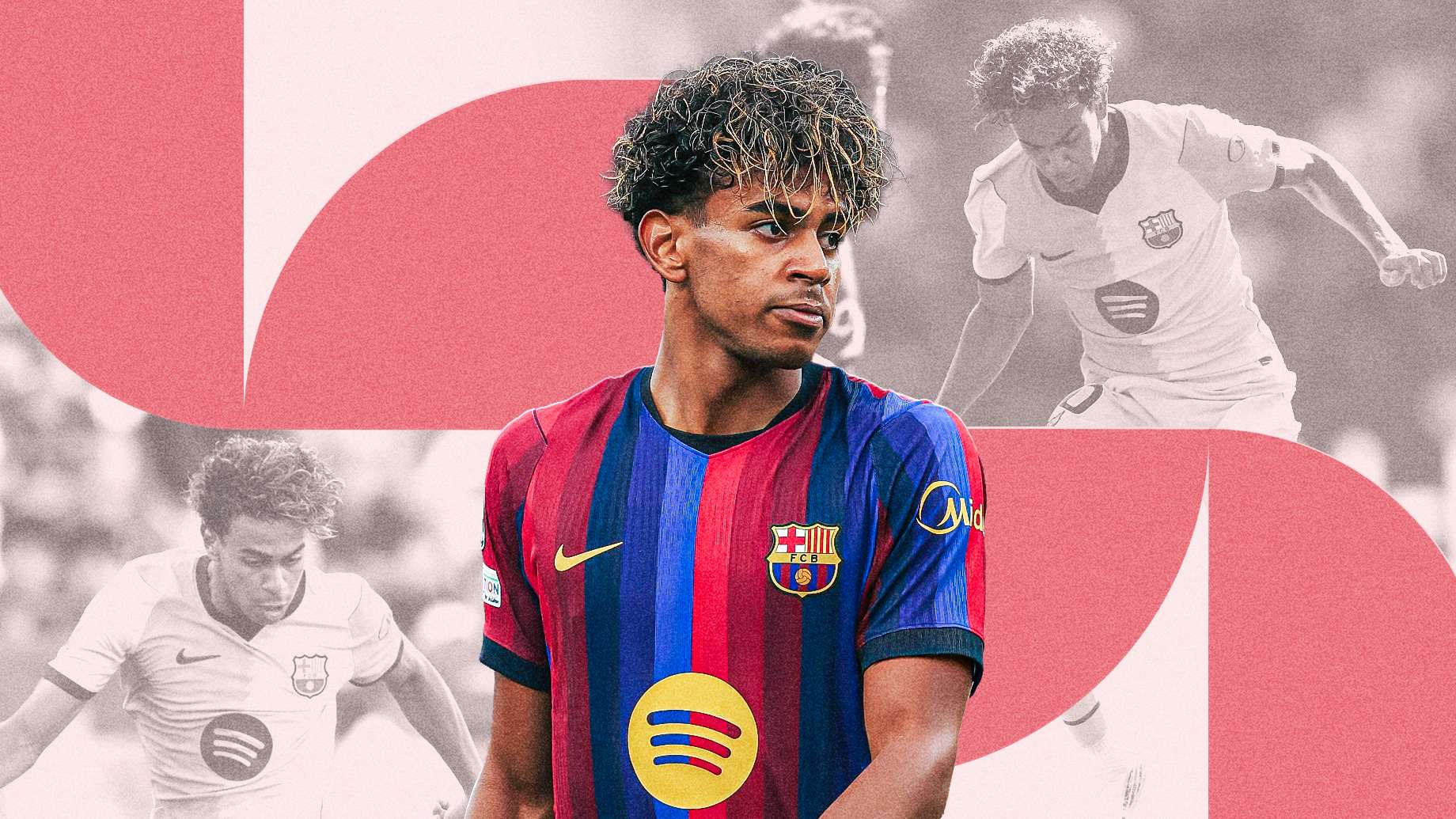
In the ever-evolving world of football, few topics ignite as much passionate debate as the criteria used to determine the sport’s most prestigious individual awards. Recently, a thought-provoking statement by young Barcelona star Lamine Yamal has reignited this ongoing discussion, challenging conventional notions about what truly defines the “best player in the world.” This controversy emerged just before the announcement of the highly anticipated Ballon d’Or winner, adding an extra layer of intrigue for football fans and analysts alike.
The Central Question: What Should the Ballon d’Or Celebrate?
Traditionally, the Ballon d’Or is awarded annually to the player deemed to have performed the best over the course of a calendar year. Historically, this has often translated into recognizing players with impressive goal tallies, individual brilliance, and significant contributions to their teams’ successes. However, critics argue that such an approach can sometimes overshadow other vital aspects of football, such as consistency, overall impact, leadership qualities, and team achievements.
In this context, Lamine Yamal’s recent comments have struck a chord. Speaking candidly on the Spanish sports channel “Movistar Plus,” the young winger expressed concern that an overemphasis on goals and titles may distort the true purpose of the award. He emphasized that the Ballon d’Or should predominantly honor individual excellence, rather than simply reflecting team success or goal-scoring records.
Yamal’s Perspective: Quality Over Quantity
Yamal argued that winning the Champions League or amassing an impressive goal count shouldn’t automatically guarantee a player the accolade. Instead, he advocates for a nuanced approach that considers a player’s overall influence on the pitch, technical skills, tactical intelligence, and consistency throughout the season. His stance underscores a broader movement within football circles that seeks to recalibrate how individual awards are judged, favoring holistic assessments over raw statistics.
“Winning the Champions League makes a team the best,” Yamal said, “but the Ballon d’Or should go to the best individual player, not necessarily the one who scores 80 goals. The top scorer gets their own award, after all.” This distinction highlights an important debate about whether goal-scoring alone should be the defining criterion for the sport’s most coveted individual honor.
The Goals vs. Impact Debate: Insights from Kylian Mbappé
Yamal’s viewpoints are not isolated; they echo sentiments expressed by other top-tier footballers, notably Kylian Mbappé. The French superstar has often emphasized the importance of goals and statistical achievements in his candid assessments of the game. Recently, Mbappé claimed, “I am the best in the world, and I score more than Raphinha and Dembélé,” underscoring his belief that individual goal-scoring prowess should play a central role in determining football’s elite.
While Mbappé’s confidence is well-known, his focus on numbers raises questions about whether purely statistical metrics are sufficient to crown the best player. Critics argue that this approach can sometimes overshadow intangible qualities such as leadership, versatility, and influence on team dynamics—elements that are harder to quantify but equally vital to understanding a player’s true worth.
The Evolution of Football Predictions: Beyond Goals
As fans and experts ponder the criteria for football predictions and awards, there’s an increasing call to adopt a more comprehensive framework. Modern football predictions models now attempt to incorporate multiple variables, including expected goals (xG), assist contributions, defensive actions, and even off-the-ball movement. These advanced analytics aim to provide a more balanced view of a player’s overall impact rather than relying solely on goal tallies or trophy counts.
In this context, the debate about the Ballon d’Or becomes even more relevant. Should the award favor the most prolific goal scorer, or should it recognize players who influence the game in more subtle yet significant ways? Many argue for a hybrid approach, combining statistical analysis with subjective assessments of a player’s influence, leadership qualities, and consistency across competitions.
The Role of Team Success in Individual Awards
Historically, team achievements such as winning the Champions League, league titles, or international tournaments have heavily influenced individual awards. However, critics contend that this creates a paradox where players on successful teams are more likely to be rewarded, regardless of individual performance levels. Yamal’s comments challenge this notion, advocating for a clear distinction between team success and individual excellence.
Despite this, some argue that football is inherently a team sport, and individual awards should reflect a player’s contribution to collective success. The debate continues, with experts weighing the importance of individual brilliance against the backdrop of team achievements. The upcoming Ballon d’Or ceremony is expected to be a battleground of opinions, with pundits predicting a tight race between goal-scoring machines and all-round midfield maestros.
Predictions for the Upcoming Football Awards Season
As the football season progresses, predictions about who will take home the next Ballon d’Or are intensifying. Leading contenders often include players who have demonstrated both exceptional individual skills and pivotal roles in their teams’ successes. For instance, players like Erling Haaland and Kylian Mbappé are frequently mentioned due to their prolific goal-scoring records and influence on matches.
However, emerging talents like Lamine Yamal himself are also entering the conversation, representing the new generation of football prediction analysts who prioritize holistic player evaluation. Their approach considers not just goals but also assists, defensive contributions, tactical intelligence, and leadership qualities. Such comprehensive prediction models aim to forecast not only who is likely to win individual awards but also to identify the most promising talents for the future of football.
Conclusion: Reimagining the Criteria for Football Excellence
The ongoing debate sparked by Lamine Yamal’s candid comments underscores a fundamental question within the football community: What truly defines the best player in the world? Is it the sheer number of goals scored, the ability to lead a team to victory, or a combination of both? As the sport continues to evolve, so too must our criteria for excellence and the methods used to predict and recognize it.
For fans and analysts eager to understand the future of football predictions and awards, this debate signals a shift towards more nuanced and sophisticated evaluation metrics. Ultimately, the goal is to celebrate players who embody the beautiful game’s spirit—those who excel individually while elevating their teams and inspiring fans worldwide.
As the next Ballon d’Or approaches, all eyes will be on the candidates, scrutinizing not just their statistics but their overall impact on the sport. Whether the award goes to the prolific goal scorer or the player with unmatched influence remains to be seen. One thing is certain: the conversation about what makes a footballer the best in the world will continue to inspire debate for years to come.