
Manchester United Supporters’ Club Calls for Ownership Change Amid Controversy and Growing Discontent
In a striking development within the world of football, the Manchester United Muslim Supporters’ Club (MUMSC) has issued a powerful and unequivocal demand for a complete overhaul of the club’s ownership structure. The supporters’ group, known for representing a diverse and passionate segment of the Red Devils’ global fanbase, has publicly called for the Glazer family and Sir Jim Ratcliffe to relinquish their control of Old Trafford. This bold stance comes amid ongoing frustrations over club management, recent controversial remarks by Ratcliffe, and broader concerns about the direction of one of football’s most storied institutions.
The Background: Discontent with Manchester United’s Ownership
Manchester United, a club with a rich history dating back to its founding in 1878, has long been considered one of the most iconic and successful teams in football. However, in recent years, a growing wave of dissatisfaction has swept through its fanbase, fueled by issues related to ownership, financial management, and competitive performance.
The Glazer family, who acquired the club in 2005 through a highly leveraged buyout, have been a central figure in this unrest. Critics argue that their ownership has prioritized financial profits over sporting success, leading to mounting debts, limited investment in squad development, and a perceived disconnect from the club’s traditional values. The fans’ frustration reached a boiling point during protests and campaigns demanding better transparency, more investment, and ultimately, a change in ownership.
The Rise of Sir Jim Ratcliffe and Recent Controversies
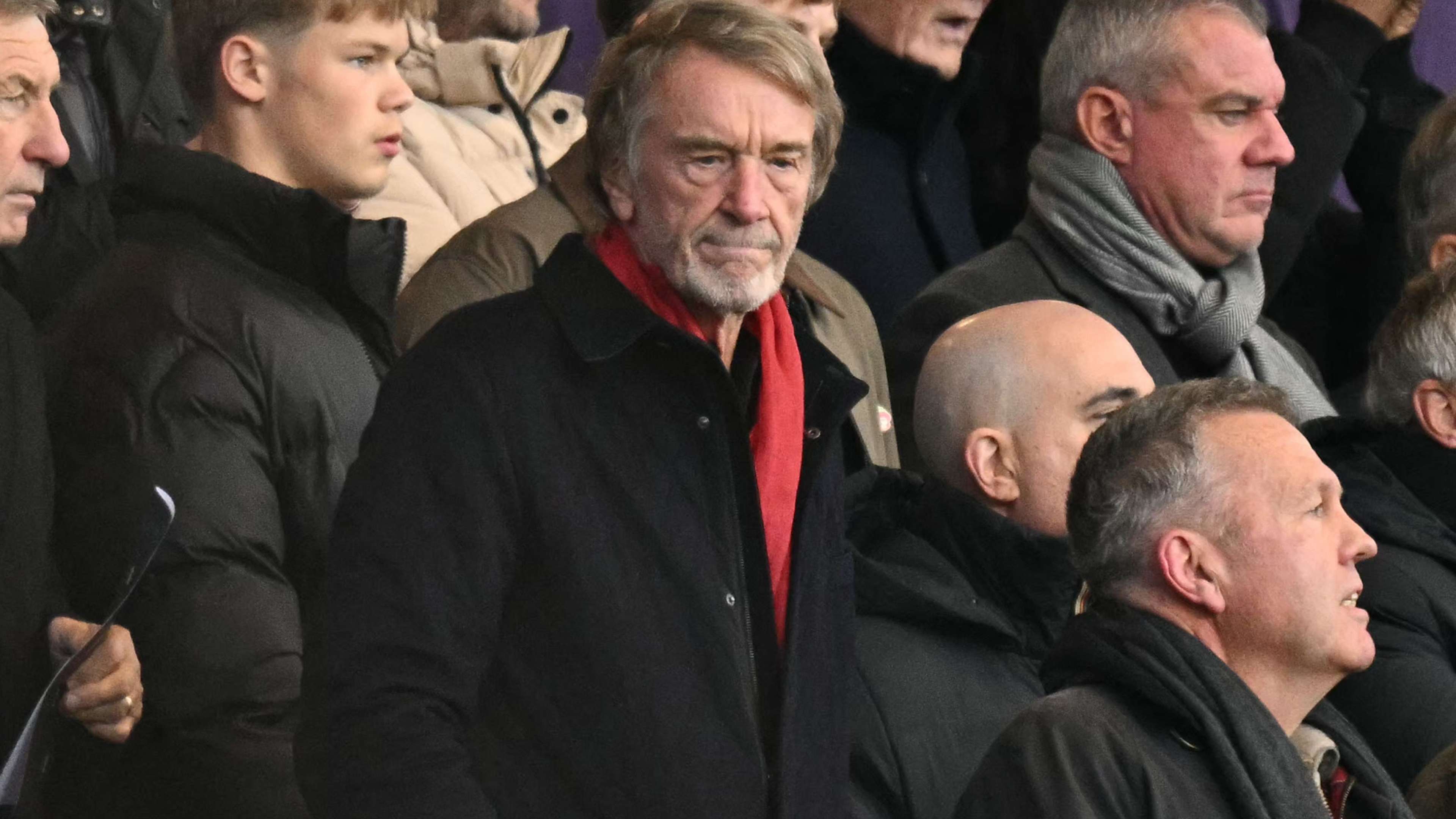
Amidst ongoing debates about the club’s future, British billionaire Sir Jim Ratcliffe emerged as a potential new owner, expressing interest in acquiring a significant stake or full control of Manchester United. Ratcliffe, the CEO of INEOS, has a reputation as a successful businessman and an avid football supporter, but recent comments have cast a shadow over his bid.
In a recent interview, Ratcliffe made inflammatory remarks regarding immigration policies, stirring controversy and sparking criticism from various quarters. The remarks were perceived as insensitive and out of step with the diverse and inclusive ethos that Manchester United prides itself on. This has led to intensified scrutiny of his potential ownership, with some fans questioning whether he aligns with the club’s values and community spirit.
The Muslim Supporters’ Club’s Firm Stand
In light of these developments, the Manchester United Muslim Supporters’ Club (MUMSC) has taken a firm stance. The organization issued a statement condemning Ratcliffe’s comments and insisting that the club’s ownership should reflect the values of unity, inclusion, and respect.
“We believe that football is a unifying force that transcends race, religion, and nationality,” the statement read. “Any individual or entity seeking to own this historic club must uphold these principles, and their actions off the pitch should align with the club’s commitment to diversity and community engagement.”
The supporters’ group went further, demanding a comprehensive change in ownership. They called for the Glazer family to sell their shares and for Sir Jim Ratcliffe to step back from any takeover plans, citing concerns over divisive rhetoric and the potential impact on the club’s reputation and identity.
Implications for Football and Ownership Predictions
The call for a change in ownership at Manchester United has broader implications within the football community. The debate over club ownership models—whether by wealthy individuals, consortiums, or fan-led initiatives—continues to dominate headlines and influence predictions about the sport’s future.
Many football experts and analysts speculate that this growing dissatisfaction could catalyze a shift towards more fan-centric ownership models, emphasizing transparency, community involvement, and sustainable investment. The Manchester United case underscores the importance of leadership that aligns with the club’s values and the expectations of its global supporters.
From a prediction standpoint, the ongoing controversy makes the future ownership landscape of Manchester United uncertain. While the Glazer family remains entrenched, pressure from organized supporters’ groups and public opinion could accelerate negotiations or even spark a complete change in ownership structure. Some predictions suggest a potential sale to a consortium committed to restoring the club’s legacy and fostering a positive environment both on and off the pitch.
The Broader Context: Fan Power and Football Governance
This situation at Manchester United highlights a broader trend in football: fans are increasingly vocal and influential in shaping the governance and direction of their clubs. Supporters’ groups, like MUMSC, are leveraging social media and organized protests to demand accountability and ethical leadership.
The recent controversy surrounding Ratcliffe’s remarks also raises questions about the responsibilities of prospective owners to uphold inclusive values. As football continues to grow commercially, balancing financial interests with cultural and community considerations remains a critical challenge for club owners worldwide.
Looking Ahead: What’s Next for Manchester United?
As the club navigates this complex landscape, the future of Manchester United’s ownership remains uncertain. The supporters’ call for change reflects a wider desire for a leadership that embodies the club’s historic values of unity, excellence, and community engagement.
Football prediction models suggest that, should pressure mount and negotiations intensify, we might see a significant shift in ownership structure within the next few years. Whether this results in a new era of fan-led ownership, a sale to a different billionaire, or a consortium of stakeholders, remains to be seen.
Meanwhile, the club’s management will need to address the growing discontent and restore faith among its supporters. This includes not only resolving ownership issues but also investing strategically in team development, fostering a positive club culture, and ensuring that the club’s actions reflect its values.
Conclusion: A Pivotal Moment for Manchester United and Football
The call from the Manchester United Muslim Supporters’ Club for a complete change of ownership marks a pivotal moment in the club’s history. It underscores the importance of leadership that aligns with the core principles of respect, inclusion, and community—values that are central to the beautiful game of football.
As fans, analysts, and stakeholders closely watch the unfolding developments, one thing remains clear: the future of Manchester United depends not only on strategic decisions but also on the club’s ability to unite its diverse fanbase behind a common vision for success both on and off the pitch. The ongoing prediction and speculation about ownership changes reflect a broader desire for a football club that truly embodies its heritage and values in today’s complex world.