
Chess Community Mourns and Mobilizes After Nigerian-Born Master Detained by ICE
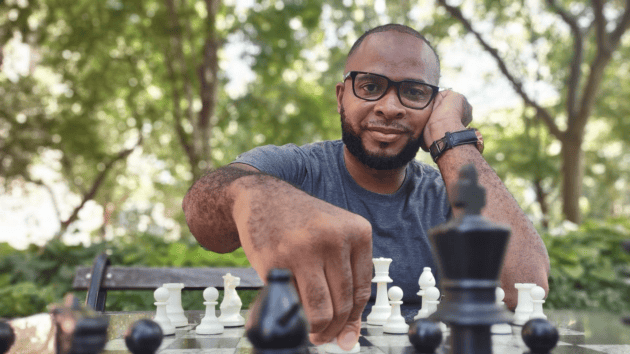
The world of chess, especially the vibrant community surrounding Washington Square Park in New York City, is currently grappling with a moment of concern and solidarity. Chichi Onyekwere, a highly skilled and well-loved figure in the local chess scene, was unexpectedly detained by U.S. Immigration and Customs Enforcement (ICE) on August 25, 2024. As a talented player known for his resilience and deep love for the game of chess, his detention has sparked widespread attention, raising questions about immigration policies, community support, and the transformative power of chess as more than just a game.
Who Is Chichi Onyekwere? A Life Intertwined with Chess and Challenges
Born in Nigeria, Chichi Onyekwere, whose full name is Chikwere Onyekwere, has long been recognized within the chess community for his exceptional talent and charismatic presence. At just 20 years old, he made history by becoming the youngest player to win Nigeria’s national chess championship—a remarkable achievement that signaled his potential to reach the highest echelons of the game. Currently aged 41, he stands in the 99th percentile of US Chess-rated players, a testament to his ongoing dedication and skill.
A Legend in Washington Square Park
Washington Square Park has a storied history as a hub for chess enthusiasts, immortalized in the classic film Searching for Bobby Fischer. For years, Onyekwere has been a fixture there—playing, teaching, and inspiring a new generation of players. His Instagram and social media channels showcase a series of engaging videos capturing his intense battles and strategic finesse on the board. Beyond playing for stakes, he dedicated himself to mentoring others, sharing his expertise, and fostering a vibrant community centered around the game of chess.
Impressive Chess Milestones
With a FIDE rating of 2104 and a US Chess rating of 2211, Onyekwere has demonstrated consistent progress and resilience. His recent notable victory was a stunning upset against a grandmaster at the 2023 North American Open in Las Vegas. He also claimed a win against French Grandmaster (GM) in the park, further illustrating his competitive spirit. Despite these accomplishments, his journey has been marred by personal and legal struggles, including a past stint in incarceration and ongoing immigration issues.
From Nigeria to the United States: A Promising Career and Troubling Past
Onyekwere’s early chess career was marked by extraordinary promise. His sister, Mary Onyekwere Fawaz, shared with Chess.com that he learned to play chess from his late father, High Chief Godwin Ukandu Onyekwere. The father’s support enabled him to participate in international competitions such as the 2001 World Youth Chess Championship in Spain and the 2002 World Chess Olympiad in Slovenia, where he represented Nigeria as a 17-year-old. By 2004, he had already secured multiple U-14 national titles and was crowned Nigeria’s Junior Chess Champion.
Academic and Personal Journey
Chichi studied civil engineering at the University of Port Harcourt but left midway through his studies to pursue his dreams in the United States. He initially moved to Minnesota and Texas before settling in New York in 2005. Despite his talent, he faced obstacles—most notably the lack of a dedicated coach, which he believes hindered his path toward earning the grandmaster title. His frustration led him to pause his chess pursuits at times, but his love for the game persisted.
Legal Troubles and Controversy
In 2014, Onyekwere’s life took a tumultuous turn when he and his sister Uchechi were charged with involvement in a $13 million healthcare fraud scheme targeting Healthfirst, a Brooklyn-based nonprofit. The siblings owned a medical equipment company that submitted fraudulent claims, a scandal that resulted in significant legal consequences. Uchechi received a sentence of 21 months and three years of supervised release, while Chichi spent approximately three years in jail from 2014 to 2017.
Immigration and Deportation Battles
Following his incarceration, Onyekwere faced complex immigration issues. Although he held a green card, he was pressured in 2017 to sign documents that led to his deportation back to Nigeria. His attempts to seek asylum in 2020 after being detained at the Mexico border were unsuccessful; however, he was granted a Temporary Protective Status (CAT Deferral) in 2024, which temporarily prevents his deportation to Nigeria due to fears of torture. This status has allowed him to continue living and working in the U.S., yet his legal situation remains precarious.
Detention and Community Response
For the past two years, Onyekwere has been a familiar face in Washington Square Park, not only as a player but as a coach and community mentor. His regular appearances and positive attitude made him a beloved figure among local players and tourists alike. His periodic reporting to ICE, mandated under his deferred removal status, was routine until his recent detention in August 2024. According to Onyekwere, the detention was sudden and without clear explanation—he was moved from New York to New Jersey, then flown to Texas without prior notice.
The Significance of Chess in His Life
Despite the hardships, Onyekwere remains resilient. During his detention, he shared with Chess.com that he managed to play a blindfold game—an impressive feat that demonstrates his enduring skill and mental toughness. He emphasizes that chess is more than a pastime; it’s a tool for maintaining calm, mental clarity, and even helping others. “I am using the power of chess to stay calm and help others,” he stated, underscoring the game’s role in his life as a source of hope and resilience amidst adversity.
Community Support and Future Aspirations
The local chess community and supporters have rallied behind Onyekwere, raising awareness and seeking legal assistance. Chess enthusiasts, content creators, and former colleagues have organized fundraisers and advocacy efforts to ensure he receives proper legal representation. Notably, Peter Kozikowski and Anthony Kozikowski, prominent figures in urban chess education, have spearheaded efforts to secure his release and legal counsel.
Onyekwere’s sister, Ms. Fawaz, expressed her heartbreak over his plight, emphasizing his potential and the bright future he once envisioned. She remarked, “His entering the U.S. was a result of how bright he was. He had dreams, a future, and focus. It’s so painful to see him in this situation again.”
His Dreams and Hopes
Looking forward, Onyekwere remains hopeful. He expressed a desire to return to tournament play once he regains his freedom, aiming to climb the ranks toward earning the grandmaster title—a lifelong dream. His passion for chess continues to serve as a beacon of hope, inspiring those around him to persevere regardless of life’s obstacles.
The Power of Chess Beyond the Board
Onyekwere’s story highlights how chess transcends the game itself—it’s a symbol of resilience, community, and ambition. His journey reflects the broader challenges faced by many immigrant players who seek opportunities in the U.S., often hindered by systemic barriers. Yet, his unwavering dedication to chess exemplifies how the game can serve as an anchor amid chaos, a means to foster connection, and a pathway to personal redemption.
What Can Be Done?
As the community advocates for Onyekwere’s release, many are calling for increased awareness about the intersection of immigration policies and talented individuals who contribute positively to society through activities like chess. Supporters emphasize that justice should encompass compassion and fairness, recognizing the profound impact that dedicated players like Onyekwere have on local and global chess communities.
Conclusion: A Call for Support and Justice
Chichi Onyekwere’s story is a poignant reminder of the human side of chess—how a game can be a lifeline, a passion, and a symbol of hope. His detention has ignited a wave of support from players, community leaders, and advocates determined to see him free and able to continue sharing his love for chess. As he navigates this challenging chapter, the community’s collective voice underscores the importance of compassion, justice, and recognizing the potential within every player, regardless of circumstances.
In the words of Onyekwere himself, “I still have hopes of climbing to the grandmaster title,” a testament to his enduring spirit and the transformative power of chess. Let’s rally around him, ensuring that his story continues not as a tale of loss, but one of resilience and hope.