
Rodrygo Faces Season-Ending Injury After Managing Partial ACL Tear for Three Years
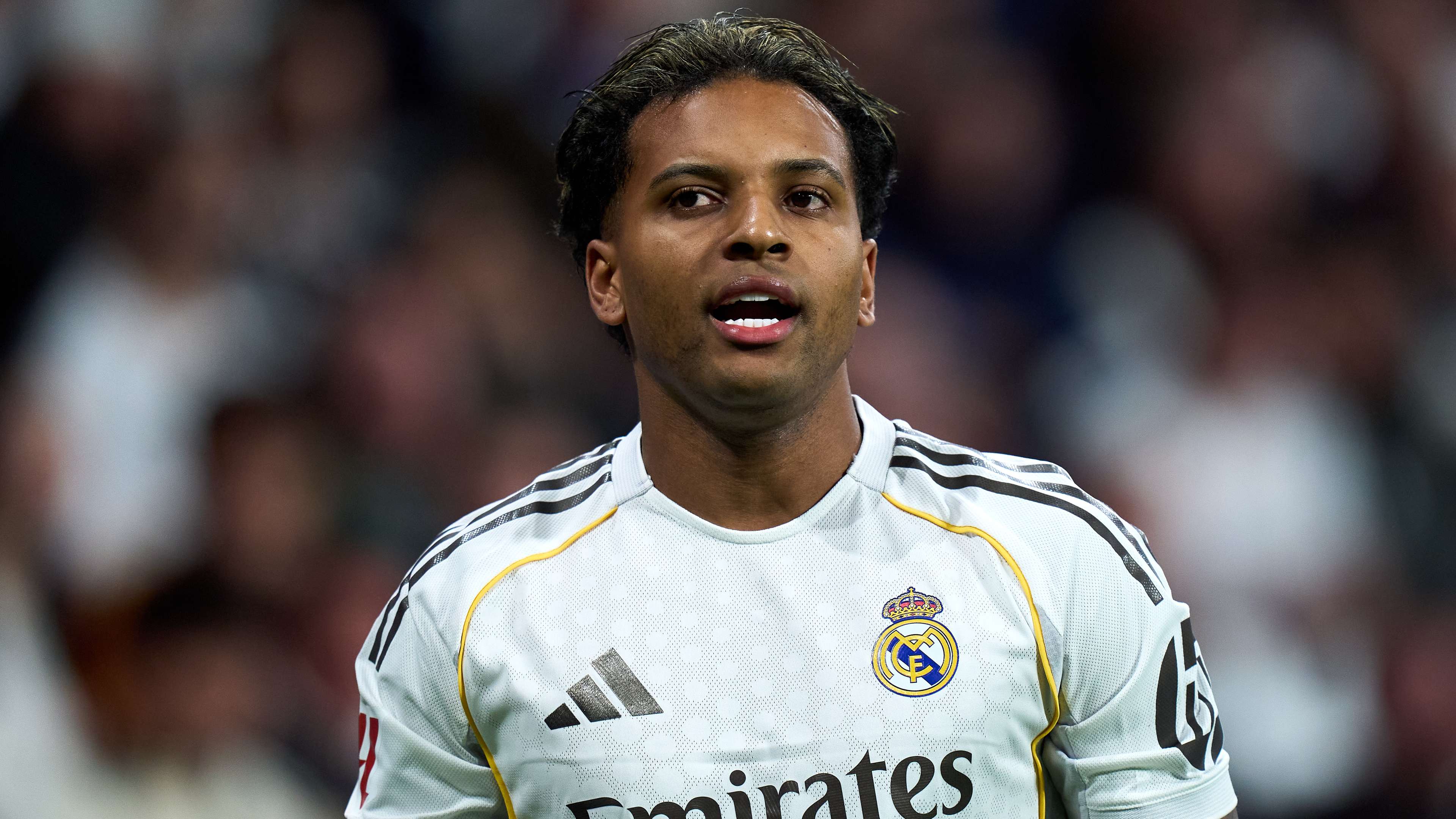
In a devastating blow to Real Madrid, Brazilian forward Rodrygo sustained a season-ending knee rupture during their recent La Liga match against Getafe. However, reports have surfaced revealing that the twenty-five-year-old had been quietly managing a partial ACL tear without surgery for nearly three years.
Despite the injury, Rodrygo opted for conservative treatments to prevent surgery and maintain his availability for both his club and the Brazilian national team. However, the decision to forego surgery has now led to a painful setback that will require a lengthy rehabilitation process.
Managing a Lingering Injury
Rodrygo’s decision to manage a partial ACL tear without surgery for such a long period is a testament to his dedication to the sport. Despite the risk of further injury, he chose to prioritize his playing career and put off the inevitable surgery in order to continue competing at the highest level.
Throughout the past three years, Rodrygo underwent various preventative treatments and therapies to strengthen the knee and minimize the risk of aggravating the injury. However, the wear and tear of professional football eventually caught up with him, resulting in the season-ending rupture that will now require surgical intervention.
A Painful Setback
The news of Rodrygo’s season-ending injury has sent shockwaves through the football world, as fans and pundits alike lament the loss of one of Real Madrid’s key attacking talents. His absence will undoubtedly be felt by the team as they strive for success in both domestic and international competitions.
For Rodrygo himself, the road to recovery will be a challenging one, as he faces a grueling rehabilitation process to regain full strength and mobility in his injured knee. The Brazilian forward will need to undergo surgery to repair the ruptured ACL, followed by months of intensive physical therapy to rebuild the muscles and ligaments in his knee.
Looking Ahead
Despite the setback, Rodrygo remains optimistic about his future in football and is determined to make a full recovery and return to the pitch stronger than ever. His resilience and commitment to his craft have been evident throughout his career, and he is expected to approach his rehabilitation with the same level of determination and focus.
While the road to recovery may be long and arduous, Rodrygo’s supporters remain hopeful that he will make a successful comeback and continue to dazzle fans with his skill and creativity on the field. As he embarks on this new chapter in his career, the football world will be watching eagerly to see the Brazilian star rise once again.
Overall, Rodrygo’s season-ending injury serves as a stark reminder of the physical toll that professional football can take on players, even those as young and talented as the Brazilian forward. It underscores the importance of proper injury management and rehabilitation in ensuring the longevity and success of athletes in the sport.
The Importance of Injury Prevention and Management in Football
Rodrygo’s case sheds light on the critical role of injury prevention and management in the world of football. While injuries are an inevitable part of any sport, the way they are handled can have a significant impact on a player’s career trajectory. In Rodrygo’s case, the decision to delay surgery in favor of conservative treatments ultimately led to a more severe injury that will now require extensive rehabilitation.
Football is a physically demanding sport that puts immense strain on the players’ bodies, leading to a higher risk of injuries, especially in the lower extremities like the knees and ankles. It is crucial for players, coaches, and medical staff to prioritize injury prevention strategies, such as proper warm-ups, conditioning, and rest, to minimize the likelihood of serious injuries like ACL tears.
The Mental Toll of Suffering a Season-Ending Injury
Aside from the physical challenges of recovering from a season-ending injury, there is also a significant mental toll that players must endure. Being sidelined for an extended period can take a toll on their mental health, as they grapple with the frustration of not being able to compete, the fear of re-injury, and the uncertainty of when they will be able to return to the field.
In Rodrygo’s case, the young forward will need to rely on his mental resilience and support system to navigate the challenges of rehabilitation and come back stronger. The mental aspect of recovery is often overlooked but plays a crucial role in determining a player’s ability to bounce back from a serious injury.
The Support System Around Injured Players
When a player like Rodrygo suffers a season-ending injury, the support system around them becomes crucial in facilitating their recovery process. From medical staff to coaches, teammates, and family members, everyone plays a role in providing emotional support, encouragement, and guidance to help the player through the arduous journey of rehabilitation.
In Real Madrid’s case, the club will need to ensure that Rodrygo receives the best possible care and support during his recovery period. This includes access to top medical professionals, tailored rehabilitation programs, and a supportive team environment that fosters his physical and mental well-being.
Rodrygo’s Comeback Story
As Rodrygo embarks on his road to recovery, his comeback story will be closely followed by football fans around the world. The young Brazilian has already shown immense talent and potential on the field, and his return from injury will be a testament to his resilience and determination.
While the road ahead may be challenging, Rodrygo’s supporters remain hopeful that he will make a triumphant comeback and continue to shine on the football pitch. His journey back to full fitness will be a test of his character and willpower, but with the right support and mindset, he has the potential to overcome this setback and emerge even stronger.
Ultimately, Rodrygo’s season-ending injury serves as a reminder of the fragility of a footballer’s career and the importance of proper injury management. It highlights the need for players to prioritize their long-term health and well-being, even in the face of immediate challenges, in order to sustain a successful and fulfilling career in the sport.