
Chelsea Manager Calls for Improvement in Disciplinary Standards
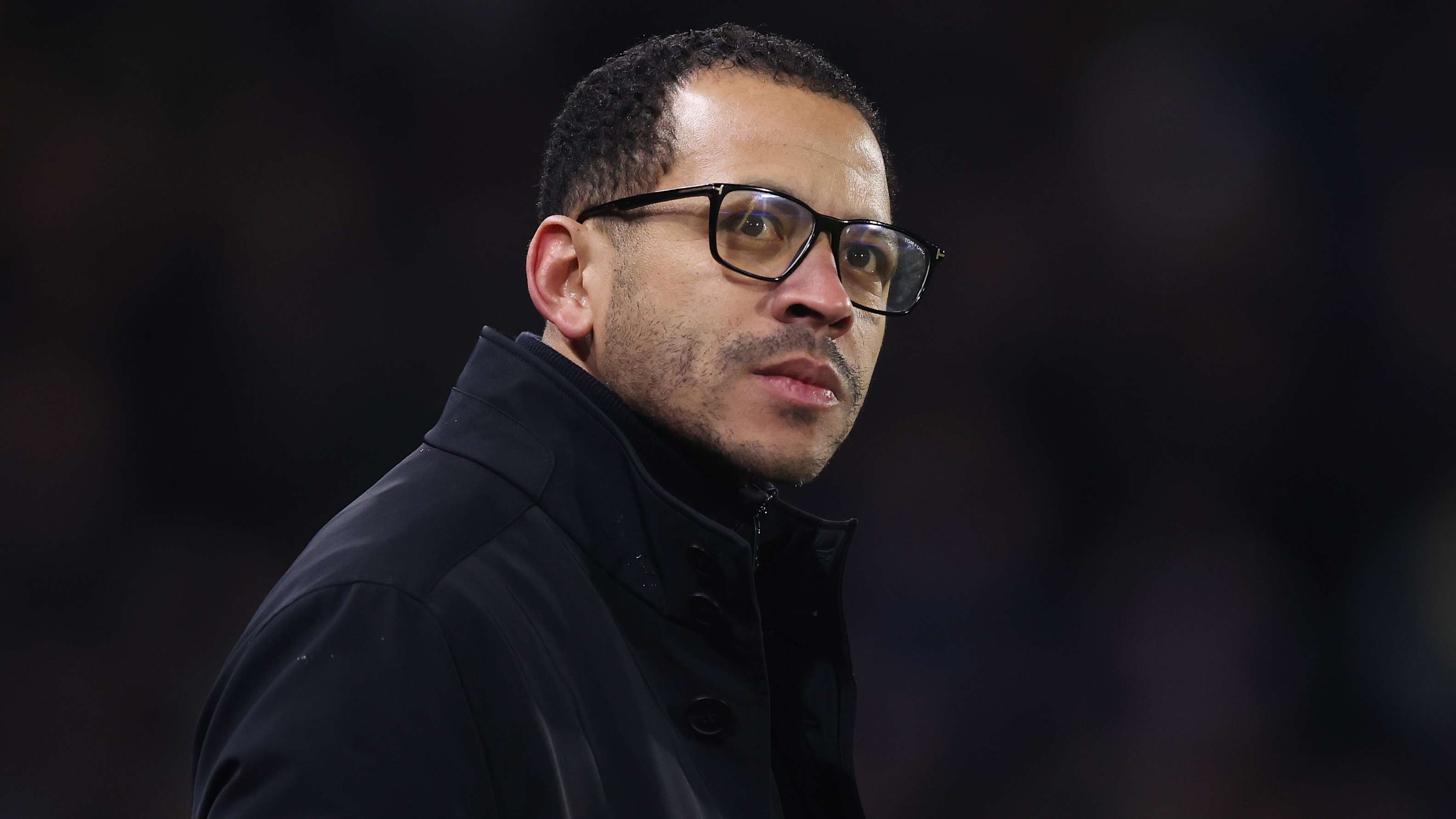
In a post-match interview following Chelsea’s 2-1 defeat to Arsenal on Sunday, Chelsea manager Liam Rosenior did not shy away from addressing the club’s ongoing issues with disciplinary standards. The match at the Emirates Stadium saw the Blues suffer a setback when Pedro Neto was given a red card in the 70th minute, effectively diminishing any chances of a comeback for the team.
This red card marked the ninth dismissal for Chelsea across all competitions this season, including one for former head coach Enzo Maresca. Rosenior expressed his concern over this troubling trend and emphasized the importance of putting an end to it in order for the team to progress.
Rosenior’s Assessment
Rosenior’s assessment of Chelsea’s disciplinary problems was blunt and to the point. He highlighted the negative impact that repeated red cards have had on the team’s performance and results. The manager stressed the need for players to exercise better judgment on the field and avoid situations that could lead to dismissals.
Speaking to reporters, Rosenior stated, “We cannot continue to shoot ourselves in the foot with these disciplinary issues. It is unacceptable and hinders our ability to compete effectively in matches. We need to address this problem immediately if we are to achieve our goals for the season.”
Looking Ahead
As Chelsea prepares for upcoming matches, Rosenior has made it clear that improvements in discipline are non-negotiable. The manager plans to work closely with the players to address the root causes of these disciplinary lapses and implement strategies to prevent them from occurring in the future.
Chelsea fans have expressed their frustration with the team’s inability to maintain composure on the field, particularly during crucial moments in matches. Many supporters have called for stricter consequences for players who consistently violate disciplinary rules, in order to instill a culture of accountability within the squad.
Predictions for Future Matches
With Chelsea set to face tough opponents in the coming weeks, including key fixtures in the Premier League and Champions League, the team’s disciplinary woes could prove to be a significant obstacle. Football analysts and pundits have raised concerns about the impact of these red cards on Chelsea’s chances of success in important competitions.
Despite these challenges, Rosenior remains optimistic about Chelsea’s potential to turn things around. The manager is confident that with the right adjustments and a renewed focus on discipline, the team can overcome adversity and achieve positive results on the pitch.
In conclusion, Chelsea’s recent struggles with disciplinary issues have raised alarms within the club and among fans. The pressure is on for the team to address these concerns and improve their performance in order to meet their goals for the season. As Chelsea moves forward, all eyes will be on the players and coaching staff to see if they can rise to the challenge and deliver the results that fans expect.
Impact of Disciplinary Issues on Chelsea’s Performance
Chelsea’s disciplinary problems have not only affected the team’s results but have also had a significant impact on their overall performance. The constant red cards and suspensions disrupt the team’s rhythm and force them to make tactical adjustments on the fly. This instability can lead to a lack of cohesion on the field, affecting both offensive and defensive strategies.
Furthermore, the absence of key players due to disciplinary issues weakens Chelsea’s squad depth and limits the manager’s options during matches. This puts additional pressure on the remaining players to step up and perform at a higher level, often leading to fatigue and increased risk of injuries.
Psychological Effects on Players
The repeated red cards and the resulting suspensions can also have psychological effects on the players. A lack of discipline and composure on the field can erode confidence and create a sense of insecurity within the team. Players may become hesitant to make aggressive tackles or take risks, fearing the consequences of another dismissal.
This psychological burden can impact decision-making during matches, leading to missed opportunities, defensive errors, and overall underperformance. It is crucial for the coaching staff to address these mental aspects of the game and provide support to players dealing with the pressure of maintaining discipline under intense scrutiny.
Strategies for Improvement
To combat their disciplinary issues, Chelsea may need to implement a combination of short-term and long-term strategies. Immediate measures could include individual player counseling, team-wide disciplinary workshops, and stricter consequences for repeat offenders. By setting clear expectations and consequences, the team can create a culture of accountability and responsibility among the players.
In the long run, Chelsea may need to reevaluate their recruitment strategy to prioritize players with strong disciplinary records and leadership qualities. Building a squad with a strong sense of discipline and professionalism can help prevent future incidents and create a more stable environment for success on the pitch.
Fan Engagement and Support
As Chelsea navigates through these challenges, fan engagement and support will be crucial in boosting the team’s morale and confidence. Fans play a significant role in creating a positive atmosphere at matches and motivating players to perform at their best. It is essential for the club to communicate with supporters, address their concerns, and demonstrate a commitment to improving the team’s disciplinary standards.
By involving fans in the process of change and fostering a sense of unity and solidarity, Chelsea can harness the collective energy and passion of their supporters to drive the team towards success. This collaboration between the club, players, and fans can create a powerful force for positive change and growth.
Conclusion
Chelsea’s journey towards improving their disciplinary standards is a challenging but necessary process for the team to reach their full potential. By addressing the root causes of their disciplinary issues, implementing effective strategies for improvement, and engaging with fans for support, Chelsea can overcome these obstacles and emerge stronger than ever.
With the right mindset, determination, and collective effort, Chelsea has the opportunity to turn their disciplinary woes into a catalyst for positive change and success on the football pitch.