
Aquilani Apologises After Sassuolo’s Heavy Home Defeat to Lazio
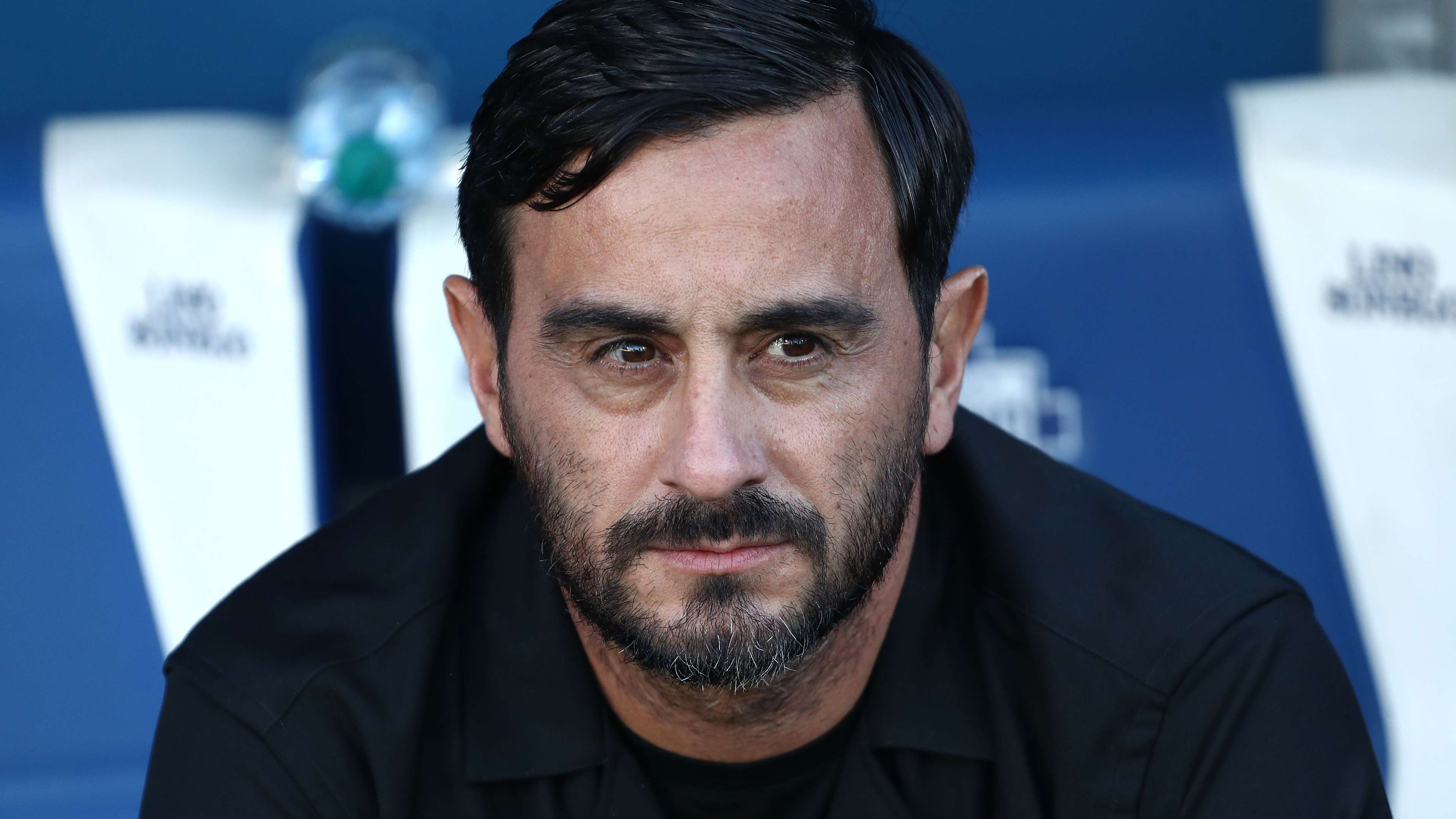
Sassuolo manager Alberto Aquilani accepted responsibility and apologised to supporters after his side suffered a damaging 6-2 defeat at home to Lazio. The result exposed serious defensive weaknesses and left the coach searching for answers, with his post-match comments focused less on excuses and more on the team’s lack of resolve.
Speaking at a press conference, Aquilani acknowledged that Sassuolo had struggled to impose itself during the match. As reported by TMW, he pointed to a basic problem: football is not played only when a team has possession. Sassuolo also had to cope with Lazio controlling the ball, and the visitors repeatedly took advantage of the space and uncertainty in the home side’s defence.
“There’s little to say; we have to apologise,” Aquilani said. He added that Sassuolo lacked the determination required to defend aggressively and protect its goal. The scoreline made that shortcoming impossible to ignore: conceding six times at home is not simply a matter of one misplaced pass or a single tactical adjustment. It raises broader questions about organisation, concentration and the team’s ability to respond when a match begins to turn against it.
A Defeat That Demands More Than a Tactical Fix
Aquilani did not attribute the loss to one isolated cause. He suggested the problems could be mental, tactical, individual or collective, recognising that a poor performance can emerge from several issues at once. A defence may be positioned incorrectly, for example, but it also needs communication, discipline and commitment to recover when opponents find a way through.
That distinction matters for Sassuolo as the club looks to move forward. Tactical changes can help close gaps and reduce the number of dangerous situations, but they are less effective if players do not respond with urgency. Aquilani’s comments indicated that he expects a stronger defensive attitude from the whole squad, not just from the back line. Preventing goals is a team responsibility, involving pressure on the ball, support from midfield and decisive defending near the penalty area.
The coach’s willingness to describe the performance plainly may also be an attempt to set clear expectations. After a defeat of this scale, supporters want to hear that the problems have been recognised. An apology cannot erase the result, but it can signal that the manager understands the frustration and intends to confront the weaknesses rather than minimise them.
Aquilani Refuses to Blame Missing Players
Sassuolo were without two important players, a factor that could have affected the team’s balance and available options. Aquilani, however, was careful not to use their absence as an explanation for the defeat. He said that if he had come to the club intending to rely on excuses, he would be “a very small man,” adding that supporters would not hear him make that kind of defence.
That stance places the focus on the players who were available and on the coaching staff’s responsibility to prepare them. Injuries and absences are part of a long football season, and squads need to find ways to adapt. A team may lose experience, speed or a particular tactical role when key players are unavailable, but it still has to remain organised and competitive.
There is also a practical challenge for Aquilani: finding solutions without overstating the impact of missing personnel. He will need to assess whether the defeat came from the team’s shape, individual errors, a lack of pressure on Lazio’s attackers, or a combination of those factors. The answer will influence how Sassuolo prepare for their next fixture, including whether the coach changes personnel, adjusts the system or demands a more forceful approach from the same group.
What Sassuolo Must Improve After the 6-2 Loss
The immediate priority is restoring defensive confidence. A high-scoring defeat can affect a team’s belief, particularly if players begin to doubt their positioning or hesitate when making decisions. Sassuolo will need to review the match carefully, identify recurring problems and turn those lessons into specific improvements on the training ground.
One key area is the transition from attack to defence. When possession is lost, the nearest players must react quickly, while teammates behind them protect the most dangerous spaces. If that first response is slow, opponents can move forward before the defence has time to regroup. Against a side capable of exploiting open areas, a brief lapse in concentration can quickly become a clear chance.
Communication will be equally important. Defenders and midfielders need to know when to press, when to hold their positions and who is responsible for tracking runners. Clear instructions can limit confusion, but players must also trust one another and act decisively. Aquilani’s emphasis on defending “fiercely” suggests that he wants more than a change in formation: he expects a visible increase in commitment and intensity.
Sassuolo must also respond emotionally. The best prediction for the team’s next performance will depend not only on tactical adjustments but on how quickly the players recover their focus. A convincing reaction would involve greater discipline without the ball, fewer unforced errors and a willingness to compete for every second ball. Those signs would not guarantee an immediate return to winning form, but they would offer evidence that the defeat has prompted a constructive response.
Pressure Builds as the Manager Looks for a Response
For Aquilani, the challenge now is to turn frank post-match words into measurable progress. Sassuolo’s supporters will be looking for a more organised display and signs that the players have taken the criticism seriously. The coach has made clear that he will not hide behind the absence of key figures, which leaves performance as the central measure of what comes next.
The 6-2 scoreline against Lazio is a painful result, but it can also provide a clear reference point for the work ahead. Sassuolo need to defend with greater cohesion, show more determination when opponents have possession and remain composed when under pressure. If those improvements arrive, the team can begin to rebuild confidence. If the same weaknesses persist, questions about the squad’s resilience and Aquilani’s solutions are likely to grow.
For now, the manager’s message is direct: Sassuolo owe their supporters an apology, and the best way to deliver it is through a stronger performance. The next match will offer the first opportunity to show whether the team can turn that promise into action.