
Al-Ahli Legend Hussein Abdulghani Criticizes Coach Marino Pusic After Disappointing Defeat to Mamelodi Sundowns
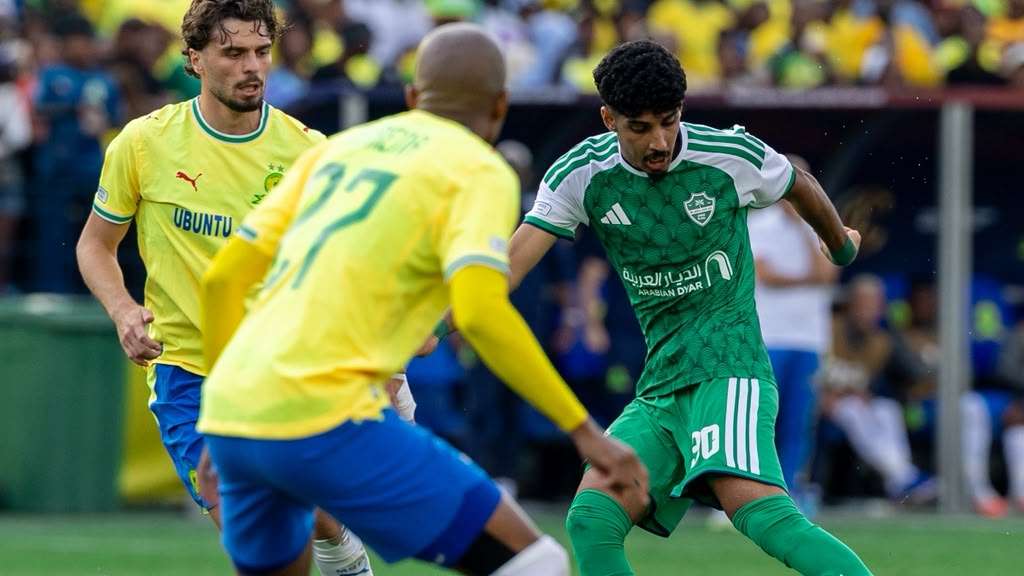
The recent match between Saudi Arabian giants Al-Ahli and South Africa’s Mamelodi Sundowns in the prestigious Intercontinental Cup has sparked intense debate among fans and analysts alike. The outcome—a 2-1 loss for Al-Ahli—has not only disappointed supporters but also ignited a fierce critique from one of the club’s most revered legends, Hussein Abdulghani. Known for his illustrious career with Al-Ahli and the Saudi Arabia national team, Abdulghani has openly placed the blame for the team’s underwhelming performance squarely on the shoulders of head coach Marino Pusic.
First-Half Brilliance, Second-Half Collapse: Analyzing the Match Dynamics
In what was initially a promising display, Al-Ahli showcased a commendable level of football during the first half. Fans and pundits alike observed a team that appeared organized, motivated, and tactically disciplined. Abdulghani himself praised the team’s first-half efforts, noting that they played with “wonderful fashion,” indicating a high level of performance and tactical understanding.
However, the narrative dramatically shifted after halftime. The Saudi side, which had seemed in control, began to lose momentum, and Sundowns capitalized on this decline. Abdulghani pointed out that Al-Ahli’s energy and organization dissipated quickly, allowing the South African champions to take command of the game. This collapse was, in his view, largely attributable to tactical missteps and poor management decisions made by Pusic during the critical second-half period.
Criticism of Marino Pusic’s Tactical Approach
Abdulghani’s critique extended beyond mere disappointment, delving into a detailed analysis of Pusic’s tactical shortcomings. According to the former star, the coach failed to effectively manage the flow of the game once the dynamics shifted. He was particularly critical of Pusic’s inability to exploit spaces behind Sundowns’ defense, a tactic that could have potentially turned the tide in Al-Ahli’s favor.
“Pusic was resigned and did not react at all,” Abdulghani remarked during his appearance on the popular sports program “Nadina.” “His interventions in the second half were strange and ineffective. Sundowns scored because of our lack of response, and Pusic’s tactical decisions only worsened the situation.”
Further criticism was aimed at the substitution choices, especially the introduction of Brendarenko, who, according to Abdulghani, was ineffective and poorly utilized. The former Al-Ahli star questioned the rationale behind his involvement and suggested that such decisions reflected a lack of strategic clarity from the coaching staff.
Failure to Read the Match Atmosphere and Opponent’s Strengths
Abdulghani emphasized that Pusic did not adequately read the atmosphere of the match or adapt his tactics accordingly. He argued that the coach’s failure to assess the opponent’s strengths and weaknesses led to a strategic stagnation that allowed Sundowns to dominate the latter stages of the game.
“Good football teams adapt to the flow of the game,” Abdulghani explained. “Pusic’s rigidity and inability to make timely adjustments were evident. His tactical approach was misguided, and it caused harm rather than helped Al-Ahli find an equalizer or a winning goal.”
The Future of Pusic at Al-Ahli: A Controversial Verdict
The discussion surrounding Pusic’s future at the club has taken center stage, with Abdulghani delivering a firm stance. The legendary former player strongly believes that the Croatian coach’s continued presence in the dugout is unjustified given recent performances and the manner in which he managed this crucial match.
“Pusic should not return after this series of failures,” Abdulghani declared. “His recent interventions have only deepened the club’s struggles, and this defeat against Sundowns underscores the need for a change in leadership.”
This outspoken critique reflects broader frustrations among Al-Ahli fans, who have been eager for a competitive resurgence in the Saudi Pro League and international tournaments. Abdulghani’s comments serve as a stark reminder that the club’s leadership must carefully evaluate the coaching staff’s capabilities if they hope to restore their stature on the continental stage.
Contextualizing the Loss: The Significance of the Intercontinental Cup
The Intercontinental Cup, often regarded as a test of the best club teams from different continents, holds immense prestige. For Al-Ahli, participating in such a tournament is both a matter of pride and a benchmark for assessing the club’s growth and competitiveness on the world stage. A defeat to a formidable team like Sundowns, who are currently one of Africa’s top clubs, is disappointing but also provides valuable insights into the team’s current level and areas needing improvement.
From a football prediction perspective, this match highlights the importance of tactical flexibility and mental resilience, especially in high-stakes competitions. The failure to adapt and respond effectively can be the difference between victory and defeat, emphasizing the need for coaches to develop sharp strategic acumen and players’ mental toughness.
Additional Insights: The Legacy of South Africa’s Greatest Export and Its Impact on Football Prediction
South Africa’s football export landscape boasts legendary figures such as Steven Pienaar, Benni McCarthy, and Lucas Radebe, whose careers have elevated the country’s football reputation globally. Sundowns, in particular, has become a powerhouse in African football, often serving as a benchmark for excellence in the continent.
This match reaffirms the increasing competitiveness of African clubs in global tournaments, which should be factored into football predictions for future encounters. The strength of teams like Sundowns demonstrates that African football is evolving rapidly, making predictions more complex but also more exciting.
Looking Ahead: The Road for Al-Ahli After the Sundowns Defeat
The defeat serves as a wake-up call for Al-Ahli’s management and coaching staff. For fans and analysts interested in football prediction, this result underscores the importance of strategic planning, tactical adaptability, and emotional intelligence in managing high-profile matches. Moving forward, the club must address the issues highlighted by Abdulghani—particularly in leadership and tactical execution—to regain their competitive edge.
As the Saudi Pro League continues to develop and attract top talent, clubs like Al-Ahli are under pressure to perform consistently at the highest levels. The lessons from this match should inform future predictions and strategic decisions, emphasizing that football is a game of both skill and smart management.
Final Thoughts: The Importance of Leadership and Tactical Acumen in Football Prediction
In conclusion, the recent critique from Hussein Abdulghani exemplifies the critical role that leadership, tactical flexibility, and match intelligence play in football success. For fans, pundits, and betting enthusiasts making predictions about future matches, understanding the nuances behind coaching decisions and team dynamics is crucial. This game against Sundowns serves as a case study in the importance of strategic adaptability and psychological resilience.
As Al-Ahli seeks to bounce back from this setback, the club’s future hinges on making informed decisions both on and off the pitch. For those interested in football prediction, this match is a reminder that even the most talented teams need strategic guidance and mental toughness to succeed on the global stage.