
Arsène Wenger Linked With Possible FIFA Presidential Challenge
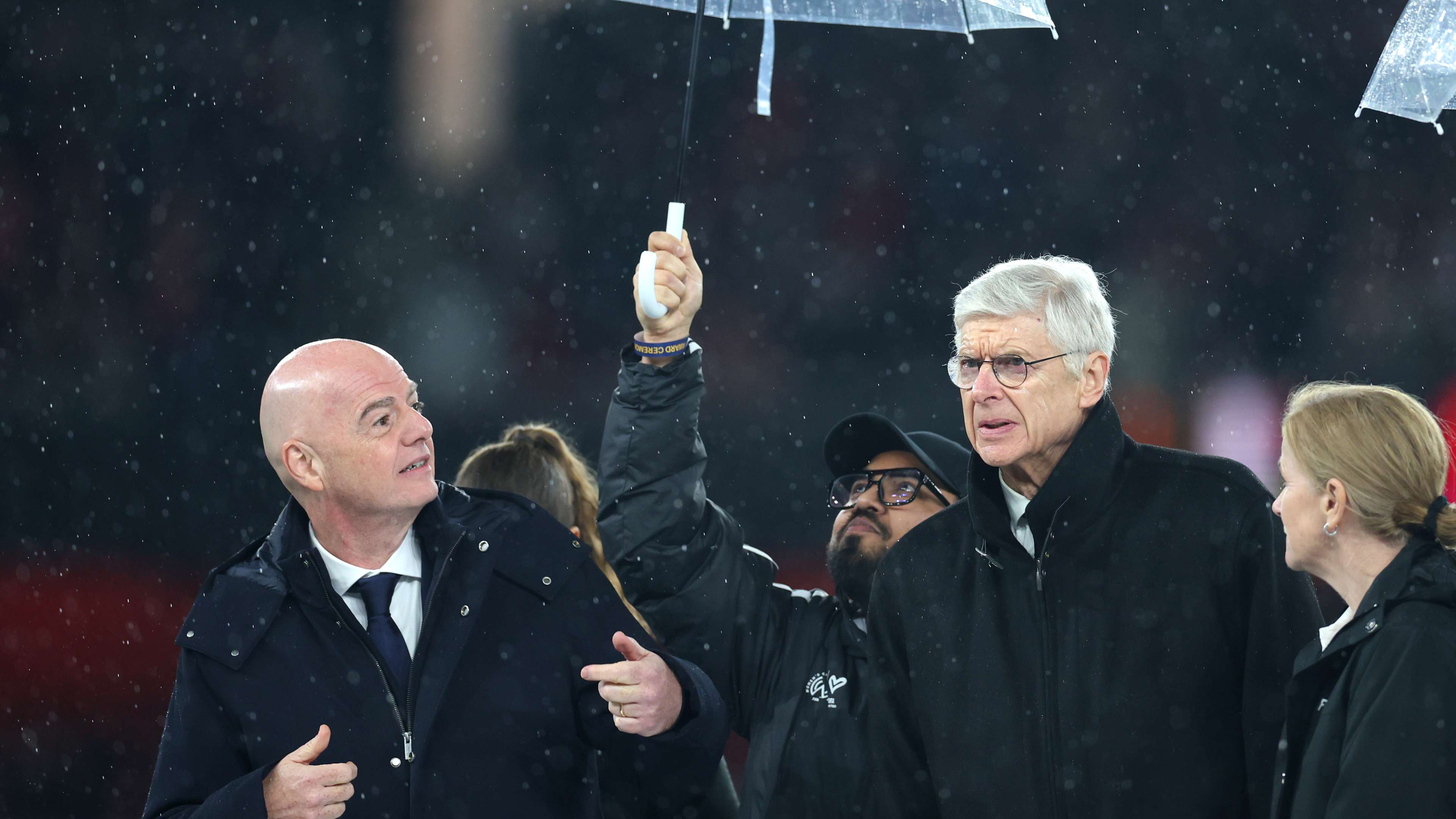
FIFA could be approaching an unexpected presidential contest, with former Arsenal manager Arsène Wenger reportedly considering a bid to challenge incumbent Gianni Infantino. The prospect has sparked fresh debate about the organisation’s leadership, the priorities of international football and whether a prominent figure from the sport’s technical side could reshape the race.
According to Foot Mercato, citing French newspaper L’Équipe, Wenger is emerging as one of the leading potential challengers ahead of an election scheduled for 18 March in Rabat, Morocco. The 77-year-old has not yet confirmed whether he will stand, but reports suggest he may make a decision by the middle of next week, following discussions with people encouraging him to enter the contest.
Why Wenger Could Be a Powerful Candidate
Wenger would bring a level of global recognition that few figures in football administration can match. His long career as a manager, especially his transformative spell at Arsenal, made him one of the best-known coaches in the modern game. He is also widely associated with developing players, promoting attacking football and taking a long-term approach to team building.
That profile could make him an appealing candidate to national associations seeking a change in direction at FIFA. A presidential campaign is not won on name recognition alone, of course, but a familiar and respected figure can attract attention, open doors and give a campaign an immediate public identity. Wenger’s decades in the sport have also given him an extensive network of relationships, including across Africa and Asia—regions whose football associations carry significant weight in FIFA elections.
Another factor may be Wenger’s position outside UEFA, European football’s governing body. Some national associations could see an independent profile as an advantage, particularly if they want the next FIFA president to be viewed as representing the global game rather than a single confederation. That perception could help Wenger build support across a diverse electorate, although any successful campaign would still need a clear programme and broad backing.
From the Touchline to Football Administration
Wenger’s potential candidacy would also reflect his more recent work within football governance. After leaving Arsenal in 2018, he joined FIFA as chief of global football development. In that role, he has been involved in discussions about the game’s technical future, including player development and ways to make football more accessible across different countries.
This experience could help him answer a central question facing any former coach who seeks the presidency: how would his ideas translate into leadership of an organisation responsible for competitions, development funding and the rules and structures of the international game? Wenger’s supporters may argue that his technical background gives him a strong understanding of football’s needs. Critics, meanwhile, could ask whether coaching expertise is enough to manage FIFA’s complex political and commercial responsibilities.
A Shorter Path to Office—and a Limited Term
Age could be an important consideration in the reported discussions. If Wenger were to win, the reports indicate that he would be eligible to serve only one four-year term. That limitation could be presented as a drawback for a candidate promising long-term reform, since it would leave less time to establish a lasting agenda.
However, a single-term presidency could also become part of his pitch. Wenger might frame a four-year mandate as an opportunity to focus on specific priorities, build consensus and avoid an extended period in office. Whether that argument would persuade national associations remains uncertain, but the issue is likely to feature prominently if he confirms his intention to run.
Kozo Tashima Adds Another Name to the Race
Wenger is not the only potential challenger to Infantino. Kozo Tashima, honorary president of the Japan Football Association, has also announced his intention to seek the FIFA presidency. His entry creates the possibility of a multi-candidate contest, which could make the election more unpredictable and force candidates to compete for support across different regions.
The presence of more than one challenger may create opportunities for a campaign seeking change, but it could also divide opposition votes. The outcome will depend not just on public attention, but on the ability of each contender to secure commitments from member associations and present a credible vision for FIFA’s future.
Infantino Faces a Potentially More Competitive Election
Infantino is seeking another term while facing controversy in recent times, according to the reports surrounding the election. A challenge from a globally recognised figure such as Wenger could intensify scrutiny of the incumbent’s record and encourage a wider discussion about FIFA’s priorities. Those debates may include development opportunities, the distribution of resources, the organisation’s relationships with member associations and the future direction of international competitions.
For football fans, a presidential election can appear distant from the weekly action on the pitch. Yet FIFA’s leadership influences the structure and development of the sport worldwide, making the choice of president relevant to national teams, leagues, players and supporters. The candidates’ proposals—and the alliances they build—could shape how the organisation responds to the game’s changing demands.
Prediction: A Race to Watch, but Wenger’s Decision Comes First
Any prediction about the election remains premature while Wenger has not confirmed his candidacy. If he enters the race, his reputation, international connections and experience in FIFA’s football-development work could make him a serious contender. But his campaign would still need to overcome questions about his administrative credentials, age and ability to unite associations behind a detailed platform.
For now, the key development is whether Wenger moves from speculation to a formal announcement. If he does, the contest could become one of the most closely watched leadership races in world football, with Infantino facing a challenge built around a familiar name and a potentially different vision for FIFA.