
Switzerland’s Noah Okafor Announces Retirement from National Team Amidst Controversy
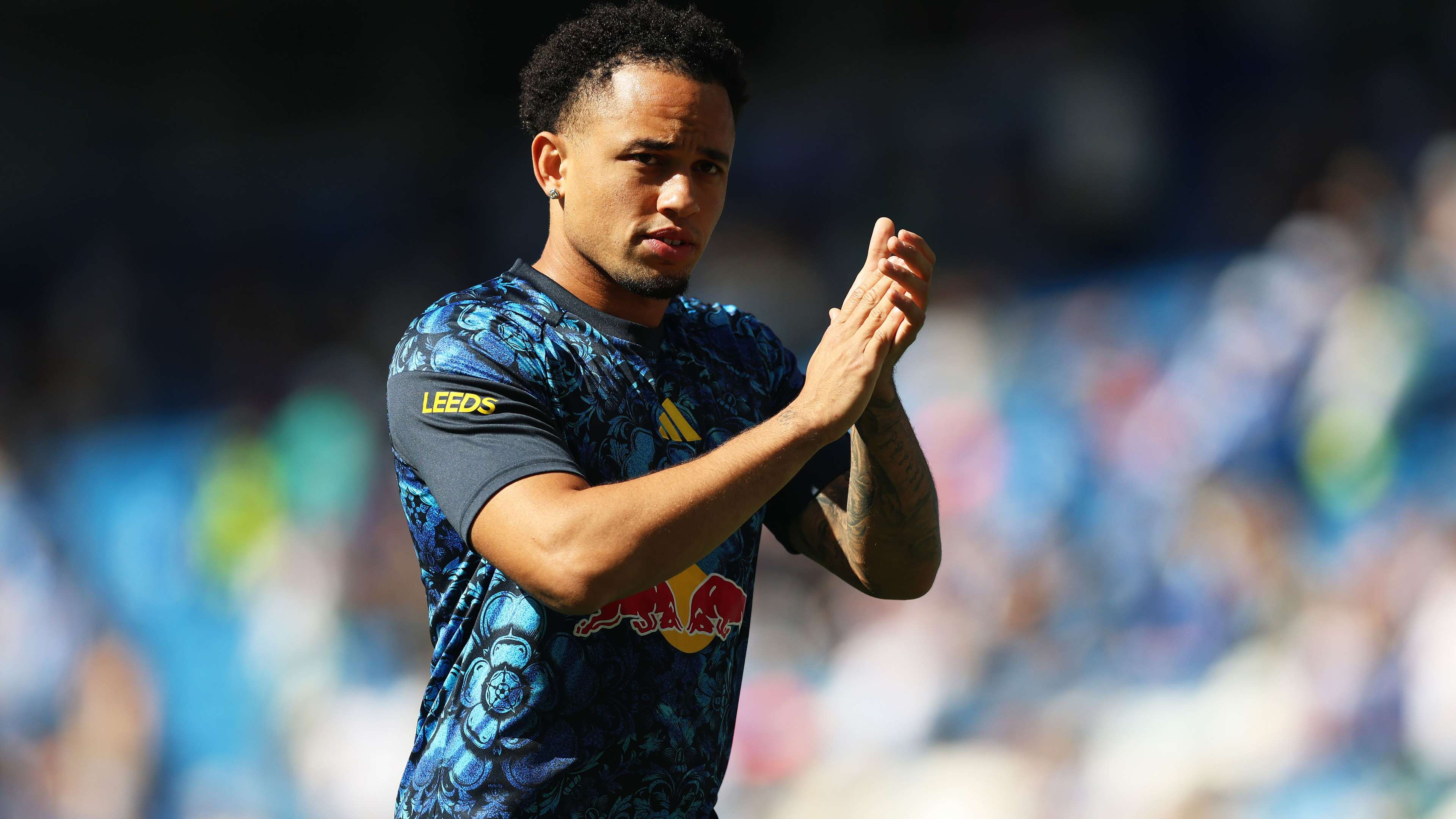
In a surprising turn of events that has sent shockwaves through the football community, Swiss international forward Noah Okafor has publicly announced his decision to retire from the Switzerland national team. The 26-year-old Leeds United winger, who was expected to be a key figure in the upcoming 2026 FIFA World Cup, revealed that his departure is fueled by serious disagreements with the team’s head coach, Murat Yakin. This revelation not only raises questions about the future direction of Swiss football but also sparks a broader discussion about trust, leadership, and team dynamics within national squads.
Unpacking Okafor’s Decision: The Context and the Content
Okafor’s announcement came through an emotional and detailed post on his official Instagram profile, where he expressed deep disappointment and frustration. The player emphasized that his decision to step away from the national team was not motivated by a lack of playing time or opportunities on the pitch. Instead, it was rooted in broken trust, unfulfilled promises, and what he describes as a disrespectful treatment by the coach that he can no longer accept.
“For me, that was the most difficult period of my career so far,” Okafor wrote. “After careful consideration, I have decided to retire from the Switzerland national team until further notice. This decision is extremely difficult for me, but I want to and must say it now. There has never been anything greater for me than playing for Switzerland.”
Performance, Respect, and Personal Growth
Despite his departure, Okafor clarified that his decision was not influenced by his role or the minutes he received during matches. During the recent World Cup held in the USA, Canada, and Mexico, he was limited to just a single appearance—coming on as a substitute against Algeria in the knockout stage—while the rest of his teammates saw more action. Yet, he emphasized that he accepted his role during the tournament and was proud to represent his country at such a prestigious event.
“I would have very much liked to continue playing for Switzerland and given everything for our country,” he stated. “But under the current circumstances, that is no longer possible for me.”
The Core of the Dispute: Broken Trust and Unkept Promises
Okafor’s most candid comments pertain to his experiences during the World Cup, where he faced what he describes as unfair treatment and a lack of respect. He detailed how, despite the positive energy and motivation after a strong season at Leeds United, his experience on the international stage left him deeply disappointed.
“Things happened that deeply hurt me,” he revealed. “Trust was broken. Promises were not kept. And even small mistakes, far from our goal, were reacted to in a way that was very painful.”
He further explained that after a period of reflection, he concluded that continuing under the current leadership was no longer feasible. His decision was also influenced by the emotional toll of feeling undervalued and misunderstood within the team environment.
Implications for Swiss Football and Prediction Outlook
Okafor’s departure from the national team raises important questions about the future of Swiss football, especially as the country prepares for the next World Cup cycle. His absence leaves a significant void in the attacking line, impacting the team’s offensive predictions and overall tactical setup. Analysts and fans alike are now pondering how Switzerland will adapt their prediction models and strategies moving forward without one of their most promising young talents.
The controversy also shines a spotlight on the leadership style of Murat Yakin, whose management approach is now under scrutiny. Successful football teams often depend on mutual respect and trust between players and coaches—elements that Okafor claims are missing in this case. The situation underscores the importance of effective communication and player-coach relationships, which are crucial for team cohesion and performance prediction in major tournaments.
What’s Next for Noah Okafor and Swiss Football?
While Okafor’s immediate future is uncertain, his decision to step away from the national team could have long-term implications for Swiss football. It prompts a broader reflection on how national teams handle internal conflicts and the importance of nurturing a respectful and transparent environment for players.
As for the prediction landscape, football experts and betting enthusiasts will need to revisit their forecasts for Switzerland’s performance in upcoming international fixtures and tournaments. The absence of a player of Okafor’s caliber could influence predictions about Switzerland’s offensive capabilities and overall success prospects in future competitions.
Respect and Future Prospects
Despite the controversy, Okafor expressed goodwill towards his former coach and teammates, wishing them success in their future endeavors. “I do not see that foundation for the coming years,” he wrote, referring to the trust he believes is lacking. Nevertheless, he acknowledged the historic achievements of the Swiss team under Yakin’s leadership and highlighted that mutual respect remains essential for sustained success in football prediction and team development.
Looking ahead, Swiss football authorities might need to evaluate their leadership strategies to prevent similar situations and foster a more cohesive environment. Meanwhile, fans and pundits will be closely watching how the team adapts without one of its most talented and promising young players.
The Broader Impact on Football Prediction and Team Dynamics
This incident exemplifies a broader phenomenon in football where team chemistry and leadership can significantly influence team performance and prediction models. Coaches who prioritize transparency, respect, and player development tend to foster more resilient teams capable of achieving consistent results in major tournaments.
As football fans and analysts analyze upcoming fixtures, the Swiss team’s capacity to rebuild trust and integrate new talents will be a key predictor of their future success. The Okafor controversy serves as a reminder that behind every prediction lies a complex interplay of player morale, coaching philosophy, and team cohesion.
Conclusion: A Turning Point for Swiss Football and the Road Ahead
In summary, Noah Okafor’s decision to retire from the Swiss national team amid allegations of broken trust and unfulfilled promises marks a significant moment in Swiss football history. It underscores the critical importance of leadership, respect, and transparent communication in building a successful team—elements that directly influence football predictions and tournament outcomes.
As Switzerland moves forward, the focus will be on how the team adapts and whether new leaders can emerge to fill the void. Meanwhile, fans and pundits will continue to analyze the implications of this controversy, adjusting their predictions for Switzerland’s future performances on the international stage. Ultimately, this story is a testament to the complex human dynamics behind football—where trust and respect are as vital as tactics and talent.