
Ahmed Shubair Criticizes Red Team’s Performance Despite Win
Former Al Ahly goalkeeper and media personality Ahmed Shubair did not hold back in his critique of the Red Team’s performance in the Premier League promotion play-offs. Despite their 2-1 victory over Smouha, Shubair acknowledged that Red Devils supporters are still dissatisfied with the team’s overall display.
Intense Scrutiny on Imam Ashour
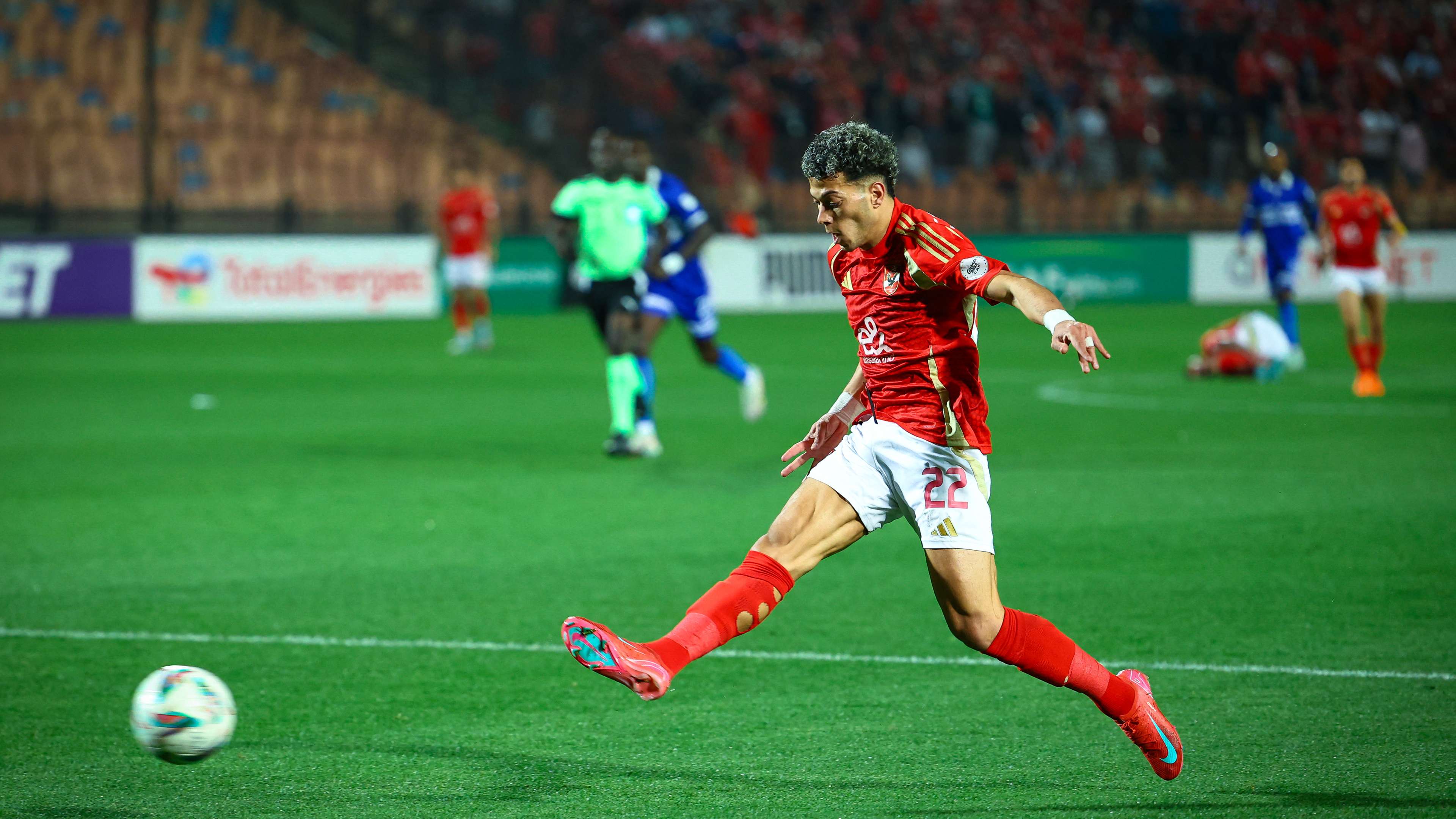
During his On Sport radio show, Shubair agreed with fans’ assessment of the team’s performance but objected to the singling out of any one player, particularly Imam Ashour. Shubair highlighted the intense scrutiny facing Ashour, stating that the spotlight is firmly on him.
“Imam Ashour is not at his best, I agree 100%… but who was at their best yesterday? Most of the players weren’t… No one deserved more than a 5/10 yesterday,” said Shubair. He also pointed out that it’s unfair to target one player for criticism, as everyone has room for improvement.
Changing the Approach
Shubair emphasized the need for a change in approach when it comes to evaluating players. He cited the example of Nasser Mansi, who faced similar criticism in the past but has now earned the status of a club legend. Shubair had warned Zamalek against letting Mansi leave, emphasizing that judgment should be based on a player’s overall performance over a longer period, rather than a single game.
“These campaigns serve no one; the approach must change,” Shubair stated. He also mentioned Ashour’s previous disciplinary issues and how he bounced back from them, urging fans to consider the bigger picture when assessing players.
Looking Beyond Individual Performances
Shubair’s comments shed light on the need for a more holistic approach to evaluating football players. Instead of focusing solely on individual performances, he advocated for a broader perspective that takes into account the team dynamics and overall progress over time.
As the football season progresses, fans and analysts alike will be keeping a close eye on how players like Imam Ashour and Nasser Mansi perform. Shubair’s insights serve as a reminder that success in football is a collective effort that goes beyond individual players.
Overall, Shubair’s critique highlights the complexities of football prediction and analysis, urging fans to consider the bigger picture when assessing players’ performances. As the Premier League promotion play-offs continue, it remains to be seen how the Red Team will respond to the scrutiny and criticism they face.
Impact of Ahmed Shubair’s Criticism
Former players turned media personalities like Ahmed Shubair play a crucial role in shaping public opinion and discourse around football teams and players. His candid criticism of the Red Team’s performance not only reflects the sentiments of many supporters but also adds a layer of accountability for the players and coaching staff. By highlighting the need for a more nuanced evaluation of players and their contributions to the team, Shubair’s comments spark important conversations within the football community.
Pressures of Playing for a Top Club
Imam Ashour’s case underscores the intense pressure that players face when representing a top club like Al Ahly. With a passionate fan base and high expectations for success, players are constantly under the microscope, scrutinized for every move on and off the pitch. This environment can be both motivating and challenging for athletes, as they strive to meet the demands of the club and its supporters while maintaining their own form and composure under pressure.
Building Player Resilience
Shubair’s reference to Nasser Mansi’s journey from criticism to club legend highlights the importance of resilience and perseverance in a player’s career. Football is a game of ups and downs, and how players navigate through challenges and criticisms can ultimately shape their legacy within a club. By acknowledging Ashour’s past disciplinary issues and subsequent improvement, Shubair emphasizes the potential for growth and redemption in football, urging fans to support players through their peaks and valleys.
Evolving Strategies for Player Evaluation
Shubair’s call for a shift in the approach to evaluating players reflects a broader trend in football analysis. While individual performances are important, a holistic view that considers team dynamics, player development over time, and the context of each match is becoming increasingly prevalent. In an era where data analytics and advanced metrics play a significant role in player evaluation, striking a balance between statistical analysis and subjective observations remains a key challenge for football pundits and fans alike.
Conclusion
Ahmed Shubair’s critique of the Red Team’s performance serves as a reminder of the complexities involved in assessing football players and teams. By encouraging a more comprehensive approach to player evaluation, he prompts fans and analysts to look beyond individual performances and consider the bigger picture of collective effort and progress. As the football season unfolds, the lessons drawn from Shubair’s insights can inform a more nuanced and empathetic understanding of the challenges and triumphs that players face in the competitive world of football.