
P. V. Sindhu Falls to An Se-young in French Open Badminton Final
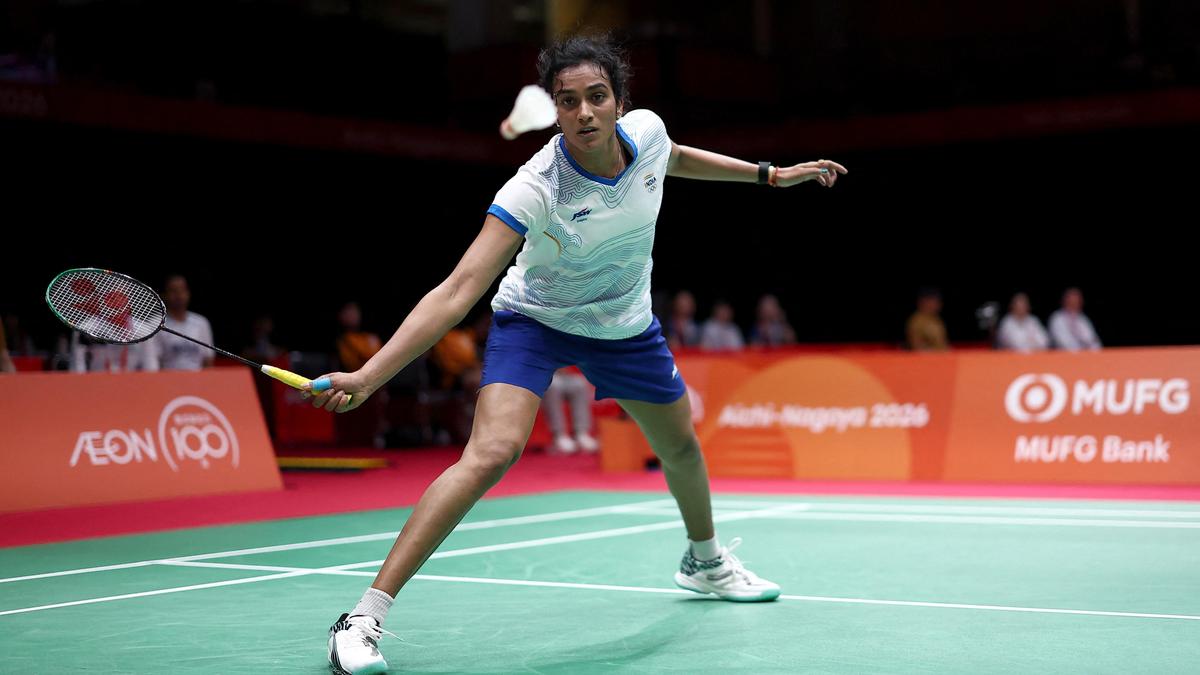
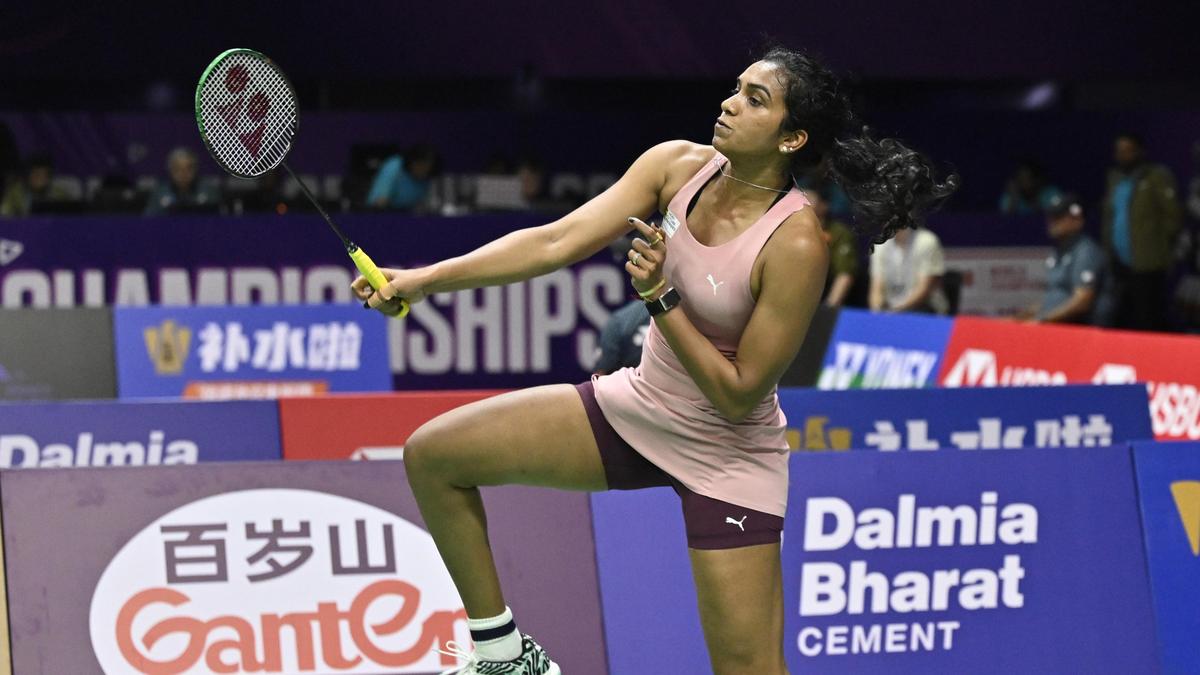
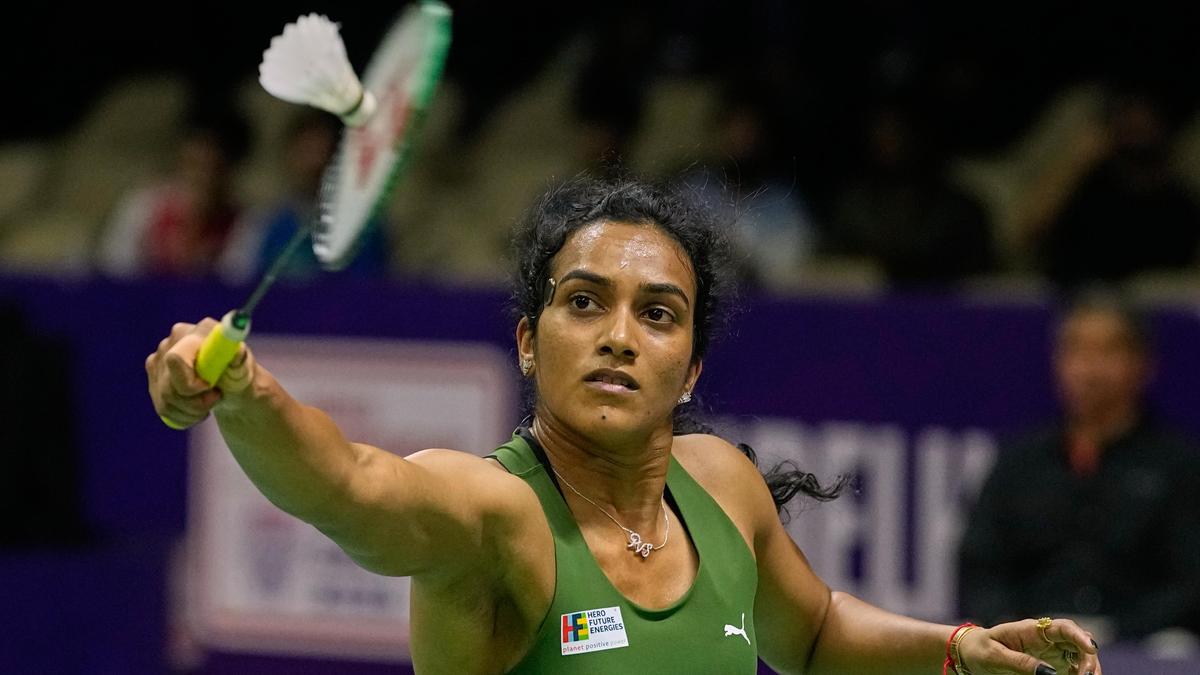
P. V. Sindhu’s bid for the French Open title ended in a three-game defeat to world No. 1 An Se-young, but the Indian star showed she could challenge the Korean by taking the opening game in Paris on Sunday. Sindhu ultimately lost 16-21, 21-11, 21-12, with a run of unforced errors and a missed opportunity to protect an early lead in the deciding game proving costly.
The two-time Olympic medallist made a confident start, using her attacking play to put An under pressure and claim the first game 21-16. An responded by tightening her defence and reducing the space Sindhu had to finish rallies. The shift in momentum was decisive: the Korean took the second game 21-11, then carried that control into the third to secure the championship.
A crucial lead slips away
Sindhu’s clearest opening to regain control came early in the final game. She moved ahead 8-5, but An gradually worked her way back into the contest. Sindhu later identified that stretch as a turning point, saying she needed to maintain the advantage rather than allow the world No. 1 to settle into her rhythm.
“I felt that I should have maintained the lead from 8-5. That’s where I felt the difference was,” Sindhu said after the match. At the highest level of badminton, a small lead can quickly disappear when an opponent is capable of extending rallies and forcing errors. Once An drew level and moved ahead, Sindhu had to take greater risks to find a way back.
The final featured extended exchanges rather than easy points, testing both players’ movement, patience and decision-making. Sindhu said she was encouraged by the quality of the rallies but felt she could have converted more of them into points. Against a player as consistent as An, winning a long exchange can provide more than a point: it can also disrupt the opponent’s rhythm and build confidence.
An changes course after losing the first game
An credited a tactical adjustment for her turnaround. Rather than trying to match Sindhu’s aggression immediately, she focused on defending, absorbing the Indian’s attacks and waiting for opportunities to take control of the rally.
“Sindhu is a very strong, aggressive player. So, I focused on my defence, and next I could catch my timing,” An explained. She said Sindhu had tried to rush her in the opening game, while she made a conscious effort to avoid being hurried in the second. By slowing the exchanges and trusting her defensive game, An was able to find better timing and turn defence into attack.
That response highlighted one of the defining features of elite badminton: a match can change not only through powerful smashes, but through a player’s ability to adapt. An’s court coverage and consistency made it increasingly difficult for Sindhu to finish points cleanly. As the match progressed, the Korean’s defensive resilience put pressure on Sindhu to produce increasingly precise shots.
Sindhu treats the rivalry as a fresh challenge
The defeat extended Sindhu’s losing run against An to 10 matches, but she said the record did not shape her mindset going into the final. Instead, she approached the contest as a new opportunity, focusing on the points in front of her rather than past results.
“It’s a fresh day, a new day and it’s a new game. Anything could happen. So I fought for every point,” Sindhu said. That outlook helped her begin strongly and take the first game, even against an opponent who has repeatedly been one of the toughest challenges on the badminton circuit.
Sindhu acknowledged that the conditions required some adjustment. Asked whether drift affected her game plan, she said it had to a degree, but pointed to unforced errors as a key factor in the result. “A bit of unforced errors is what I felt cost me. But it’s part of the game, right? We need to control no matter what.”
Air movement inside a badminton arena can influence the flight of the shuttle, affecting the length and direction of shots. Players may need to recalibrate clears, lifts and attacking strokes as conditions change across the court. However, Sindhu’s comments also reflected the broader challenge of managing execution under pressure: tactical adjustments matter, but consistency remains essential when facing a top-ranked opponent.
A valuable run despite the final result
Although Sindhu left Paris without the trophy, reaching the French Open final offered a strong measure of her competitive level. Taking the first game from An showed that Sindhu’s attacking strengths can trouble the world No. 1. The next step will be sustaining that pressure for longer, especially when rallies become physically demanding and the match enters its decisive stages.
For An, the victory added another major title to an already impressive season and reinforced her reputation as a player who can respond under pressure. After the match, she kept her plans simple: celebrate with a meal at a French or Korean restaurant, then rest and follow her recovery routine. That focus on recovery is a familiar part of life on the international badminton tour, where players often have little time between demanding tournaments.
The Paris final offered a compelling contest between Sindhu’s attacking instincts and An’s defensive control. Sindhu produced the stronger start, but An’s tactical shift and steadier execution changed the match’s direction. For fans, the result was a reminder that in top-level badminton, momentum can turn quickly—and that even a narrow lead can become decisive when every rally is hard-earned.