
Controversy Erupts in Spanish Football: Josep Pedrerol’s Comments Spark Debate Over Lamine Yamal and the Ceuta Support Shirt
In the world of football, where athletic prowess often intertwines with social and political issues, recent remarks by renowned presenter Josep Pedrerol have ignited a heated debate across Spain’s sporting community. As host of the popular sports talk show “El Chiringuito,” Pedrerol’s comments about Barcelona star Lamine Yamal and the ongoing controversy surrounding the “We are Ceuta” shirts have placed the spotlight on the delicate intersection of football, identity, and activism.
The Origins of the Ceuta Support Shirt Controversy
The controversy began last Tuesday during the pre-match ceremonies at the Martínez Valero stadium, where the La Liga clash between Elche and Real Madrid took place. Amid the ongoing humanitarian and immigration crisis in the Spanish enclave of Ceuta, players from both teams wore shirts emblazoned with the phrase “We are Ceuta”. This gesture was part of a broader campaign initiated by the Spanish company AVE, aiming to show solidarity with the residents of Ceuta, which has been at the epicenter of migration debates and social challenges.
However, the act was met with mixed reactions. While many saw it as a heartfelt show of support, others questioned the appropriateness of politicizing the sport. Notably, three Real Madrid players—Vinícius Jr., Kylian Mbappé, and Ibrahima Konaté—refused to participate in wearing the shirts, choosing instead to cover the message. Their stance sparked a wave of discussions on whether athletes should involve themselves in political issues, especially within the realm of football predicated on entertainment and competition.
Pedrerol’s Commentary and the Focus on Lamine Yamal
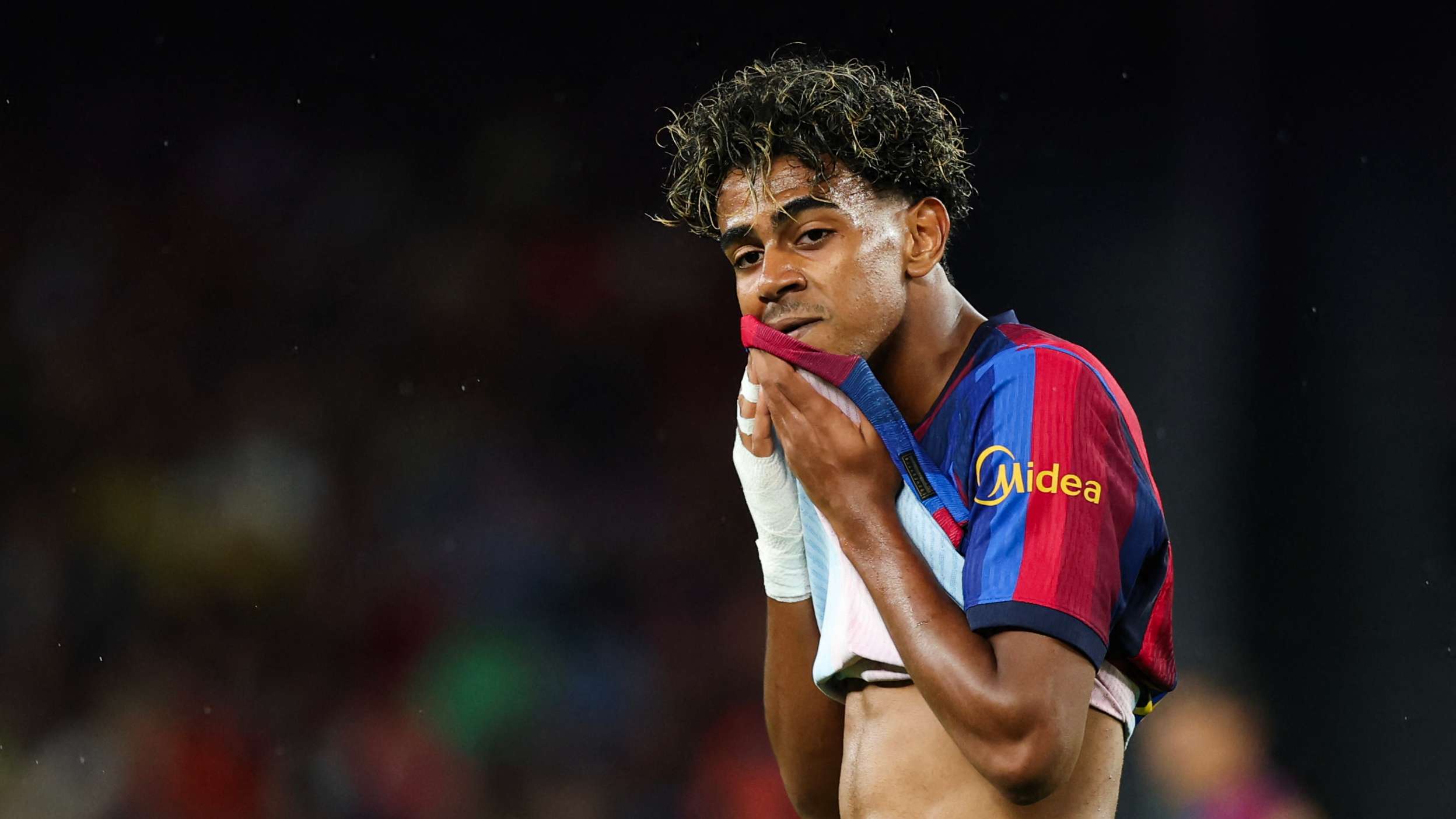
Amid this tense atmosphere, Josep Pedrerol, known for his candid and often provocative opinions, weighed in on the debate during his show. He initially defended the three Real Madrid players and then shifted his focus to FC Barcelona’s rising star, Lamine Yamal, who has been making headlines with his exceptional talent and rapid ascent in professional football.
Pedrerol raised a provocative question, suggesting that Barcelona should join the “We are Ceuta” campaign to avoid putting Yamal in an uncomfortable position. The host then made a contentious remark live on air: “Lamine is of Moroccan origin, even though he plays for Spain.”
This comment quickly ignited backlash across social media and among fans and pundits alike. Critics argued that Pedrerol’s words were insensitive and unnecessary, further fueling the debate surrounding national identity, ethnicity, and the role of athletes in social activism.
The Apology and Clarification: Pedrerol’s Response to the Controversy
Realizing the gravity of his words, Josep Pedrerol issued a formal apology on the following day via Radio Catalunya. He clarified that his comment was a “slip of the tongue”, explaining that he intended to acknowledge Yamal’s Moroccan heritage through his father, but failed to articulate this properly during the live broadcast.
In his apology, Pedrerol stated: “It was a mistake on my part. I forgot to mention his Moroccan origin because his father is of Moroccan descent.” He emphasized that his main concern was the challenging situation Yamal finds himself in, both as a young footballer navigating fame and as an individual of diverse heritage living in a polarized social climate.
Pedrerol’s apology also addressed the broader issue of how football clubs and players are being pulled into social and political debates. He expressed concern over the pressure placed on athletes to take a stand on sensitive issues, arguing that such topics should be discussed internally rather than being exploited publicly.
Implications for Football and the Role of Athletes in Social Movements
This controversy underscores a broader debate about the role of footballers and clubs in advocating for social causes. On one side, supporters believe athletes have a platform and responsibility to use their visibility to promote social justice and solidarity. On the other, critics argue that sports should remain apolitical, focusing solely on competition and entertainment.
In the case of Yamal, his diverse background and rise to fame embody the multicultural fabric of modern Spain, making his position particularly sensitive. As a young talent of Moroccan descent representing Spain, Yamal’s experience highlights the ongoing challenges and opportunities of integrating diverse identities within national teams and football clubs.
Expert Opinions and Future Perspectives
Football analysts and social commentators have weighed in on the incident, emphasizing the importance of nuance and respect in discussing players’ backgrounds. Dr. Laura Gómez, a sports sociologist, notes: “Athletes like Lamine Yamal symbolize the new face of football—diverse, talented, and influential. Their role extends beyond the pitch, but it must be approached with sensitivity and awareness.”
Meanwhile, football fans and pundits are debating whether clubs should establish clearer guidelines regarding political symbols and activism during matches. The incident raises questions about the boundaries of player autonomy versus club policies and the potential impact on team unity and public perception.
Conclusion: Navigating the Complex Terrain of Football and Social Identity
As Spain’s football community continues to grapple with these issues, the debate surrounding Josep Pedrerol’s comments serves as a reminder of the sport’s power to reflect societal tensions. Whether through supporting causes like Ceuta or acknowledging players’ diverse origins, football remains a mirror of the multicultural, interconnected world we live in.
Looking ahead, the key for clubs, players, and broadcasters is to foster open dialogue that respects individual backgrounds while promoting unity and respect on the field. The controversy has shed light on the importance of thoughtful communication and the need to balance social activism with the core values of sportsmanship and competition.
In the end, the football prediction landscape may be filled with uncertainties, but one thing remains clear: the beautiful game continues to be a stage for societal change, identity, and passion—where every comment and gesture carries weight beyond the pitch.