
Harry Kane Misses Out on Top Two in José Félix Díaz’s 2026 Ballon d’Or Prediction
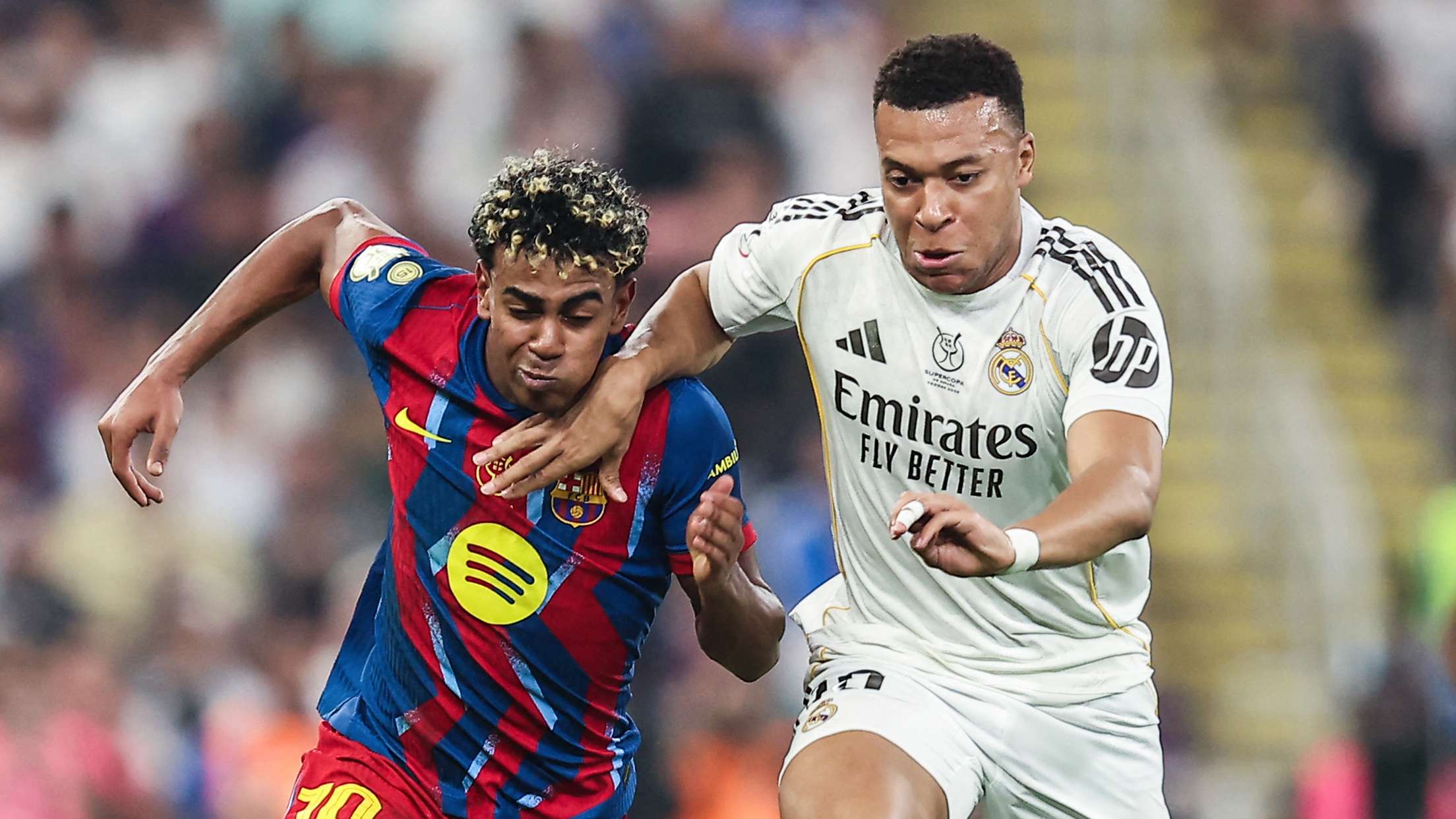
Harry Kane may have claimed the 2026 Ballon d’Or, but he was not the first choice of every voter. José Félix Díaz, the Spanish journalist for AS who represented Spain in the award’s voting, has explained why he placed Kylian Mbappé ahead of Kane, with Lamine Yamal completing his top three.
Díaz’s choices highlight how difficult it can be to compare players whose seasons unfold in different leagues and competitions. Goals, trophies, individual performances and influence on a team all matter—but voters may weigh those factors differently. In this case, the debate turned on Kane’s success in Germany, Mbappé’s extraordinary scoring record and Yamal’s impact for Barcelona and Spain.
Why Díaz Had Reservations About Kane
Speaking on the AS YouTube channel, Díaz said he had considered how Kane’s career might have looked had the England striker remained at Tottenham. He suggested that Kane’s achievements could have been viewed differently if they had come in the Premier League, where he spent many years playing for a club that, in Díaz’s assessment, was not among the leading title-winning sides.
Kane became one of Tottenham’s most prolific players, but the team did not win a major trophy during his time there. Reaching a final was a significant achievement, yet Díaz questioned whether the striker’s move to Germany made it harder to judge his season against players competing in La Liga or the Premier League.
His comments were not a dismissal of Kane’s quality. Díaz said the Englishman deserved a place on the Ballon d’Or podium, recognising the strength of his performances and his case as a leading contender. Rather, his hesitation reflected a broader challenge for football awards: how much should a player’s league, club circumstances and trophy record shape an individual honour?
The role of international football
Díaz also pointed to the World Cup as an important part of his assessment. Kane, he said, began the tournament strongly, but Jude Bellingham soon emerged as another major figure in the conversation. That shift in attention may have affected the way Kane’s overall campaign was remembered, particularly when voters were comparing the influence of players across a long season and a major international competition.
There is no single formula for making a Ballon d’Or prediction. A striker’s goals can be decisive, but so can their contribution to team success, their consistency and the level of opposition they faced. Díaz argued that no one factor should determine the outcome on its own.
Mbappé’s Consistency Made the Difference
For Díaz, Mbappé was the strongest candidate across the full season. He said the French forward had been his preferred choice from the beginning of the campaign through to the end of the World Cup, pointing to an outstanding record in front of goal across domestic and international competitions.
According to Díaz, Mbappé finished as the leading scorer in his league, the Champions League and the World Cup. He also helped France reach the semi-finals, where the team was eliminated by Spain. That combination of club production and international impact gave Mbappé a compelling case, even as his season included periods of uneven form.
Díaz’s central argument was consistency. He believed Mbappé maintained a high level over a longer stretch than his rivals, making him the most reliable performer across the entire campaign. In an award decided by voters rather than a fixed statistical model, that sustained excellence can carry considerable weight.
He also acknowledged that Real Madrid did not always provide Mbappé with the support he needed. That context, in his view, deserved consideration when assessing the forward’s contribution. A player’s performance cannot always be separated from the team around him: tactical fit, service and the balance of the squad can all influence what a star is able to produce.
Yamal’s Influence—and the Difference Between Seasons
Díaz placed Yamal third in his 2026 Ballon d’Or prediction, but he was careful to distinguish the teenager’s current level from his performance during the season under review. Asked who he would choose based on Yamal’s form at the time of the interview, Díaz said the Barcelona winger would be his pick. Looking back at the previous campaign, however, he rated Mbappé’s contribution higher.
That distinction is important in any award discussion. A player’s reputation and current form can shape expectations, but the Ballon d’Or is intended to assess what happened during a specific period. Díaz argued that Yamal had not reached the final stage of the season in his best form and that the World Cup was not his strongest tournament.
He also challenged the idea that Spain’s success at the World Cup was primarily the result of Yamal’s individual influence. Spain, he said, won through collective strength, with several players contributing to the team’s progress. That view does not diminish Yamal’s talent; instead, it places his performances within the wider context of a successful national side.
At Barcelona, meanwhile, Díaz sees a different picture. He described the club as heavily reliant on Yamal, estimating that around 70 per cent of the team’s strength comes through the winger’s influence. His ability to accelerate, beat defenders and unsettle opponents has made him a central figure in Barcelona’s attack.
What the Debate Says About the Ballon d’Or
The contrast between Díaz’s ranking and Kane’s eventual victory underlines the subjective nature of football’s most prominent individual award. One voter may prioritise goals and consistency; another may place greater value on trophies, decisive moments or a player’s importance to a championship-winning team. League strength and international performances can further complicate the comparison.
Kane’s win, Mbappé’s scoring numbers and Yamal’s growing influence each represent a different kind of Ballon d’Or case. Díaz’s explanation offers a useful look at how voters balance those competing narratives—and why even an accomplished season may not produce unanimous agreement.
For supporters following the next award race, the key question will be whether players can combine individual excellence with team success across the full season. As this debate shows, a strong prediction depends on more than a goal tally: consistency, context and influence can all shape who ultimately comes out on top.