
Al Ahly’s Ali Mahmoud Addresses Controversy with Coach Hossein Ammouta: A Closer Look at the Football Prediction and Incident
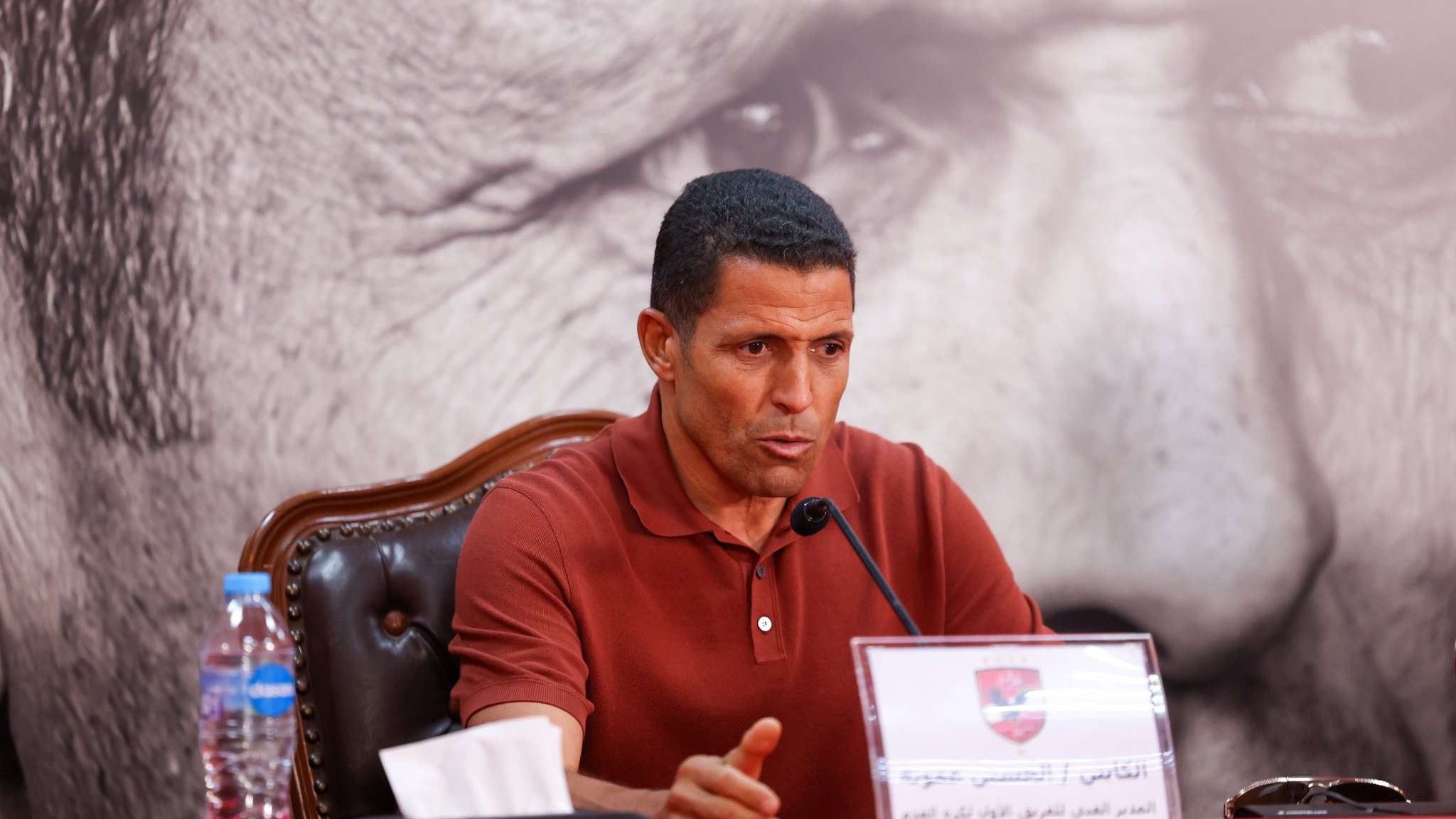
In the vibrant world of Egyptian football, few moments spark as much debate as on-field incidents involving team discipline and player-coach relationships. Recently, a controversy erupted during Al Ahly’s match against Arab Contractors, drawing widespread attention from fans, analysts, and media outlets alike. Central to this debate is midfielder Ali Mahmoud’s interaction with Al Ahly’s Moroccan head coach, Hossein Ammouta, during Wednesday’s match, which ended in a 1-1 draw in the fourth round of the Egyptian Premier League.
The Incident Unfolds: What Really Happened?
During the course of the match, Ali Mahmoud was substituted in the second half, a routine event in football that often signals tactical adjustments or player fatigue management. However, what followed sparked intense controversy. Mahmoud, after being replaced, walked off the pitch, shook hands with football director Wael Gomaa, and then approached Ammouta, who appeared visibly displeased.
According to reports and eyewitness accounts, Ammouta called Mahmoud towards him, exchanged a few words, and then, in a gesture that drew criticism, pushed the player with his hands. This act, captured on television and circulated widely on social media, ignited a firestorm of criticism directed at the coach from fans, pundits, and former players. Many questioned Ammouta’s professionalism and his approach to player management, igniting a broader discussion about discipline and respect in football teams.
Reactions and Divergent Perspectives
While the incident seemed straightforward at first glance, the reactions from those involved and observers added layers of complexity. Former Al Ahly goalkeeper and renowned football media figure, Ahmed Shobier, voiced his opinion sharply. He expressed concern about Ammouta’s conduct, stating:
“When Ali Mahmoud came off yesterday, I watched it on television, and when I saw what happened with Ammouta, I initially thought that Ali might have done something wrong. I saw Ammouta push him, and I was ready to lose my mind. But then I realized, beyond any doubt, that Ali Mahmoud had done absolutely nothing wrong.”
This statement underscores the importance of context in football predictions and match analysis, highlighting how quick judgments can sometimes overlook the full story.
In contrast, Ali Mahmoud responded publicly via his Instagram account, providing his perspective on the incident. He explained that he was upset and frustrated after leaving the pitch, eager to contribute further to his team’s success. He recounted that Ammouta approached him in a manner that, while enthusiastic, was intended as guidance rather than confrontation.
Ali Mahmoud’s Perspective: Respect and Team Unity
Mahmoud emphasized that Ammouta’s words were delivered in a fatherly manner, aimed at motivating the players and reinforcing team cohesion. He stated:
“All he said was that we all need to think about the team first, rather than individual concerns. It was said enthusiastically, but with respect. The entire atmosphere was tense because we all wanted to win, and I believe that Ammouta’s intentions were good.”
He further clarified that Ammouta’s actions should not be judged solely by their appearance, asserting, “This man is very respectful, and I never felt that he was overstepping or belittling anyone. Unfortunately, some people took it out of context.”
The Broader Context: Al Ahly’s Standing and the Significance of Football Prediction
Currently, Al Ahly sits comfortably in third place on the Egyptian Premier League table, accumulating 10 points from four matches—three wins and one draw. The club’s consistent performance underscores their status as one of Africa’s most successful and popular football teams. However, incidents like these remind fans and analysts of the importance of team discipline, leadership, and the unpredictable nature of football predictions.
In the realm of football prediction, understanding team dynamics and individual player psychology is crucial. Experts often analyze incidents like Mahmoud’s confrontation with Ammouta to forecast future team performance and stability. Such incidents can influence predictions about a team’s trajectory in upcoming matches, especially when they highlight underlying tensions or cohesion within the squad.
The Role of Leadership and Respect in Football Teams
This controversy serves as a case study in effective leadership within football clubs. Coaches like Ammouta are tasked not only with tactical decisions but also with maintaining team morale and discipline. The incident raises questions about how coaches should handle emotional moments and whether their gestures are perceived as motivating or aggressive.
Similarly, players like Ali Mahmoud exemplify professionalism and resilience, choosing to clarify their side of the story publicly. Their responses can influence public perception and, ultimately, team unity. For football fans and enthusiasts, understanding these interactions deepens appreciation for the sport and informs more accurate predictions about team performance in future fixtures.
Looking Ahead: What’s Next for Al Ahly and the Football Prediction Landscape?
As Al Ahly prepares for upcoming matches, including their fixture against Abo Qir Semad on September 16th, fans and analysts will be closely watching not only the results but also the team’s internal chemistry. The incident involving Mahmoud and Ammouta may prompt discussions on leadership styles and player-coach relationships, which are vital elements in football predictions.
Moreover, the club’s strategic response to such incidents can influence their league standing and chances in continental competitions. As they aim to maintain their dominance in Egyptian football, managing internal conflicts and fostering a respectful environment remains essential.
Community Engagement and the Role of Football Forums
For passionate fans eager to discuss these developments, platforms like the Kooora forums provide a space to analyze incidents in depth, share predictions, and debate the future prospects of teams like Al Ahly. Community insights often shed light on subtleties that mainstream media may overlook, enriching the overall understanding of football dynamics.
Conclusion: The Power of Context in Football Prediction
The incident between Ali Mahmoud and Hossein Ammouta underscores a fundamental aspect of football: appearances can be deceiving. What may seem like a disciplinary breach or disrespectful act often has deeper roots rooted in team spirit, leadership, and mutual respect. For fans, analysts, and coaches alike, understanding these nuances is crucial for making accurate football predictions and fostering a healthier sporting environment.
As Al Ahly continues their campaign in the Egyptian Premier League, the team’s resilience and unity will be tested. The way they handle internal incidents like this can serve as a benchmark for leadership in football. Ultimately, the sport remains a complex interplay of strategy, emotion, and human relationships—elements that make football prediction both challenging and endlessly fascinating.