

Barcelona’s Impressive Football Performance Masks Deepening Financial Crisis
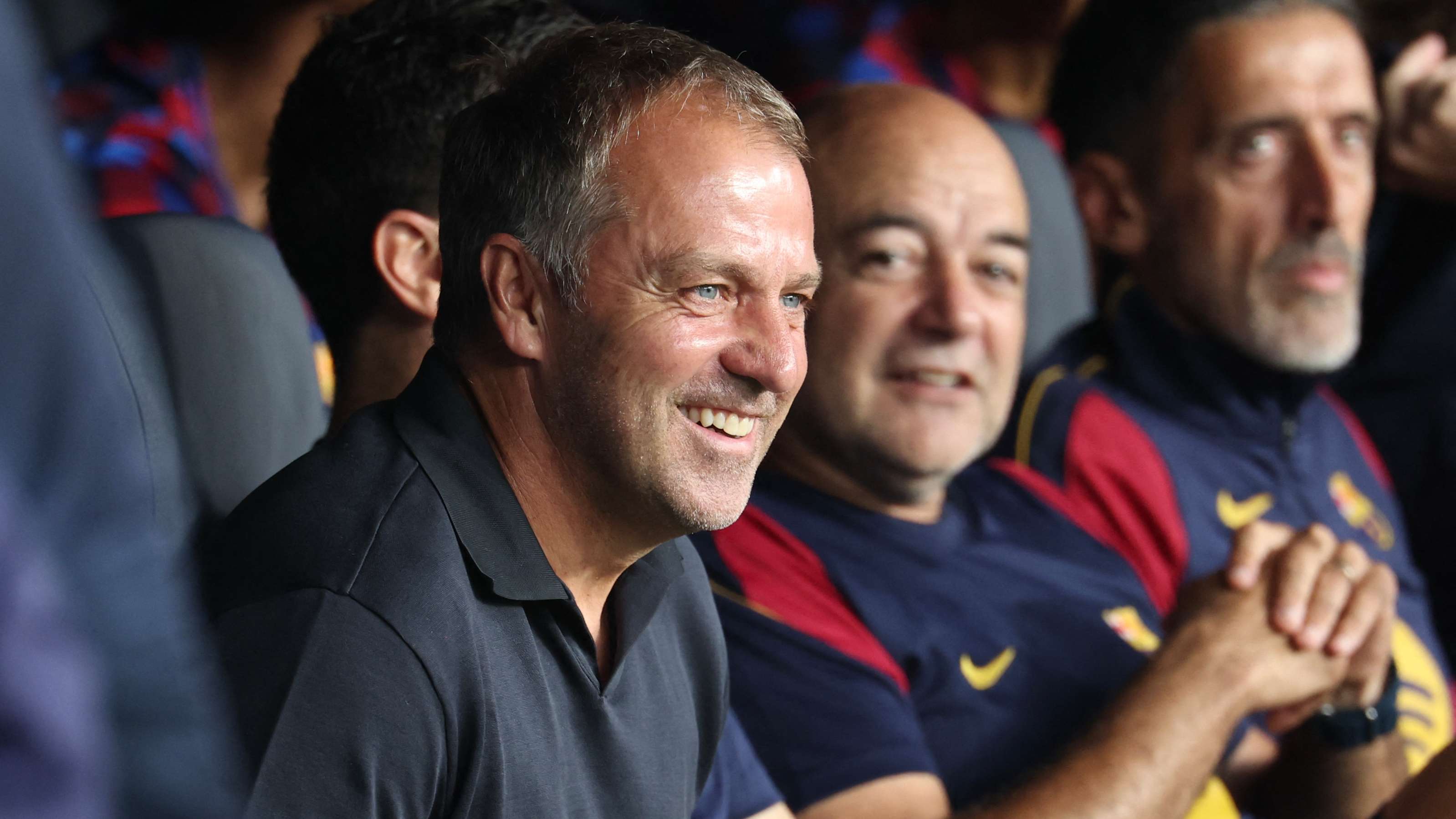
FC Barcelona has once again demonstrated why they are one of the most iconic clubs in world football, enjoying an outstanding start to the current season. Under the strategic guidance of head coach Hansi Flick, the Catalan giants have showcased exceptional form, winning their first seven matches in La Liga and making a commanding statement in the UEFA Champions League with a dominant 5-1 victory over Feyenoord. But behind this veneer of sporting excellence lies a troubling financial reality that threatens the club’s stability and future prospects.
The Football Triumphs: A Season of Momentum and Star Performances
Barcelona’s football team has ignited hope and excitement among fans and pundits alike. Raphinha has been a standout performer, netting an impressive 12 goals in the league, reinforcing his status as one of Europe’s most exciting wingers. His contributions have been crucial in maintaining Barcelona’s winning streak, which has seen the team sit comfortably at the top of La Liga standings.
Their successful start in Europe has further boosted morale, with the team securing a resounding 5-1 victory against Feyenoord, setting a positive tone for their Champions League campaign. Fans are optimistic about the club’s prediction to contend on multiple fronts this season, fueled by attacking prowess, tactical discipline, and a renewed sense of confidence.
Beyond the Pitch: The Hidden Crisis — Mounting Debt and Financial Struggles
Despite the high spirits and thrilling performances, financial analysts and insiders warn that FC Barcelona’s financial health is deteriorating rapidly. The club’s debt levels have been escalating for several years, and recent developments suggest that the situation may be reaching a critical threshold.
For nearly a decade, Barcelona’s management has engaged in a series of complex financial maneuvers—selling assets, negotiating revenue-sharing deals, and leveraging future income streams—to keep the club afloat. The overarching ambition has been to balance the books while investing heavily in infrastructure projects that will secure the club’s future prosperity.
The Ambitious “Espai Barça” Project and Its Financial Toll
At the heart of Barcelona’s financial challenges is the ambitious “Espai Barça” project—a comprehensive redevelopment of Camp Nou and its surrounding facilities. Launched in 2014, this plan aims to transform the iconic stadium into a modern, state-of-the-art sports and entertainment complex capable of seating 105,000 spectators, thereby significantly increasing matchday revenue potential.
Construction officially commenced in May 2023, but delays and unforeseen complications have hampered progress. Originally scheduled to be completed by the 2024-2025 season, the project faces an extended timeline, with the club temporarily relocating to Montjuïc for two seasons before returning to a refurbished Camp Nou in November 2025. The final phases, including installing a new roof, are now slated for the 2027-2028 season, adding further financial strain.
Massive Borrowing and Project Cost Overruns
Recent investigative reports, notably from “The Athletic,” reveal that Barcelona has approved an additional borrowing of 510 million euros to fund the project’s ongoing costs. Of this amount, 300 million euros are allocated specifically for completing the renovation of Camp Nou, while 210 million euros are designated for operational expenses and liquidity management.
This borrowing spree has catapulted the total budget for the “Espai Barça” initiative to approximately 1.8 billion euros—more than triple the initial estimate of around 600 million euros back in 2014. Such a drastic increase underscores the financial misestimations and the escalating costs associated with infrastructure upgrades in the face of delays and construction challenges.
The Debt Dilemma: A Threat to Financial Stability
The financial ramifications of these massive investments are profound. Experts estimate that Barcelona’s total debt could surpass 2.6 billion euros, a staggering figure for a club that once prided itself on financial prudence. A significant portion of this debt is linked directly to the financing of the new Camp Nou, which is expected to be a revenue-generating asset once completed.
However, servicing this debt involves substantial interest payments. The club paid approximately 91 million euros in interest during the 2025-2026 season alone. The first tranche of the new debt, totaling 105 million euros, comes with a fixed interest rate of 5.14%, adding to the mounting financial burden.
Additionally, Barcelona has secured a loan of 210 million euros guaranteed against future television revenue streams, including a notable sale of a 25% stake in La Liga’s broadcasting rights to the private investment firm Sixth Street. This move, while providing immediate liquidity, raises concerns about long-term revenue sustainability and the club’s financial independence.
The Impact of Financial Strain on Future Predictions and Football Strategy
All these financial pressures inevitably influence Barcelona’s prediction for the upcoming seasons. While on the pitch, the team continues to thrive—bolstered by star players and tactical innovation—the club’s management faces tough decisions regarding squad investments, salary management, and infrastructure funding.
In terms of football prediction, experts suggest that while the team’s current form makes them strong contenders domestically and in Europe, ongoing financial instability could hamper their ability to retain key players or invest in new signings in future transfer windows. The club’s financial health directly correlates with its ability to compete at the highest levels, making it vital for management to strike a balance between sporting ambitions and economic sustainability.
Conclusion: A Season of Success Shadowed by Financial Uncertainty
FC Barcelona’s season so far is a testament to their resilience and footballing excellence. Yet, the underlying financial crisis presents a complex challenge that could threaten their future stability. The club’s enormous debt, fueled by ambitious infrastructure projects and risky borrowing strategies, underscores the importance of sustainable financial management in modern football.
As fans revel in the team’s success and make their predictions for the rest of the season, club officials must also navigate the delicate path toward financial stability. The coming months will be critical in determining whether Barcelona can maintain their footballing dominance while managing the economic realities of their expansive vision for the future.
In the world of football prediction, Barcelona’s current form suggests a promising season ahead. However, the club’s financial health remains a key factor that could influence their trajectory—both on and off the pitch. The challenge lies in balancing sporting excellence with prudent financial planning, ensuring that the club’s glorious legacy endures well beyond the current season.