

Historic Moments in Football as Saudi League Stars Make Netherlands National Team Debut
The world of football continues to evolve, with emerging talents and shifting league dynamics reshaping the landscape of international competition. Recently, a groundbreaking event took place during the UEFA Nations League, highlighting the rising influence of the Saudi football league on the global stage. For the first time in history, two players from the Saudi league, the Roshn League, started for the Netherlands national team in a competitive match against Germany. This moment not only signifies a new chapter for Dutch football but also underscores the growing reputation and competitiveness of the Saudi league in the football prediction landscape.
Breaking Barriers: Saudi League Players Make Historic Netherlands Debut
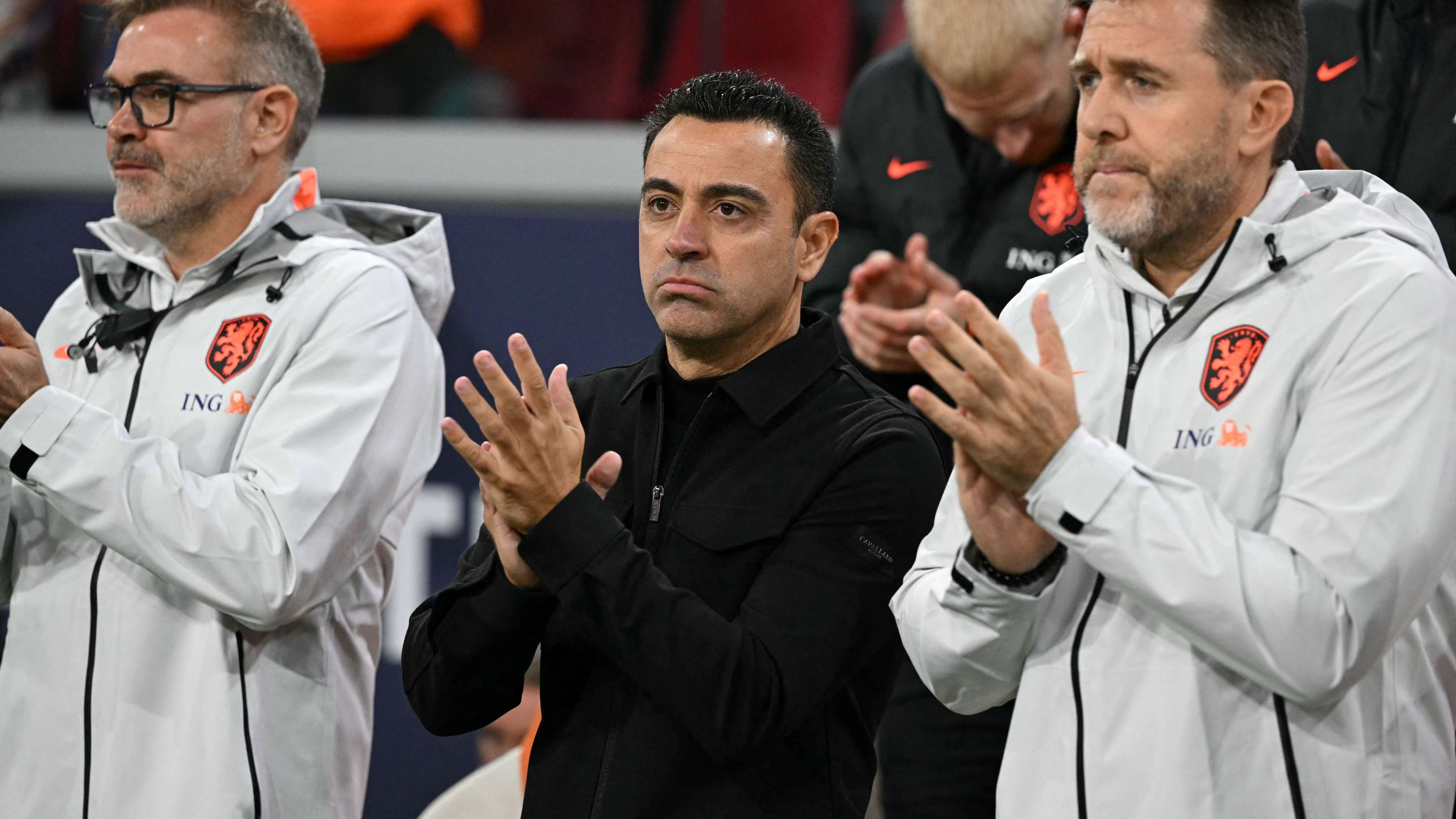
In a match that has captivated football enthusiasts worldwide, the Netherlands faced Germany in the opening round of Group Two of the 2027 UEFA Nations League. Under the new leadership of head coach Xavi Hernandez, a legendary figure in football, the Dutch team unveiled a historic starting lineup. For the first time in the history of the Netherlands national team, two players plying their trade in the Saudi league earned starting spots in a major international fixture.
The players are Crysencio Summerville, a talented winger from Al-Hilal, and Tijjani Reijnders, a versatile midfielder from Al-Qadsiah. Both athletes made significant career moves last summer, transferring from prominent European clubs—Summerville from West Ham United and Reijnders from Manchester City—to the Saudi league. Their inclusion in the starting XI not only signals their individual growth but also exemplifies the increasing recognition of the Saudi league as a competitive and talent-rich destination for footballers worldwide.
From Controversy to Inclusion: Changing Attitudes Toward the Saudi League
Historically, the Dutch national team, under former coach Ronald Koeman, maintained a cautious stance regarding players active in the Saudi league. Koeman explicitly stated that he would not consider players from the Saudi league for national team selection, citing concerns over the league’s development and the perception of its competitiveness. This stance was exemplified during the case of Steven Bergwijn, who was excelling with Al-Ittihad but was initially overlooked due to league affiliation.
However, the recent appointment of Xavi Hernandez as the Dutch head coach has marked a significant shift in philosophy. In press conferences and interviews, Xavi emphasized the strength of the Saudi league, acknowledging its rapid growth and the quality of players emerging from the region. He explicitly stated that league affiliation would no longer be a barrier for selection, provided players demonstrate their performance and fitness levels on the pitch. This open-minded approach is a testament to the evolving landscape of football prediction and talent scouting, where traditional biases are giving way to a more merit-based perspective.
The Rise of the Saudi League: A New Force in Global Football
The inclusion of Summerville and Reijnders in the Dutch national team underscores the rising stature of the Saudi football league on the international stage. Over the past few years, Saudi Arabia has invested heavily in developing its football infrastructure, attracting high-profile players and coaches, and fostering a competitive environment that rivals traditional European leagues.
This strategic push has started to bear fruit, with the Saudi league increasingly recognized for its quality of play, tactical sophistication, and emerging talent. The league’s ability to retain top players, while also attracting youth prospects and seasoned internationals, enhances its reputation and makes it a viable option for talent development. As a result, football predictions now increasingly consider the Saudi league as a legitimate source of talent, capable of influencing national team compositions and international competitions.
Implications for Football Prediction and Global Competitions
The historic debut of Saudi league players in the Netherlands national team is more than just a symbolic milestone; it has profound implications for football prediction models and international football dynamics. Statisticians and analysts now recognize the importance of including diverse league performances when forecasting team success or player potential. The rise of the Saudi league introduces new variables into football prediction algorithms, emphasizing the importance of comprehensive scouting and data analysis across different leagues.
Moreover, this development signals a shift in the competitive balance of international football. As more players from emerging leagues like Saudi Arabia’s showcase their talents on the world stage, traditional powerhouses may face more unpredictable challenges. The increased competitiveness of the Saudi league also raises questions about future transfer markets, player development pathways, and the strategic alliances between clubs and national teams worldwide.
Future Outlook: What This Means for Football Fans and Analysts
For football fans and analysts, this historic moment serves as a reminder that the sport is constantly evolving. The inclusion of Saudi league stars in the Netherlands squad exemplifies the breaking down of old barriers, paving the way for a more inclusive and dynamic football ecosystem. Fans can look forward to more such groundbreaking selections, which will enrich the diversity and unpredictability of international tournaments.
From a prediction standpoint, analysts are encouraged to adopt more holistic models that incorporate data from emerging leagues. The success stories of Summerville and Reijnders may inspire other players in the Saudi league to aim for national team recognition, further elevating the league’s profile and the quality of global football competition.
Conclusion: A New Era for Football and the Saudi League
The historic debut of Saudi league players in the Netherlands national team during the UEFA Nations League marks a pivotal moment in football history. It exemplifies the shifting perceptions about league strength and player potential, highlighting the rapid development of the Saudi football scene. As the sport continues to globalize, and as football prediction models evolve to incorporate diverse data sources, the future holds exciting possibilities for fans, players, and stakeholders alike.
With more leagues gaining prominence and players breaking traditional barriers, the beautiful game is entering a new era—one that promises increased competitiveness, richer narratives, and more opportunities for talent recognition on the global stage.