
Football Leadership and Controversies: Ángel María Villar’s Perspective on the Future of the Game
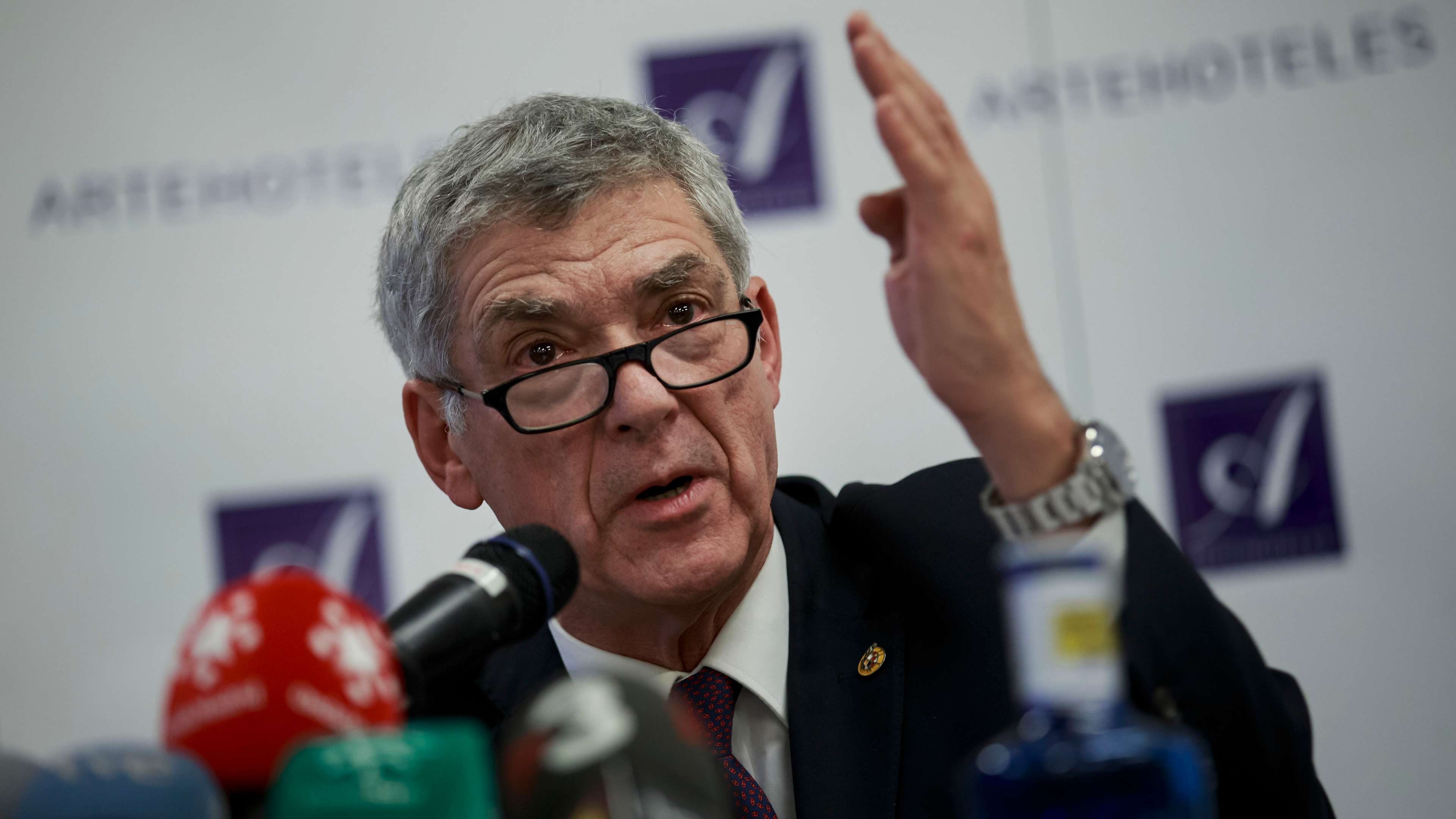
In the dynamic landscape of international football, few figures hold as much historical significance as Ángel María Villar, the former president of the Royal Spanish Football Federation (RFEF). Recently, Villar shared his candid thoughts during the inaugural day of the prestigious World Football Summit held in Madrid, offering a deep dive into current controversies, future predictions, and the evolving governance of the beautiful game.
Reflecting on a Life Dedicated to Football
With an impressive 60-year tenure immersed in football, Villar’s journey spans from being a passionate player in youth and professional categories to becoming a seasoned administrator. Speaking to the renowned sports newspaper AS, he reflected on the profound impact football has had on his life, emphasizing both the invaluable values and the sacrifices involved.
He stated, “Football has given me incredible experiences—winning European titles, becoming a world champion, and earning fame and financial stability. However, it has also taken its toll—time away from family and friends, moments of pure enjoyment, and the personal sacrifices that come with leadership roles.” This honest reflection underscores the complex relationship many football professionals navigate, balancing their passion and commitments with personal life.
Achievements and Challenges in Spanish Football
Among Villar’s notable accomplishments is his pivotal role in transforming Spanish football infrastructure. He highlighted the development of the “football city,” a state-of-the-art training complex that became a cornerstone for nurturing talent at all levels. Villar recounted how, during his tenure, the national team faced logistical challenges—training on rented external pitches—prompting him to spearhead the creation of this dedicated facility. Funded through a mix of public and private investments, the football city has since become a symbol of Spain’s football excellence, contributing significantly to youth development and national team success.
Nevertheless, Villar acknowledged certain mistakes, notably in his relationship with the media. “I hesitated and was cautious in my communication, which sometimes led to misunderstandings,” he admitted. Recognizing the importance of transparency and rapport in leadership, Villar expressed regret for not fostering a more natural and open dialogue with journalists, an aspect he considers a lesson learned.
The Controversial Negreira Case: Football Ethics and Governance
One of the most significant recent scandals in Spanish football concerns the Negreira case, which has sent shockwaves through the football community. Villar addressed this controversy with measured clarity, emphasizing the importance of understanding the facts before passing judgment.
“He was a member of the referees’ committee. We were unaware of his involvement in dealings with clubs, including Barcelona,” Villar explained. “If we had known, strict measures would have been taken. It’s important to note that during that period, multiple clubs, not just Barcelona, employed former referees to assist in various capacities.”
When questioned about potential sanctions for Barcelona or other clubs involved, Villar emphasized that any punishment must proceed through proper legal channels. “If a sporting violation is proven, it is the role of the federation’s disciplinary courts and ultimately, the Court of Arbitration for Sport (CAS). I do not possess all the documents or details to comment definitively,” he clarified. His stance underscores the need for due process and cautious handling of such sensitive allegations.
FIFA’s Leadership and Controversies: Analyzing Gianni Infantino’s Presidency
Turning his gaze towards the global governing body, Villar voiced support for FIFA President Gianni Infantino, a figure often subject to media scrutiny. “I do not appreciate the way Infantino is criticized,” Villar remarked. “Much of the criticism seems misdirected or exaggerated.”
He elaborated that some negative perceptions stem from specific decisions or proposals, such as the controversial idea to sell 30% of broadcasting rights to private entities. “While I personally find that proposal questionable, it was intended to stimulate debate, not to be immediately implemented,” he explained. “Infantino’s leadership is often misunderstood, with the media sometimes distorting his actions.”
Regarding the recent FIFA World Cup in the United States, Villar praised the tournament’s organization, highlighting the vibrant stadium atmospheres and successful execution. “The World Cup was a fantastic event, with stadiums packed to capacity—a true celebration of football,” he affirmed.
The Prediction for the 2030 World Cup: Morocco vs. Spain
The upcoming race to host the 2030 FIFA World Cup final has garnered international attention, with Morocco and Spain emerging as strong contenders. Villar shared his personal perspective on this high-stakes bidding process. “I would love for Spain to host the final,” he expressed, emphasizing the country’s rich football heritage and passionate fan base. “Every effort should be made to ensure it happens here.”
However, Villar also acknowledged the complexities of FIFA’s decision-making. “If the federation believes that holding the World Cup final elsewhere serves the interest of global football, then it’s their responsibility to act in accordance with their mandate,” he added. His words reflect a nuanced understanding of the political and logistical intricacies involved in hosting such a global event.
He further noted that he has personally made multiple offers to support Spain’s bid, though they were rejected, and remains hopeful for a favorable outcome. “I don’t want the final to be anywhere else, but ultimately, it’s about what’s best for the sport,” Villar concluded.
Conclusion: Insights into the Future of Football and Predictive Analysis
Ángel María Villar’s candid insights offer a valuable perspective on the ongoing evolution of football governance, ethics, and global tournaments. His emphasis on due process in scandals like the Negreira case highlights the importance of integrity in the sport, while his support for FIFA’s leadership reflects a nuanced view amidst ongoing criticism.
Looking ahead, football enthusiasts and analysts eagerly await the decision on the 2030 World Cup host, with predictions leaning favorably towards Spain, given its football infrastructure, passionate fan base, and historical significance. However, the final outcome will depend on FIFA’s evaluation of bids, geopolitical considerations, and the broader vision for the future of international football.
As the sport continues to grow, leadership figures like Villar remind us of the importance of balancing tradition, innovation, and integrity—elements crucial for shaping the future of football, both at the club and international levels. Fans and stakeholders alike remain hopeful that the upcoming tournaments will uphold the sport’s values, deliver unforgettable moments, and promote the beautiful game worldwide.