
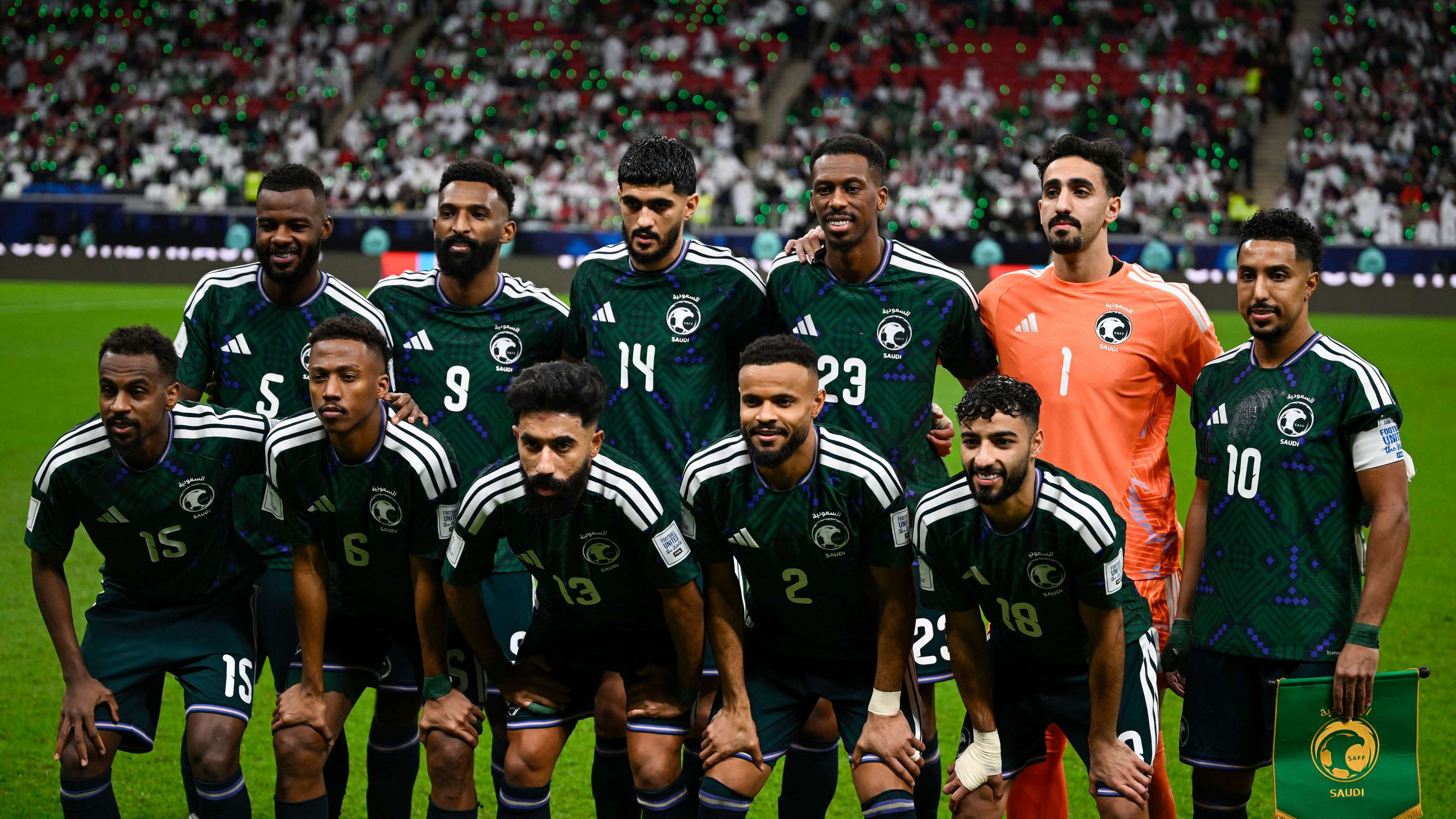

Saudi Arabia’s Storied Legacy in the Gulf Cup: What Awaits the Men in Green?
For decades, Saudi Arabia has established itself as a dominant force in Gulf football, leaving an indelible mark on one of the region’s most prestigious tournaments—the Gulf Cup of Nations. With a history rich in triumphs, intense rivalries, and memorable moments, the Saudi national team continues to be a formidable contender in every edition. As fans and analysts gear up for upcoming tournaments, the question remains: what can we expect from Saudi Arabia in the next chapter of their Gulf Cup journey? And more importantly, what does their past tell us about future predictions?
Historical Milestones: The Rise of Saudi Arabia in the Gulf Cup
Saudi Arabia’s journey in the Gulf Cup has been marked by remarkable achievements and periods of consistent excellence. Their first major breakthrough came in 1994, a year that would forever be remembered in the annals of Saudi football. Prior to this, the team had shown potential, but it was their triumph in the 12th edition of the tournament held in the United Arab Emirates that truly put them on the regional football map.
The Historic 1994 Victory: A New Dawn for Saudi Football
Under the leadership of coach Mohammed Al-Kharashi, the Saudi team faced fierce competition in a format that favored a single round-robin league. They went head-to-head against regional rivals, displaying resilience and tactical discipline. Finishing top of the table with 9 points—earned through four wins and a single draw—they secured their first Gulf Cup title in history. This victory was not just a trophy; it symbolized Saudi Arabia’s emergence as a serious contender among Gulf football giants.
Key Highlights:
- First Gulf Cup win for Saudi Arabia
- Solid team performance with 4 wins and 1 draw
- Coach Mohammed Al-Kharashi’s strategic leadership
- Victory hosted in Abu Dhabi, boosting national pride
Home Soil Glory: The 2002 Triumph in Riyadh
After nearly a decade without a Gulf Cup title, Saudi Arabia returned to the top in 2002, with the tournament hosted domestically in Riyadh. This victory was particularly special, as it allowed fans to witness their team’s triumph firsthand, creating an electrifying atmosphere in the capital city. Under coach Nasser Al-Johar, the team displayed a blend of tactical finesse and youthful energy, finishing the tournament with a commanding record of four wins and two draws, accumulating 14 points.
This win was a testament to the team’s resilience and growing confidence. The home victory not only added a significant trophy to their collection but also revitalized football enthusiasm across the nation. It was a moment of national pride that reinforced Saudi Arabia’s reputation as a regional football powerhouse.
Back-to-Back Success: The 2003 Gulf Cup in Kuwait
Building on their momentum, Saudi Arabia achieved an extraordinary feat by defending their title successfully just a year later in 2003. Hosted in Kuwait, this edition saw the team once again dominate the competition, finishing with an impeccable record of four wins and two draws, earning 14 points. This consecutive triumph marked Saudi Arabia’s third Gulf Cup victory and underscored their consistency and ability to perform under pressure.
Led by coach Nasser Al-Johar, the team demonstrated tactical maturity and mental toughness. Retaining the trophy in such a competitive environment solidified Saudi Arabia’s status among regional football elites and demonstrated their capacity for sustained excellence.
Saudi Arabia’s Gulf Cup Record: A Legacy of Excellence
Beyond their three titles in 1994, 2002, and 2003, Saudi Arabia has consistently been a formidable presence in the Gulf Cup. The team has reached the final on seven additional occasions—namely in 1972, 1974, 1998, 2009, 2010, 2014, and 2019—highlighting their enduring competitiveness. This record of seven runner-up finishes, combined with their three championships, showcases a team that regularly contends for top honors across generations.
Their history is woven with dramatic matches, fierce rivalries—especially with Kuwait and Qatar—and moments of individual brilliance. This legacy not only fuels the ambitions of current squads but also shapes the predictions for upcoming tournaments.
What Do Future Predictions Look Like for Saudi Arabia in the Gulf Cup?
As the Gulf Cup continues to evolve, so too does the strategic landscape of regional football. Recent years have seen the rise of new powerhouses like Qatar and Iraq, challenging the traditional dominance of Saudi Arabia. However, based on their historical resilience and ongoing investment in youth development, the Saudi national team remains a strong contender.
Expert football predictions suggest that Saudi Arabia’s chances in future Gulf Cups will depend on several factors:
- Team Cohesion and Tactical Adaptability: Modern football demands flexibility. Saudi coaches are increasingly integrating innovative tactics, blending traditional strength with modern approaches.
- Youth Development and Scouting: The emergence of talented young players can be a game-changer, providing fresh energy and new skills to the squad.
- Experience in High-Pressure Matches: Past success in finals and knockout stages gives the team a mental edge, crucial in tight matches.
Key Players to Watch and Strategic Insights
Looking ahead, the spotlight will be on emerging talents who could influence the outcome of future Gulf Cups. Players with international experience, especially those competing in top European leagues, bring valuable expertise and confidence. Additionally, seasoned veterans who have previously lifted the trophy or played pivotal roles in decisive matches are expected to be vital for Saudi Arabia’s success.
From a strategic perspective, Saudi coaches are increasingly emphasizing tactical discipline, set-piece mastery, and defensive solidity—traits that have historically underpinned their successful campaigns. Prediction models indicate that if these elements are combined with their attacking prowess, Saudi Arabia could once again be a favorite to lift the Gulf Cup trophy.
Conclusion: A Future Built on a Rich Past
Saudi Arabia’s football journey in the Gulf Cup is a testament to resilience, strategic evolution, and national pride. Their three titles in 1994, 2002, and 2003 stand as milestones in a history filled with competitive spirit and memorable moments. As they prepare for upcoming editions, the echoes of their past successes serve as both motivation and a blueprint for future triumphs.
While the landscape of Gulf football continues to shift with emerging talents and new rivals, Saudi Arabia’s rich legacy provides a solid foundation. Fans and analysts alike will be watching keenly, making predictions based on past performances and current developments. Ultimately, the story of Saudi football in the Gulf Cup is one of enduring excellence—one that promises exciting chapters ahead.