
The Intriguing Intersection of Football Scandals: Manchester City and Barcelona’s Negreira Case Shake the Sport’s Foundations
In recent years, football has been rocked by high-profile scandals that threaten the integrity and fairness of the beautiful game. Two cases, in particular, have captured global attention: the ongoing investigation into Manchester City’s alleged breaches of financial fair play (FFP) regulations in England, and the notorious Negreira case involving FC Barcelona in Spain. These incidents not only challenge the reputation of these clubs but also raise profound questions about the mechanisms that safeguard the sport’s integrity worldwide. As the football community awaits decisive rulings, the outcomes of these cases could redefine the landscape of professional football and impact predictions for upcoming matches across Europe.
Manchester City and the Financial Fair Play Controversy: A Battle of Regulations and Reputation
The Core of the Allegation
Manchester City, one of the most prominent clubs in the Premier League, stands accused of committing a staggering 114 breaches of financial fair play rules. These regulations are designed to promote transparency and fairness by ensuring clubs present an accurate picture of their financial health. The charges, which span from 2009 to 2018, involve a variety of alleged violations, including undisclosed payments, inflated sponsorship deals, and attempts to disguise owners’ contributions as legitimate income.
The core of the controversy hinges on whether City sought to gain an unfair competitive advantage by circumventing the financial controls that are fundamental to maintaining a level playing field in English and European football. This case has drawn widespread attention, especially as UEFA initially imposed a two-year ban and a €30 million fine in 2020 for similar breaches related to sponsorship data falsification. Although the Court of Arbitration for Sport (CAS) later reduced the penalty to a financial fine, the case continues to evolve, with many questioning the long-term repercussions for the club and the Premier League itself.
The Broader Implications for Prediction and Competition
For football fans and pundits, the Manchester City saga significantly influences predictions for future matches and tournament outcomes. A potential points deduction, relegation, or even a ban from European competitions could drastically alter the Premier League standings. Historically, clubs found guilty of financial misconduct have faced sanctions that impact team composition, fan morale, and commercial revenues. As the investigation unfolds, bookmakers and analysts are revising their predictions, considering the possibility of City’s temporary or permanent exclusion from prestigious tournaments.
Moreover, this case underscores the importance of financial regulation in football’s competitive balance. If City is found guilty, it could set a precedent that encourages stricter oversight and more rigorous enforcement, ensuring that future predictions for matches are based on genuine sporting merit rather than financial manipulation.
The Negreira Case: A Deep Dive into Alleged Referee Bribery and Its Impact
The Accusation and Its Significance
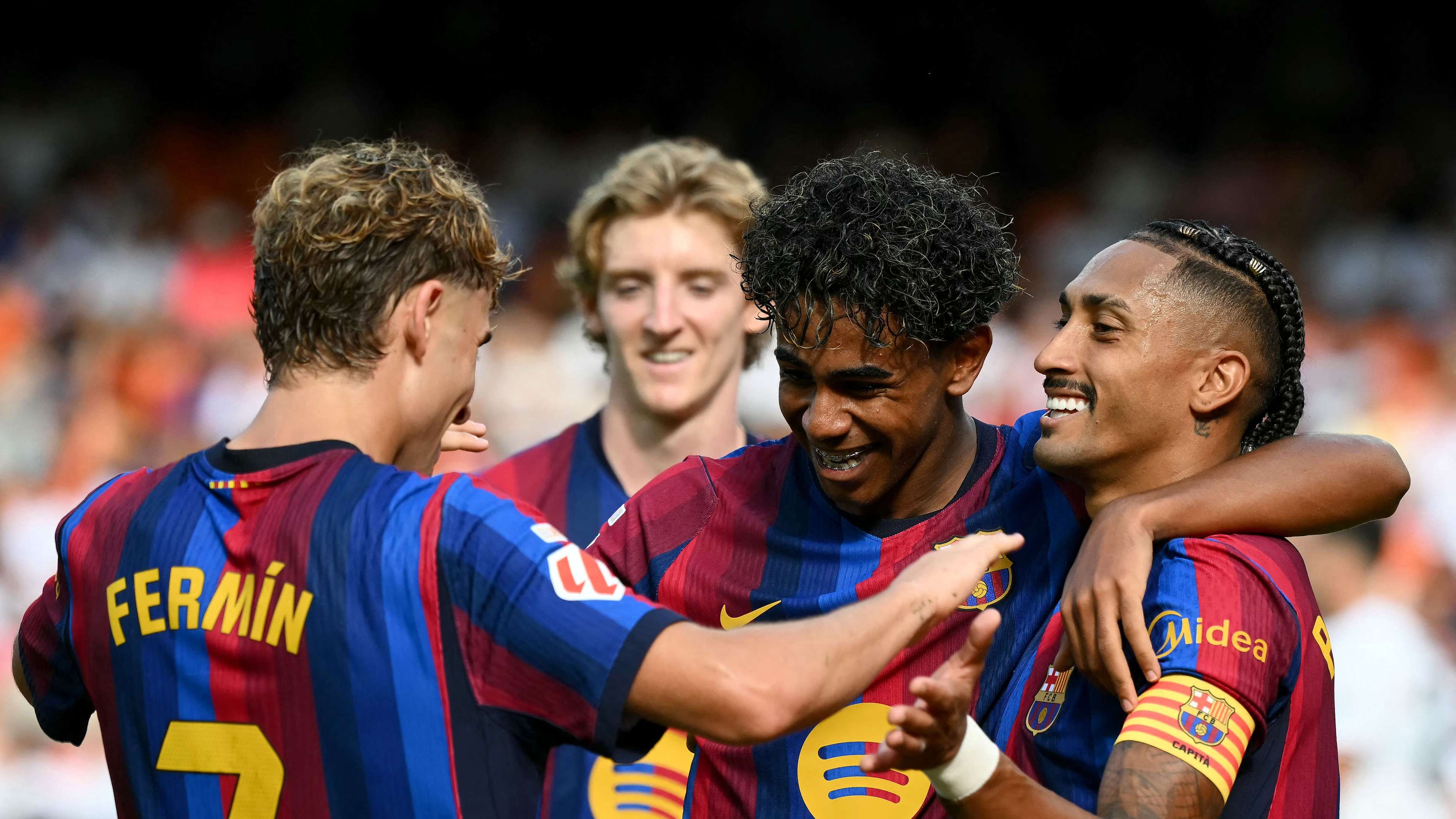
Meanwhile, Spain’s football scandal involving FC Barcelona, known as the Negreira case, revolves around allegations that the club attempted to influence refereeing decisions through bribery. The controversy has been described by many as the most serious incident of corruption in professional sports worldwide. The case alleges that Barcelona paid a former referee chief, Enríque Negreira, to obtain favorable officiating, thereby skewing match results in their favor over a span of more than a decade.
Real Madrid, Barcelona’s historic rival, has been particularly vocal, submitting over 50,000 pages of documents to UEFA as part of their investigation, demanding Barcelona be stripped of titles won between 2001 and 2017. The Spanish courts are also involved, with investigations ongoing despite the statute of limitations having expired under Spanish law. UEFA, however, has maintained an open stance, waiting for judicial rulings before taking disciplinary action.
The Broader Context and Predictions
The Negreira case shakes the core of football’s moral authority. If proven true, it would represent a profound betrayal of the sport’s fundamental principles of fairness and integrity. UEFA’s potential sanctions could range from suspensions to stripping titles, similar to historic cases such as Juventus’ relegation in 2007, which was based on manipulation of refereeing rather than direct bribes.
For football prediction enthusiasts, this scandal raises questions about the legitimacy of past results. Could some of Barcelona’s triumphs be compromised? Will future predictions for La Liga matches change based on the possibility of sanctions? These are questions that fans, analysts, and betting companies are actively debating, understanding that the outcome could reshape perceptions of fairness in Spanish football.
Contrasting the Two Cases: Different Jurisdictions, Different Outcomes
Why Is the Spanish Case Still Pending?
One of the most intriguing aspects of these scandals is the differing pace and approach of judicial and sporting authorities. While Manchester City faces imminent or ongoing sanctions from the Premier League and UEFA, the Negreira case in Spain remains in a state of limbo. Spanish authorities have not yet issued definitive penalties, partly due to the expiration of statutes of limitations. Conversely, UEFA continues to investigate, with potential disciplinary actions still on the table.
This discrepancy prompts questions about the effectiveness of different football governance structures. Why is the English case moving faster toward resolution, while the Spanish case lingers? Could this disparity influence the future of prediction models, with bettors and analysts adjusting their forecasts based on perceived likelihoods of sanctions?
Implications for the Future of Football Governance
These cases underline the critical need for unified, transparent, and timely responses from football authorities worldwide. The integrity of predictions—whether for match outcomes, betting odds, or tournament futures—depends heavily on the perceived fairness and accountability of governing bodies. As UEFA and national leagues refine their disciplinary procedures, the sport’s prediction ecosystem will adapt accordingly, incorporating new variables such as ongoing investigations and potential sanctions.
The Broader Impact on Football’s Reputation and Prediction Strategies
The scandals involving Manchester City and Barcelona’s Negreira case are more than isolated incidents—they are wake-up calls for the entire football community. Fans, bettors, and analysts must consider the influence of financial misconduct and corruption when making predictions for upcoming matches. The integrity of football hinges on the transparency and fairness of its governance.
In the coming months, as UEFA and national authorities deliver rulings, the landscape of football prediction will evolve. Expect increased emphasis on the credibility of clubs, the reliability of refereeing, and the robustness of regulatory frameworks. For bettors, understanding these scandals is crucial for making informed predictions, especially in high-stakes tournaments like the Champions League and La Liga.
Conclusion: A Turning Point for Football’s Future
As the Manchester City and Barcelona cases unfold, their outcomes will resonate far beyond disciplinary boards and courtrooms. They represent a pivotal moment in football’s ongoing struggle to uphold fairness, transparency, and integrity. For fans and prediction enthusiasts alike, staying informed about these developments is essential. The sport’s future depends on whether the authorities can restore confidence and ensure that the beautiful game remains truly fair and competitive.
In the end, football’s greatest prediction is that justice will be served, and the sport will emerge stronger from its most challenging scandals. Until then, every match, every goal, and every decision will be scrutinized through the lens of these historic cases, shaping the predictions and narratives of football for years to come.