
Pierre-Emerick Aubameyang’s Departure from Gabon National Team: A Controversial Ending and Its Impact on Football Prediction
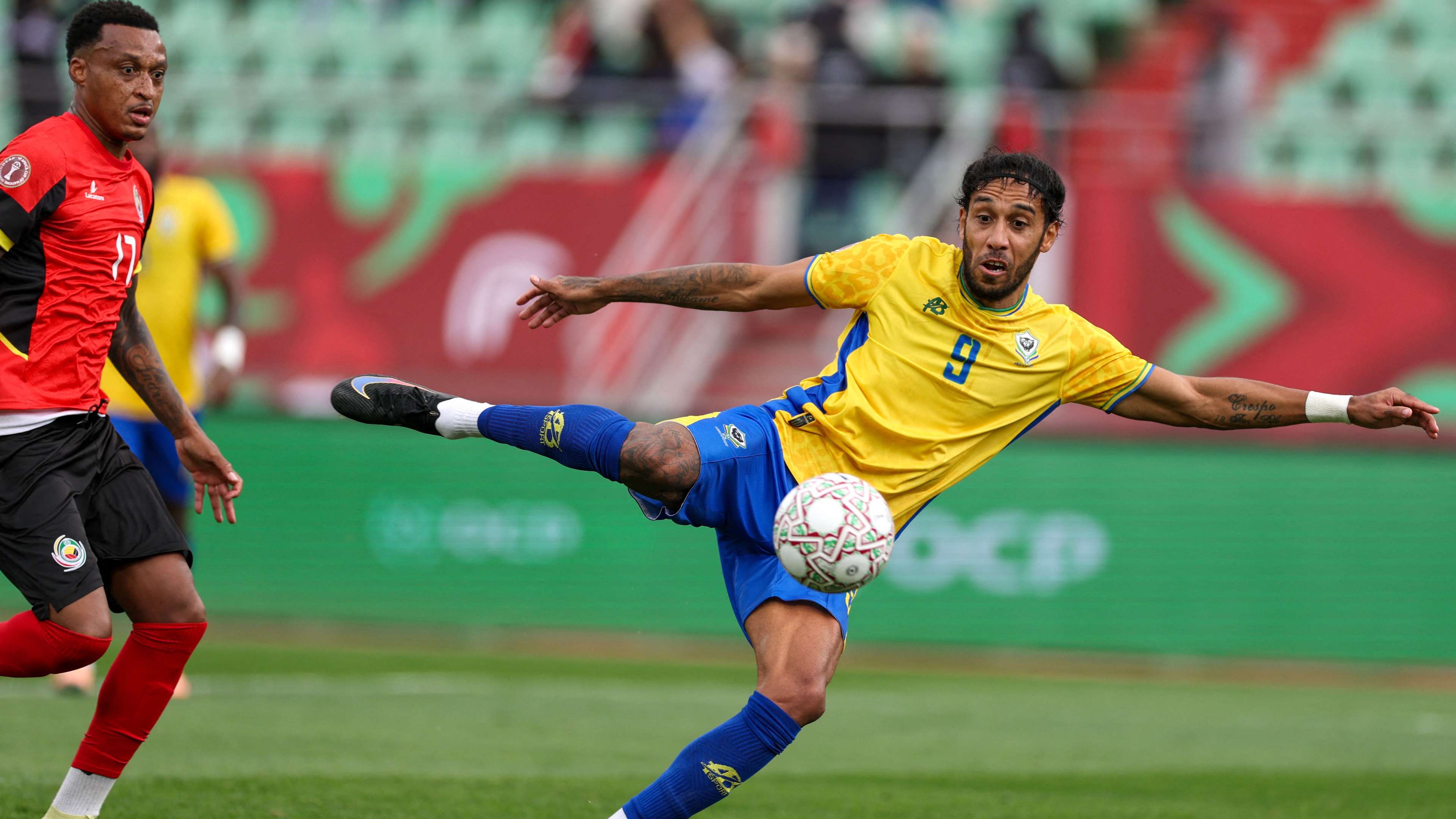
In a dramatic turn of events that has sent shockwaves through the football world, Pierre-Emerick Aubameyang, Gabon’s all-time leading goal scorer and captain, has officially announced his withdrawal from the national team. The decision comes amidst mounting frustrations and a sense of betrayal following his contentious treatment by football authorities after the team’s disappointing exit from the 2025 Africa Cup of Nations (AFCON) held in Morocco.
The Breakdown of a Storied Career and Rising Tensions
At 37 years old, Aubameyang has been a pivotal figure in African football, renowned for his goal-scoring prowess, speed, and leadership qualities. His decision to step back from international duty reflects a complex mixture of personal disappointment, perceived injustice, and a desire to focus on his club career. In an exclusive interview with French broadcaster RMC, Aubameyang expressed his feelings candidly, stating:
“They humiliated me and tarnished my image, even though I took part in the Africa Cup of Nations while injured. That was the final straw, and I would rather stop here.”
This statement underscores the emotional toll the recent events have taken on the veteran striker, who has dedicated much of his professional life to representing Gabon on the international stage. His withdrawal not only signifies a personal milestone but also raises questions about the future of Gabonese football and the stability of their national team leadership.
Controversies Surrounding Gabon’s AFCON Exit
The 2025 AFCON campaign was fraught with challenges for Gabon, culminating in a group-stage elimination after three narrow defeats, including a heartbreaking 2-3 loss to Ivory Coast. These results cast a shadow over the team’s performance and sparked intense debate within the football community and among fans. Gabonese President Brice Clotaire Oligui Nguema publicly lamented the defeat, describing it as a blow to the country’s national identity.
Following the exit, the Gabonese government took drastic measures, dissolving the national technical staff and suspending all team activities until further notice. Notably, Aubameyang and veteran defender Bruno Ecuele Manga were excluded from future selections—moves that ignited a wave of anger and disappointment among supporters who see these decisions as unjust and detrimental to the team’s morale.
In response, Aubameyang defended his involvement during the tournament, emphasizing that the team’s problems were systemic:
“I believe the national team’s problems run much deeper than my humble self.”
The Political and Social Fallout
The aftermath of Gabon’s AFCON failure extended beyond football, touching on national identity and political stability. The president’s remarks highlighted the importance of football as a unifying force in Gabon, and his subsequent decisions aimed at restructuring the football federation. However, these upheavals have left the national team in a state of uncertainty, with upcoming qualifiers for the 2027 Africa Cup of Nations now seemingly more challenging than ever.
A New Chapter: Aubameyang’s Return to European Football with Deportivo La Coruña
While his international career faces an uncertain future, Aubameyang is embracing a new chapter in his club career. Recently, he left Olympique de Marseille—a club he joined after leaving Chelsea—and returned to Spain to play for Deportivo La Coruña, a historic club newly promoted to La Liga after years in the lower divisions. Since his arrival, the Gabonese striker has already made a notable impact, netting three goals in his initial matches, showcasing his enduring goal-scoring instincts and professionalism.
This move not only revitalizes Aubameyang’s career but also influences football prediction models. His performance and form are now critical variables in forecasting Deportivo’s success in La Liga, as well as Gabon’s prospects in upcoming Africa Cup of Nations qualifiers.
The Road Ahead: Africa Cup of Nations Qualifications and the Role of Football Prediction
Gabon’s journey toward qualifying for the 2027 Africa Cup of Nations, scheduled for Kenya, Tanzania, and Uganda from June 19 to July 17, 2027, is now more unpredictable than ever. Without their seasoned captain, coach Sébastien Migné faces the challenge of assembling a cohesive squad capable of competing at the continental level. The upcoming qualifier against Morocco on September 23, 2026, marks a critical test for Gabonese football and offers an opportunity to reassess their strategies.
From a football prediction standpoint, these developments introduce new variables that analysts and betting companies must consider. Aubameyang’s absence alters the expected scoring potential of Gabonese matches, while his recent club form with Deportivo adds a fresh dimension to forecasting their future performances.
Implications for Football Fans and Analysts
This controversy underscores the importance of leadership, player welfare, and transparent management in football. Fans worldwide are keenly watching how Gabonese football evolves without their star player, and how Aubameyang’s career trajectory unfolds in Spain. Moreover, it offers valuable insights into the interconnectedness of club and international football, emphasizing that player form and confidence significantly influence prediction models and betting odds.
Football experts and prediction enthusiasts recognize that the departure of a key figure like Aubameyang can dramatically shift the landscape of African football tournaments and European leagues alike. As the sport continues to grow globally, understanding these nuanced stories becomes essential for making accurate predictions and gaining a comprehensive view of the sport’s dynamics.
Conclusion: A Pivotal Moment in Gabonese and African Football
Pierre-Emerick Aubameyang’s decision to step away from the Gabon national team marks a pivotal moment in African football history. It reflects broader issues within national sports governance, athlete-player relationships, and the quest for national identity through sport. For football prediction aficionados, this turn of events introduces new challenges and opportunities to refine models, considering changes in player availability, team dynamics, and tournament prospects.
As Gabon prepares for upcoming qualifiers without their iconic captain, the football community worldwide remains attentive to the unfolding story—an enduring testament to the passion, politics, and unpredictability that make football the beautiful game. Whether Aubameyang will return to the international stage or focus solely on club football remains to be seen, but his influence on the sport’s landscape continues to resonate far beyond the pitch.
Stay tuned for more updates and expert analysis on football prediction, player movements, and international tournaments in the evolving world of football.
For in-depth discussions and the latest news, visit the “Kooora” forums and join the global conversation shaping the future of football.