
Old Rivalries Resurface: Salman Al-Faraj Takes a Jibe at Roberto Mancini Following Italy’s UEFA Nations League Defeat
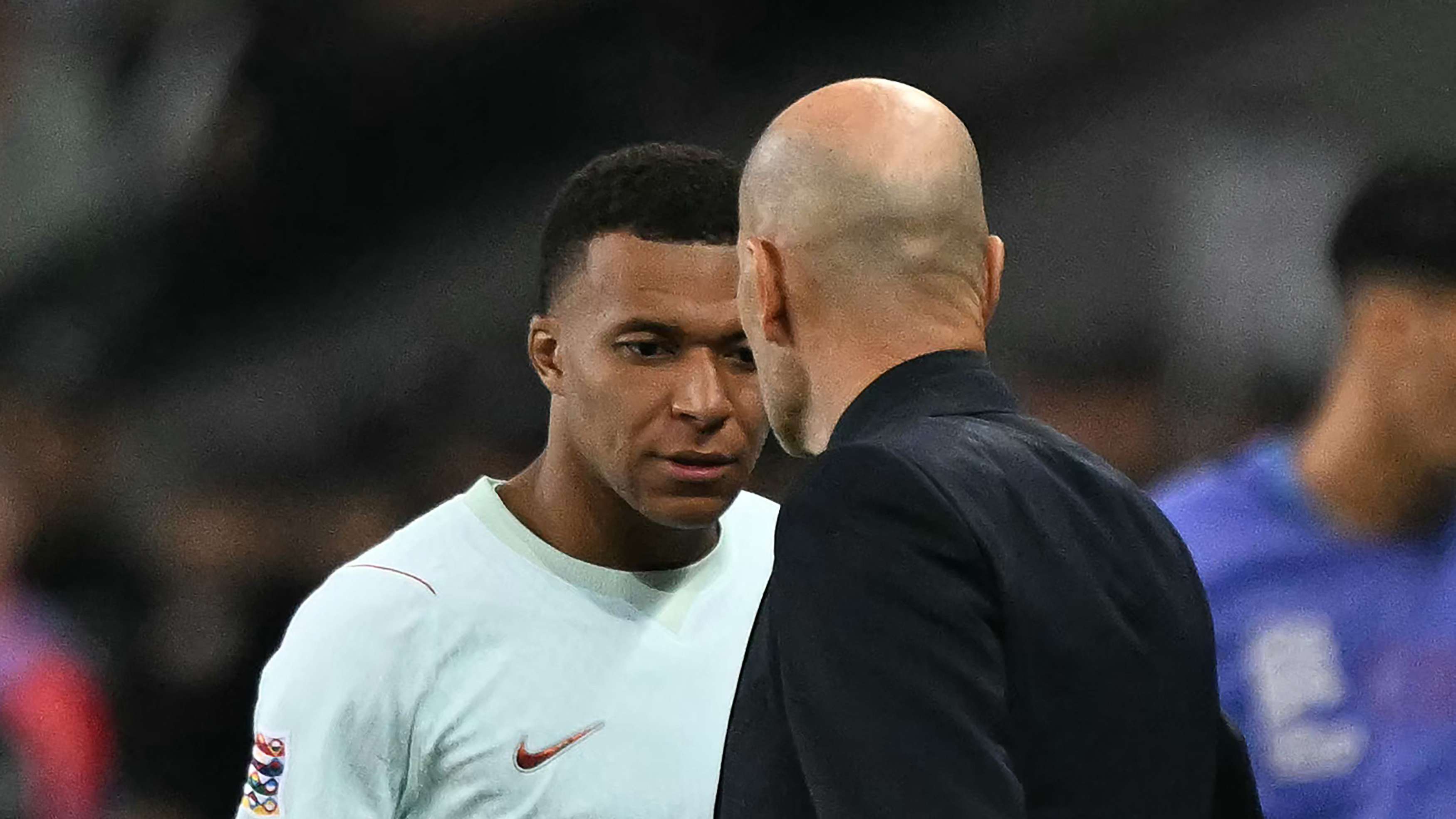
The world of football is no stranger to heated rivalries, controversial exchanges, and fiery exchanges that often transcend the pitch. Recently, one such episode has reignited an old feud between two prominent figures—Saudi football icon Salman Al-Faraj and Italian national team coach Roberto Mancini. This latest chapter was sparked by Italy’s disappointing 2-0 loss to Belgium in their UEFA Nations League opener, a result that provided Al-Faraj with a platform to reassert his criticisms of Mancini, who has a controversial history with the Saudi footballing community.
Background of the Feud: From Saudi Arabia to Italy
The roots of this rivalry trace back to a turbulent period during Mancini’s tenure with the Saudi national team. In August 2023, Mancini was appointed as the head coach of Saudi Arabia, succeeding Hervé Renard. His arrival was met with high expectations, given his illustrious coaching career, which includes winning the UEFA European Championship with Italy in 2021. However, his stint with Saudi Arabia quickly became embroiled in controversy, especially surrounding his handling of key players and team selections.
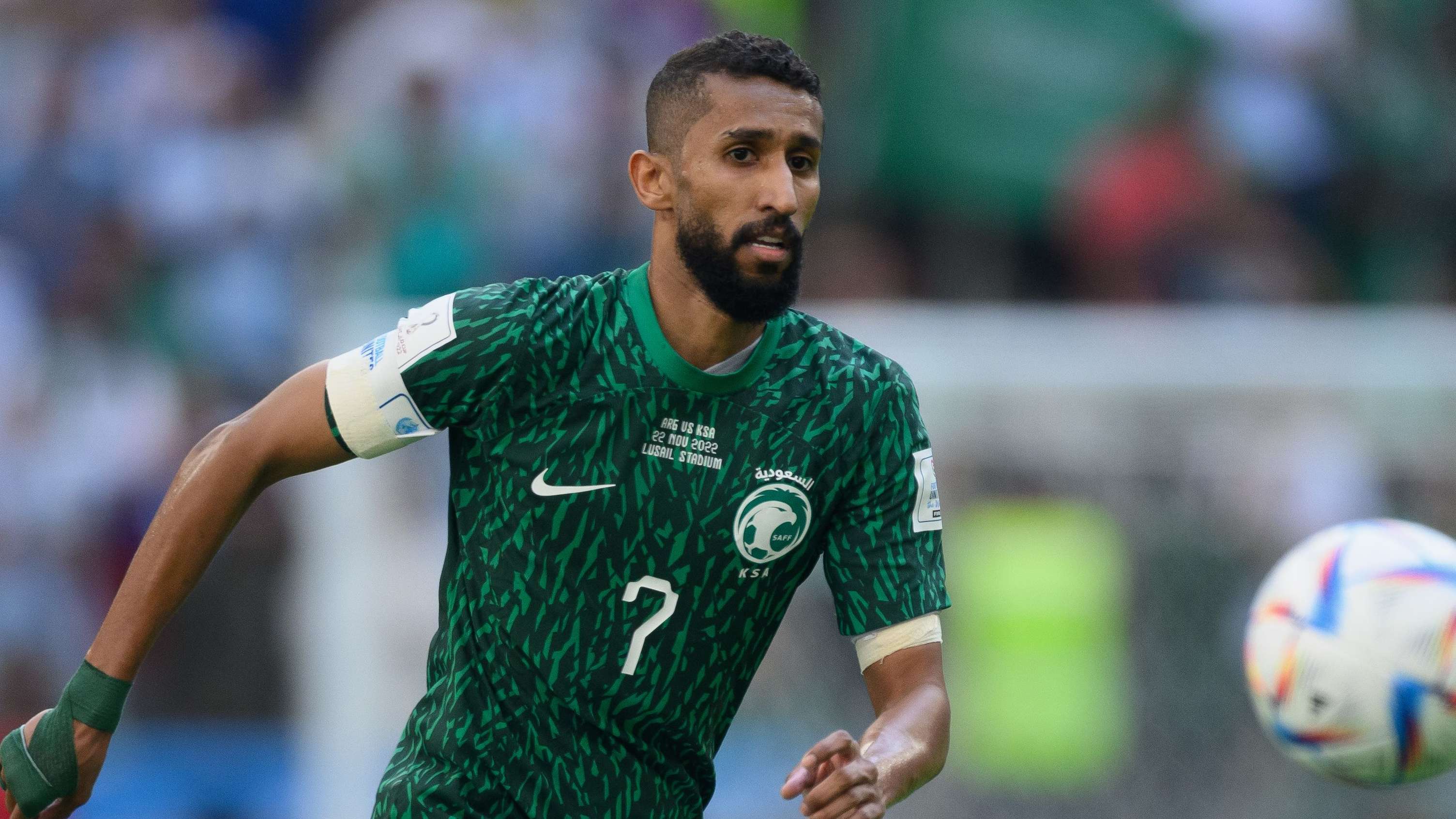
One of the most notable figures caught in this storm was Salman Al-Faraj, the captain of Al-Hilal and a revered veteran of the Saudi national team. Al-Faraj, known for his leadership qualities and tactical intelligence, was called up to the Saudi squad under Mancini’s management. His participation, however, was marred by injury setbacks and disagreements over team selection and communication.
The Catalyst: The 2023 Asian Cup and Dispute Over Player Selection
The tension between Al-Faraj and Mancini reached a boiling point during the preparations for the 2023 Asian Cup in Qatar. After being called up for the national camp, Al-Faraj featured as a substitute in a friendly match against Nigeria and later started in another against Mali—only to be forced off the field due to injury. Meanwhile, Mancini made the contentious decision to exclude Al-Faraj from the final squad for the tournament.
The official explanation from Mancini was that Al-Faraj had opted not to participate in certain friendly matches, implying reluctance or lack of commitment. However, Al-Faraj vehemently denied these claims, asserting that he had expressed his desire to serve and represent Saudi Arabia, emphasizing his deep passion for the national team. This disagreement escalated into official channels when the Saudi Football Federation launched an investigation into Mancini’s statements and decisions.
Ultimately, the Professionalism Committee of Saudi Arabia fined Al-Faraj 100,000 Saudi riyals after determining he had shown an unwillingness to join the national team following his call-up. Despite the financial penalty and official judgments, the controversy continued to simmer beneath the surface, symbolizing a fractured relationship between the player and coach that extended beyond mere disagreements over team selection.
Recent Developments: Italy’s Defeat and a Sarcastic Response
Fast forward to the recent UEFA Nations League match, where Italy suffered a 2-0 defeat at the hands of Belgium. The loss was seen by many as a poor start to Italy’s campaign, raising questions about the team’s tactics and managerial decisions under Mancini’s leadership. Seizing the moment, Salman Al-Faraj took to Snapchat to deliver a pointed, sarcastic message aimed at Mancini, reigniting old tensions.
In his post, Al-Faraj wrote, “Well done Belgium, they gave him a proper thrashing. This man who doesn’t know how to coach yet keeps giving instructions,” directly referencing Mancini’s managerial style and tactical choices. His comments were interpreted as a subtle yet sharp critique of the Italian coach, hinting that Mancini’s coaching might be fundamentally flawed—an echo of the criticism he had voiced during his turbulent time with Saudi Arabia.
Analyzing the Significance of the Prediction and the Broader Context
Football predictions often hinge on analyzing team form, tactical setups, and player performances. In this case, Al-Faraj’s comment can be seen as a form of football prediction—implying that Italy’s coaching strategies under Mancini may not be sufficient to secure victory against top European teams like Belgium. The loss, coupled with Al-Faraj’s words, underscores the ongoing debate about Mancini’s tactical acumen and the future prospects of the Italian national team.
The incident also highlights how personal rivalries can influence public perceptions of football predictions. In the world of football, where fans and pundits constantly debate the outcomes of matches, such exchanges add a layer of drama that captivates audiences worldwide. Al-Faraj’s jab not only revives the old feud but also serves as a reminder of how football is intertwined with personal narratives, national pride, and the quest for supremacy on the pitch.
The Underlying Implications for Saudi and Italian Football
The resurgence of this feud has broader implications beyond individual egos. For Saudi football, Al-Faraj’s comments and the previous controversy with Mancini highlight ongoing debates about player-coach relationships, management styles, and national team strategies. The Saudi Football Federation continues to invest heavily in building a competitive team, often bringing in high-profile coaches from Europe and beyond. These decisions sometimes clash with the perspectives of seasoned players like Al-Faraj, who possess invaluable experience and leadership qualities.
Meanwhile, for Italy, the loss to Belgium under Mancini’s guidance raises questions about the team’s tactical evolution and readiness for major tournaments. While Italy remains a football powerhouse with a storied history, recent performances have prompted discussions about whether Mancini’s tactics are outdated or if there’s a need for fresh ideas to rejuvenate the squad.
Looking Ahead: The Future of Football Predictions in a Heated Rivalry
As football continues to evolve, predictions about match outcomes are increasingly influenced by off-field narratives, personal rivalries, and social media exchanges. Salman Al-Faraj’s recent comments exemplify how players and fans alike use social platforms to voice opinions, challenge coaching decisions, and shape the narrative surrounding international fixtures.
For enthusiasts and analysts, this ongoing rivalry offers a fascinating case study in how individual stories and team performances intertwine to create compelling football drama. Moving forward, football prediction models must factor in these human elements, recognizing that behind every tactical setup and match result are personal ambitions, conflicts, and narratives that influence the beautiful game.
Conclusion
The resurfacing of Salman Al-Faraj’s sarcastic remark following Italy’s defeat to Belgium underscores the enduring nature of football rivalries and the deep emotional connections players and fans have with the game. It also illustrates how personal conflicts can influence public perceptions and predictions in football, shaping the narrative of national teams and their prospects in major tournaments.
As both Saudi Arabia and Italy navigate their respective football journeys, this episode serves as a reminder that the sport is much more than just scores and statistics; it’s a tapestry woven with stories of ambition, controversy, and resilience. Whether in predicting match outcomes or analyzing team strategies, understanding these human elements enriches our appreciation of football’s complexity and excitement.