
Tottenham Manager Under Fire After Champions League Disaster
Tottenham Hotspur’s interim manager, Igor Tudor, is currently facing a wave of criticism following his controversial decision-making during a disastrous Champions League night in Atletico Madrid. The spotlight is on Tudor’s handling of young goalkeeper Antonin Kinsky, which has sparked outrage among fans and former players.
A Risky Gamble Gone Wrong
As the pressure mounted on Tudor to secure a crucial victory in the Champions League, the interim boss made a bold move by giving 22-year-old Czech Republic goalkeeper Antonin Kinsky his first major European start. This decision came as a surprise to many, as Kinsky was chosen over the more experienced Guglielmo Vicario.
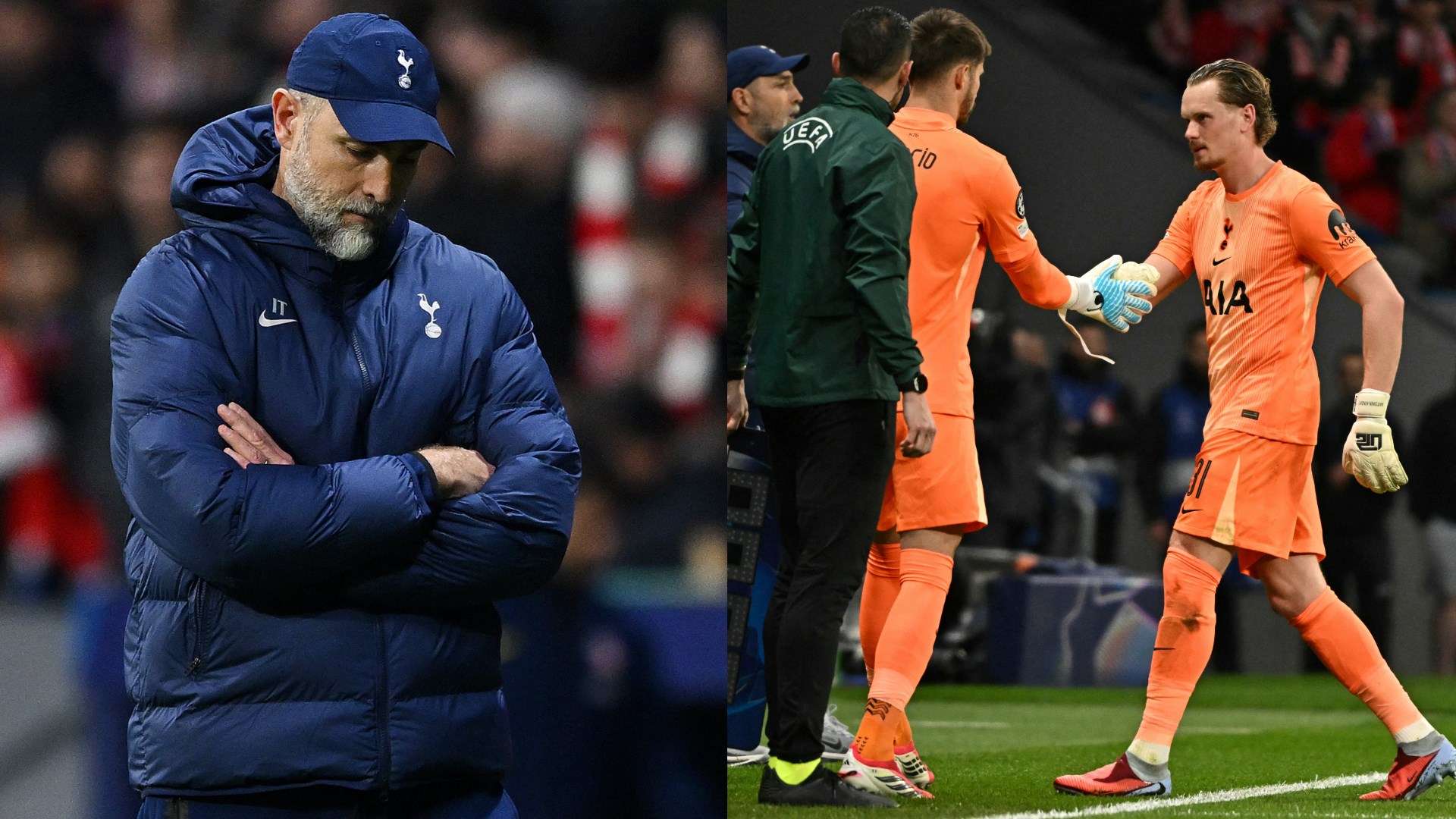
However, the gamble backfired spectacularly as Kinsky struggled to cope with the high-pressure environment of the match. Within the first 20 minutes of the game, Tudor was forced to make a swift decision and substituted Kinsky out of the game. The young goalkeeper’s performance raised questions about Tudor’s judgement and management skills.
Controversy on and off the Pitch
Adding fuel to the fire, Tudor’s handling of the situation did not sit well with fans and former players. Notably, ex-Tottenham goalkeeper Joe Hart expressed his disappointment with Tudor’s apparent disregard for Kinsky as he was substituted out of the game. The lack of communication and support from Tudor towards Kinsky only intensified the backlash against the interim manager.
The incident has sparked a debate among fans and pundits about the importance of proper player management and decision-making in high-stakes matches. Many are questioning Tudor’s leadership abilities and whether he is the right fit to guide Tottenham through challenging times.
The Road Ahead for Tottenham
As the dust settles from the Champions League debacle, Tottenham finds themselves at a crossroads with Tudor at the helm. The pressure is mounting on the interim manager to prove his critics wrong and rally the team for upcoming matches. With crucial fixtures on the horizon, including important league games and cup competitions, Tottenham cannot afford any more slip-ups.
It remains to be seen how Tudor will respond to the criticism and scrutiny surrounding his decisions. The spotlight will be on him as he navigates the challenges of managing a high-profile club like Tottenham in the midst of turmoil. Only time will tell if Tudor can turn the tide and lead Tottenham to success in the remainder of the season.
In the world of football, where unpredictability reigns supreme, Tudor’s handling of the Kinsky situation serves as a cautionary tale for managers everywhere. As the pressure mounts and the stakes get higher, the true test of a manager’s abilities lies in their ability to make tough decisions and stand by them, even in the face of criticism and adversity.
Managing Expectations and Player Development
One key aspect that is often overlooked in the aftermath of a high-profile blunder like the Kinsky incident is the delicate balance between managing a player’s development and meeting the demands of the team’s performance. While it is crucial for managers to make bold decisions and take risks, it is equally important to consider the impact on the player involved.
In this case, Tudor’s decision to start Kinsky may have been driven by a desire to give the young goalkeeper valuable experience and opportunities for growth. However, the timing and context of such a decision, especially in a crucial Champions League match, can significantly impact a player’s confidence and development trajectory.
Managers must navigate this fine line between nurturing talent and achieving results, recognizing that player development is a long-term investment that requires careful planning and consideration. While the immediate consequences of a decision may be harsh, the long-term benefits of supporting a young player through challenges and setbacks can outweigh the short-term criticisms.
Building Trust and Communication
Another critical aspect highlighted by the fallout from the Kinsky incident is the importance of trust and communication between managers, players, and fans. Effective leadership in football goes beyond tactical acumen and game management; it also involves building strong relationships and fostering a positive team culture.
Tudor’s apparent lack of communication and support for Kinsky during and after the match raised questions about his ability to connect with his players and earn their trust. In a high-pressure environment like professional football, clear communication and mutual respect are essential for building a cohesive team that can overcome challenges and thrive under pressure.
Managers must prioritize open dialogue, empathy, and transparency in their interactions with players to create a supportive and trusting environment. By fostering a culture of collaboration and understanding, managers can instill confidence in their players and cultivate a strong team dynamic that can weather any storm.
Looking Ahead: Lessons Learned and Redemption
As Tottenham navigates through the aftermath of the Champions League disaster and Tudor faces mounting criticism, there is an opportunity for growth, reflection, and redemption. Every setback presents a chance to learn valuable lessons, reassess strategies, and emerge stronger and more resilient.
For Tudor, the challenges and criticisms he now faces can serve as a catalyst for personal and professional growth. By reflecting on the decisions made, seeking feedback from players and staff, and demonstrating a willingness to adapt and improve, Tudor can rebuild trust and credibility within the team and fan base.
Ultimately, the true test of a manager’s character and abilities lies in how they respond to adversity and setbacks. While the road ahead may be fraught with challenges and uncertainties, it is also an opportunity for Tudor to demonstrate his resilience, leadership, and commitment to guiding Tottenham towards success.
As the football world continues to evolve and present new challenges, managers like Tudor must remain adaptable, humble, and dedicated to the relentless pursuit of excellence. By learning from past mistakes, embracing feedback, and staying true to their values, managers can navigate the unpredictable nature of football with grace, integrity, and determination.
By focusing on player development, building trust and communication, and embracing lessons learned, managers can navigate through turbulent times and emerge stronger on the other side. The Kinsky incident may have been a setback for Tottenham and Tudor, but it also presents an opportunity for growth, reflection, and redemption that can ultimately define their legacy in the world of football.