
Rodri’s Barcelona Decision Stuns Real Madrid After Dramatic Transfer Twist
Rodri’s reported decision to join Barcelona instead of Real Madrid has become one of the most surprising stories of the summer transfer window. According to Spanish newspaper Sport, Madrid believed they were close to securing the midfielder on a four-season agreement, only for negotiations to take an unexpected turn in Barcelona’s favour.
The decisive moment reportedly came on 5 August, after several days of discussions and private contacts. Rodri ultimately chose Barcelona’s project, leaving Real Madrid officials shocked and forcing the club to abandon a move they had expected to complete. The story offers a reminder that even when a transfer appears nearly settled, a player’s final preference can reshape the market in a matter of hours.
How Barcelona Entered the Race
Real Madrid’s pursuit gathered momentum after the club became convinced that Rodri was ready to leave Manchester City. The midfielder’s representatives had reportedly met with Madrid general manager José Ángel Sánchez between 1 and 5 August, following months in which the Spanish club had weighed whether to make a serious move.
Madrid believed they had made meaningful progress towards an agreement. However, their discussions still depended on two crucial steps: reaching terms with Manchester City and receiving Rodri’s final approval. Neither requirement was fully secured, leaving the door open for another club to intervene.
That opening appeared when Barcelona learned that Rodri could be available. The Catalan club was also reassessing its midfield options after concerns grew over the seriousness of Frenkie de Jong’s injury. Sporting director Deco viewed the opportunity as more than a short-term response to an injury problem: signing a player of Rodri’s quality could strengthen Barcelona’s midfield for years.
Deco reportedly met Rodri’s representative, Pablo Barquero, and indicated that Barcelona was willing to work towards the player’s contractual demands. But the club was careful not to treat the meeting as a completed deal. Barcelona’s position was that Rodri had to make a clear choice first, rejecting Madrid’s offer and committing to the Catalan project before formal negotiations could advance.
Why Rodri Was Not Convinced by Madrid
The transfer report suggests that Rodri’s decision was influenced by more than salary or contract length. He and people close to him were reportedly unhappy with how Real Madrid and president Florentino Pérez had dealt with him after his Ballon d’Or success. Although the two sides continued talking and managed to move beyond some disagreements, those earlier tensions may have shaped the player’s view of the club.
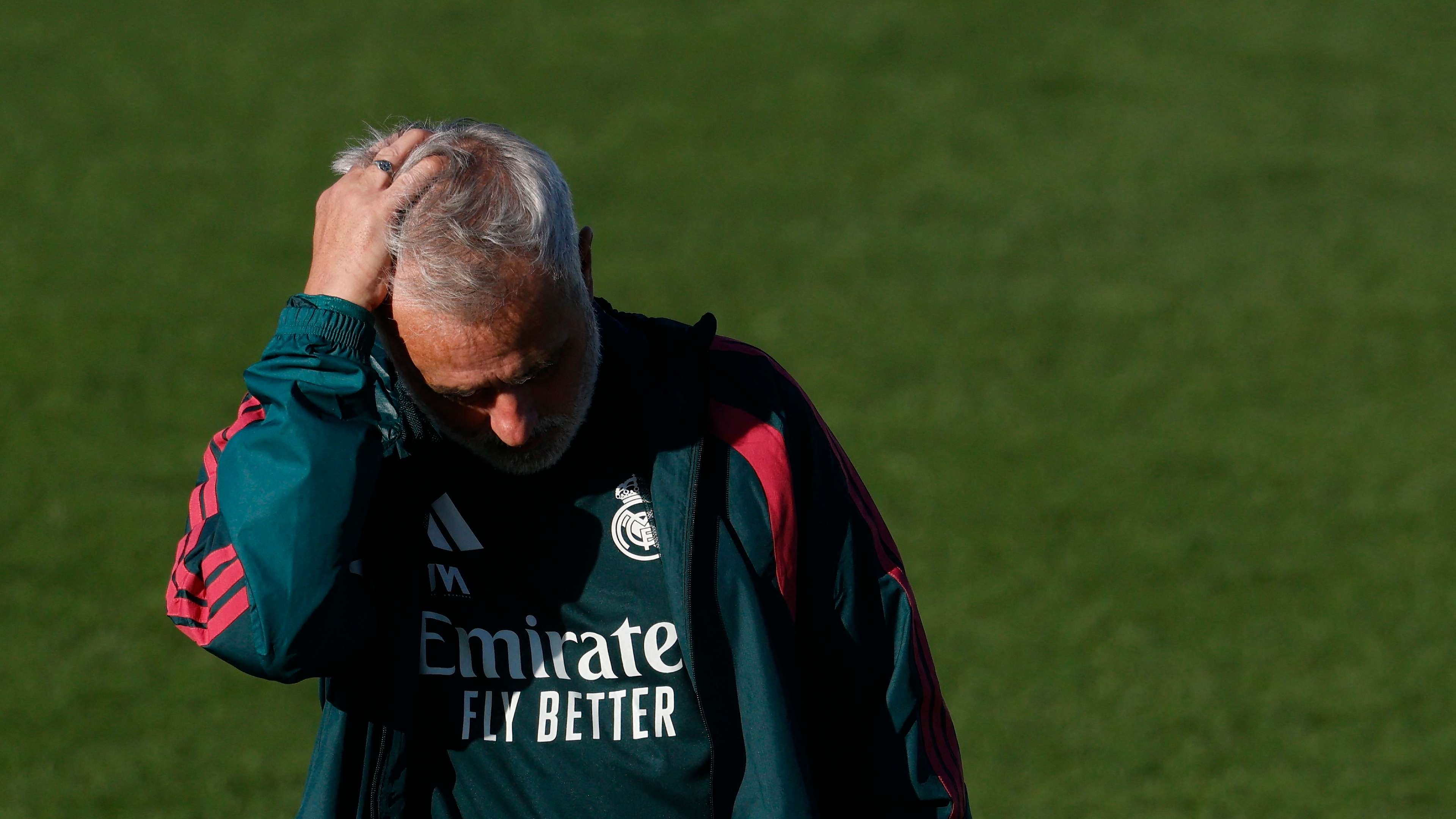
Madrid’s sporting plan also failed to win him over completely. The report says Rodri was uncertain about the project under José Mourinho, whose approach and vision did not persuade him that the move would be the best fit for the next stage of his career. For a player expected to play a central role, the footballing plan can matter as much as the prestige of the badge.
Barcelona, by contrast, offered a style of play Rodri reportedly found appealing. His understanding of possession-based football, positional discipline and the demands of controlling the centre of the pitch could make him a natural fit for the club’s midfield identity. The prospect of joining a team whose approach suited his strengths appears to have weighed heavily in his thinking.
A Two-Day Reflection Before the Final Call
After meeting Barcelona representatives, Rodri reportedly took two days to consider his options. During that time, he evaluated the different sporting projects, his future role and the personal factors surrounding each destination. The choice was not presented as an immediate decision; instead, it followed a period of reflection that ended with Barcelona emerging as his preferred option.
His personal circumstances were also part of the picture. Rodri reportedly wanted to live closer to his family in Madrid, while Barcelona’s footballing proposal offered a compelling professional opportunity. He also spoke with several Spain teammates connected to Barcelona, gaining a clearer sense of the dressing-room environment and how he might settle into the squad.
Those conversations may have helped him assess the move beyond the pitch. A transfer involves adapting to a new city, teammates and expectations, so insight from trusted colleagues can provide a more realistic view than a presentation from club executives alone. In Rodri’s case, the combination of tactical fit, team atmosphere and personal considerations reportedly made Barcelona the more convincing choice.
Real Madrid Receives the News
Once Rodri had settled on his destination, his representative informed both clubs. On 5 August, Barquero reportedly gave Deco the player’s approval before contacting Real Madrid to thank the club and formally reject its offer. The message left little room for Madrid to reopen negotiations.
The decision reportedly came as a major shock to Madrid officials, who believed the transfer was close to completion. Pérez was said to have been informed while holidaying in the Cádiz region, turning what had been expected to be a quiet break into a sudden transfer setback.
Madrid’s disappointment was heightened by the timing. The club had reportedly expected to announce Rodri shortly after completing the signing of Diomande, another deal concluded during the same period. Losing the midfielder to Barcelona therefore represented not only the collapse of an individual pursuit but also a missed opportunity to reinforce the squad according to the club’s summer plans.
What the Transfer Story Could Mean for Both Clubs
If the reported move is completed, Rodri’s arrival would give Barcelona a high-level option in one of football’s most demanding positions. A defensive midfielder must protect the back line, provide a reliable passing outlet and help dictate the rhythm of possession. Rodri’s experience at the highest level could offer both tactical control and leadership, particularly if Barcelona are managing injuries or changes in midfield.
For Real Madrid, the episode highlights the risks of treating a transfer as nearly secured before the player has made a definitive commitment. A club can hold productive talks and believe it has the advantage, yet personal relationships, tactical preferences and competing proposals can still alter the outcome. Madrid may now need to reassess its midfield priorities and consider alternative targets.
For supporters following the transfer market, the saga also provides a useful lesson in prediction: reports of a club’s confidence do not guarantee a signing. The decisive details often remain private until a player gives final approval. In this case, Barcelona’s measured approach—waiting for Rodri to choose the project before moving further—appears to have helped the Catalan club turn an unexpected opening into a potential breakthrough.