
President Trump Welcomes Iranian Soccer Team to World Cup Amid Tensions
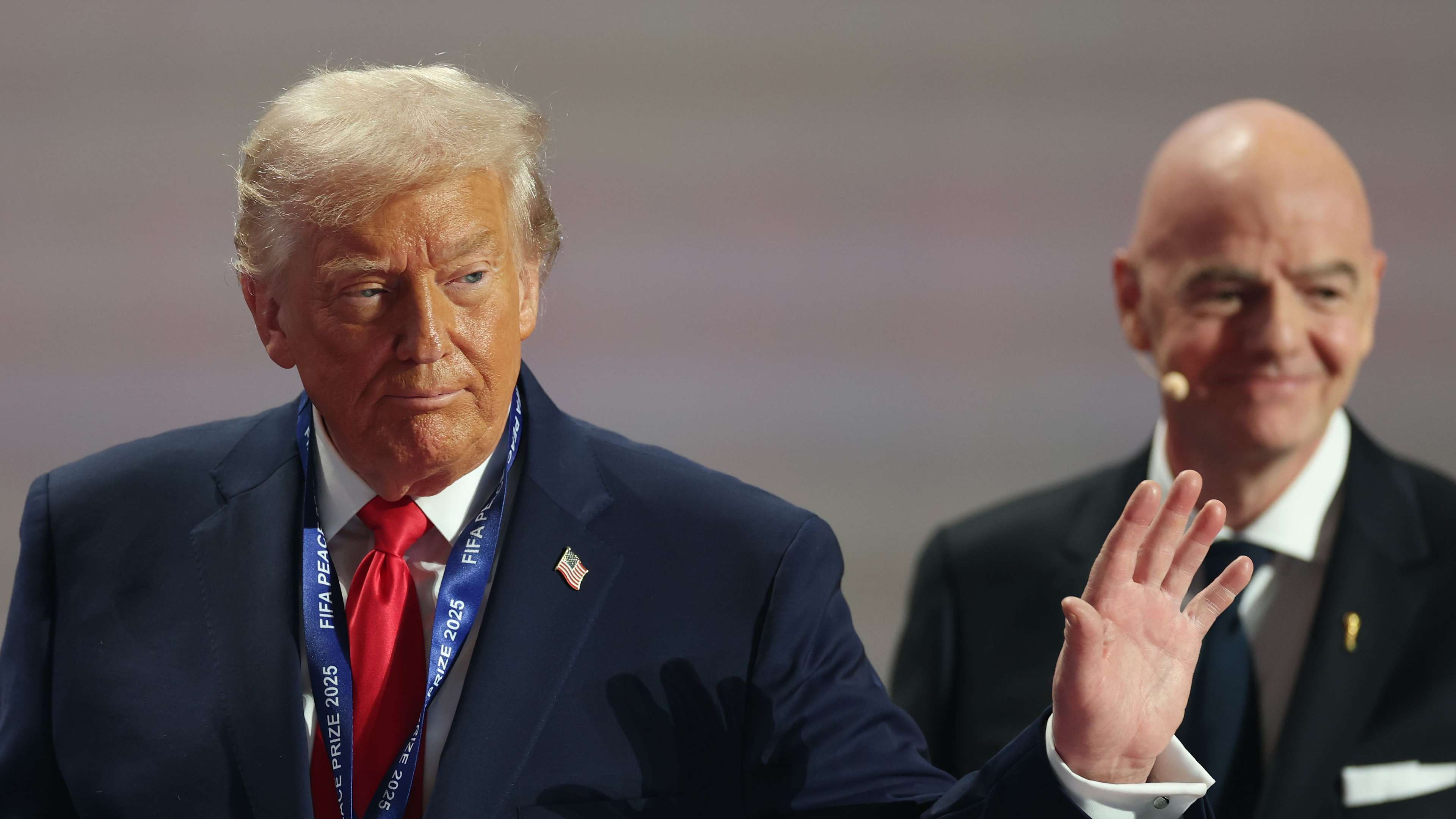
United States President Donald Trump has made a surprising announcement regarding the Iranian soccer team’s participation in the upcoming World Cup. Despite escalating political tensions between the two nations, President Trump extended a warm welcome to the Iranian team, inviting them to come to the U.S. for the tournament this summer.
However, the President also issued a warning, stating that traveling to the United States could potentially jeopardize the “life and safety” of the Iranian players. This caution comes in the wake of recent U.S. bombings in Iran, which have heightened security concerns for individuals from the country.
Political Tensions and Soccer Diplomacy
The relationship between the United States and Iran has been strained for years, with ongoing political conflicts and sanctions creating a challenging diplomatic landscape. Despite these tensions, sports have often served as a platform for peace and understanding between nations.
President Trump’s invitation to the Iranian soccer team can be seen as a gesture of goodwill, aiming to separate sports from politics and promote unity through the universal language of football. The World Cup, being one of the most celebrated sporting events globally, presents an opportunity for countries to come together and compete on a level playing field.
Iranian Officials’ Response
While President Trump’s invitation may have been well-intentioned, Iranian officials have expressed reservations about sending their national team to the United States under the current circumstances. In light of the recent bombings and security threats, Iranian authorities have reluctantly admitted that it may be unsafe for the team to participate in the tournament.
Concerns about the players’ safety and well-being take precedence over the excitement of competing in a prestigious event like the World Cup. The decision to prioritize security highlights the complexities of navigating international relations in the realm of sports, where athletic prowess must be balanced with political realities.
Sportsmanship and Solidarity
As the world eagerly anticipates the start of the World Cup, the issue of the Iranian team’s potential participation adds a layer of intrigue and complexity to the tournament. While the team’s presence in the U.S. remains uncertain, the spirit of sportsmanship and solidarity prevails among football fans worldwide.
Regardless of the outcome, the invitation extended by President Trump underscores the power of sports to transcend borders and foster connections between people from diverse backgrounds. As the Iranian soccer team weighs their options and considers the risks involved, the global football community stands united in support of the beautiful game that unites us all.
In conclusion, the unfolding drama surrounding the Iranian team’s World Cup journey serves as a reminder of the intertwined nature of sports and politics, where decisions on the field can have far-reaching implications beyond the game itself. As the tournament approaches, the world watches with bated breath to see how this story will unfold and what it will mean for the future of football diplomacy.
The Impact of Political Conflicts on Sports
Political tensions between countries have often spilled over into the world of sports, influencing team participation, fan behavior, and even the outcomes of games. The history of international sporting events is rife with instances where political disputes have overshadowed the spirit of competition and camaraderie.
In the case of the Iranian soccer team, the geopolitical climate between Iran and the United States has cast a shadow over their World Cup journey. The team’s dilemma highlights the challenges faced by athletes and sports organizations when caught in the crosshairs of international conflicts.
Football as a Tool for Diplomacy
Despite the complexities of mixing sports and politics, football has often been used as a tool for diplomacy, fostering dialogue and understanding between nations. The World Cup, in particular, has a long history of transcending political differences and bringing people together through the shared love of the game.
By extending an invitation to the Iranian team, President Trump may have been attempting to use football as a means of building bridges and promoting goodwill between the two countries. While the potential risks associated with traveling to the U.S. cannot be ignored, the gesture itself speaks to the power of sports in promoting unity and cooperation.
Security Concerns and Player Safety
The safety of athletes is paramount in any sporting event, and the Iranian team’s decision to prioritize security underscores the real-world implications of political tensions on the ground. As players grapple with the uncertainty of whether to participate in the World Cup, their well-being must be the primary consideration.
Navigating security concerns while balancing the desire to compete at the highest level exemplifies the challenges faced by athletes in conflict-ridden regions. The Iranian team’s deliberations shed light on the broader issue of how sports can be impacted by external factors beyond the control of players and teams.
Global Solidarity and Football Fans
Football fans around the world have a unique ability to come together in support of the beautiful game, transcending borders and differences to celebrate the sport they love. The uncertainty surrounding the Iranian team’s participation has sparked conversations and reflections on the intersection of sports and politics.
Regardless of the final decision made by the Iranian authorities, the global football community stands in solidarity with the players, recognizing the challenges they face in navigating a complex geopolitical landscape. The outpouring of support for the team showcases the unifying power of sports in bringing people together, even in the face of adversity.
Looking Ahead: The Future of Football Diplomacy
As the World Cup draws closer, the story of the Iranian team serves as a poignant reminder of the intricate dance between sports and politics on the world stage. The implications of their journey extend beyond the tournament itself, signaling a new chapter in the evolving relationship between sports and diplomacy.
Whether the Iranian team ultimately travels to the United States or not, the impact of their decision reverberates far beyond the football pitch, shaping the narrative of sports diplomacy in an increasingly interconnected world. As fans eagerly await the start of the tournament, they do so with a heightened awareness of the role sports can play in bridging divides and fostering mutual understanding.
In conclusion, the story of the Iranian team’s World Cup saga is a testament to the enduring power of sports to transcend boundaries and unite people from all walks of life. As the tournament unfolds, the world watches with anticipation, eager to witness how the beautiful game continues to inspire hope, resilience, and solidarity in the face of adversity.