
Netherlands Captain Virgil van Dijk Criticizes Mandatory Hydration Breaks for 2026 World Cup
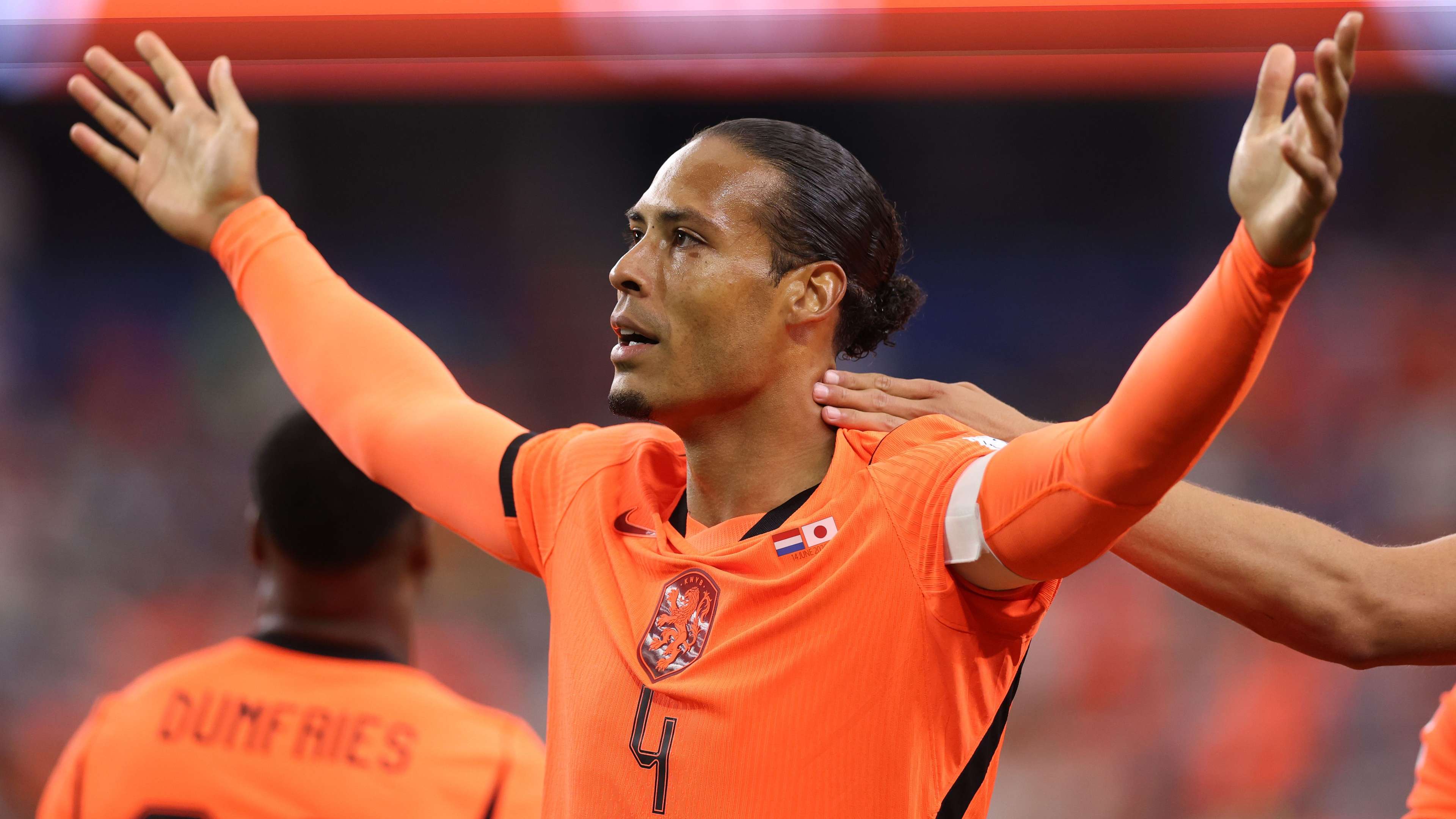
The Netherlands captain, Virgil van Dijk, recently shared his frustrations with the mandatory hydration breaks that have been introduced for the 2026 World Cup. During a press conference following his team’s thrilling 2-2 draw with Japan, the veteran defender raised questions about the need for these stoppages in games played in air-conditioned environments.
Van Dijk’s Concerns
Van Dijk, known for his leadership both on and off the field, expressed his views on the new regulations that require players to take hydration breaks during matches. The captain highlighted that while he understands the importance of staying hydrated, he believes that these breaks disrupt the flow of the game, especially when matches are being played in indoor stadiums with controlled temperatures.
“As players, we are responsible for ensuring that we are properly hydrated before the match and during the halftime break,” Van Dijk stated. “I feel that the mandatory hydration breaks are unnecessary and can affect the rhythm and momentum of the game. It’s important to trust the professionalism of the players and allow them to manage their hydration needs without interrupting the match.”
Impact on Gameplay
The introduction of mandatory hydration breaks has sparked a debate among players, coaches, and fans alike. While some argue that these breaks are essential for player safety and performance, others, like Van Dijk, believe that they are unnecessary, especially in modern stadiums equipped with advanced climate control systems.
Van Dijk’s comments have reignited discussions about how to balance player welfare with the integrity and excitement of the game. As a respected figure in the football world, his perspective carries weight and has prompted further reflection on the implementation of hydration breaks in future tournaments.
Looking Ahead
With the 2026 World Cup on the horizon, the debate over mandatory hydration breaks is likely to continue. As teams and players prepare for the tournament, discussions around potential changes to the regulations governing match stoppages will be closely monitored.
While the opinions on this issue may vary, one thing is certain – the focus remains on ensuring that the upcoming World Cup delivers a thrilling and competitive football experience for players and fans alike. As the football community navigates these discussions, the voices of players like Virgil van Dijk will undoubtedly play a significant role in shaping the future of the sport.
Stay tuned for more updates on the evolving conversation surrounding mandatory hydration breaks in the lead-up to the 2026 World Cup.
Player Perspectives on Mandatory Hydration Breaks
Van Dijk’s criticisms of the mandatory hydration breaks for the 2026 World Cup have sparked a broader conversation among players across different leagues and national teams. While some players share his concerns about the disruptions to gameplay, others see these breaks as essential for maintaining peak performance throughout a match.
Players who support the mandatory hydration breaks argue that they provide a crucial opportunity to rehydrate and refuel, especially in high-intensity games or in hot and humid conditions. They emphasize the importance of player safety and well-being, highlighting that dehydration can lead to fatigue, muscle cramps, and even more serious health issues.
On the other hand, some players echo Van Dijk’s sentiments, suggesting that modern advancements in stadium technology and sports science have made these breaks less necessary. They point to the fact that top-level athletes undergo rigorous hydration protocols before and during matches, making additional stoppages redundant and potentially disruptive to the flow of play.
The Evolution of Match Regulations
The debate surrounding mandatory hydration breaks reflects a broader trend in the evolution of match regulations in football. As the sport continues to grow and adapt to new challenges, governing bodies are constantly evaluating and adjusting rules to ensure the safety, fairness, and integrity of the game.
While some traditionalists may resist change, others see these adaptations as necessary steps to meet the evolving needs of players and fans. The introduction of technologies like VAR (Video Assistant Referee) and goal-line technology are examples of how football has embraced innovation to enhance the accuracy and fairness of officiating.
As discussions around mandatory hydration breaks unfold, it is essential to consider the broader context of how football is changing to meet the demands of a modern, global audience. Balancing tradition with innovation is a delicate dance, but ultimately, the goal remains the same – to provide a compelling and competitive sporting experience for all involved.
The Role of Predictive Analytics in Football
Another aspect to consider in the debate over mandatory hydration breaks is the role of predictive analytics in football. With advancements in data science and technology, teams now have access to sophisticated tools that can analyze player performance, fatigue levels, and injury risk in real-time.
By leveraging predictive analytics, coaches and sports scientists can make more informed decisions about when to substitute players, adjust tactics, or even implement hydration strategies during matches. This data-driven approach has the potential to optimize player performance and reduce the need for arbitrary stoppages like mandatory hydration breaks.
As football continues to embrace data and technology in new ways, the intersection of predictive analytics and match regulations will likely become a focal point for future discussions. Finding the right balance between data-driven insights and on-field action will be crucial in shaping the future of the sport.
Conclusion
As we look ahead to the 2026 World Cup and beyond, the debate over mandatory hydration breaks serves as a microcosm of the broader conversations shaping modern football. Players like Virgil van Dijk bring valuable perspectives to the table, challenging existing norms and pushing for a more thoughtful approach to rule-making.
While the discussions around mandatory hydration breaks may continue, one thing is clear – football is a dynamic and ever-evolving sport that must adapt to meet the needs of its participants and fans. By considering player perspectives, technological advancements, and the guiding principles of the game, football can continue to thrive as a global phenomenon that captivates audiences around the world.