
Real Madrid Fans Spark Concerns with Anti-Islamic Chants Ahead of Champions League Match
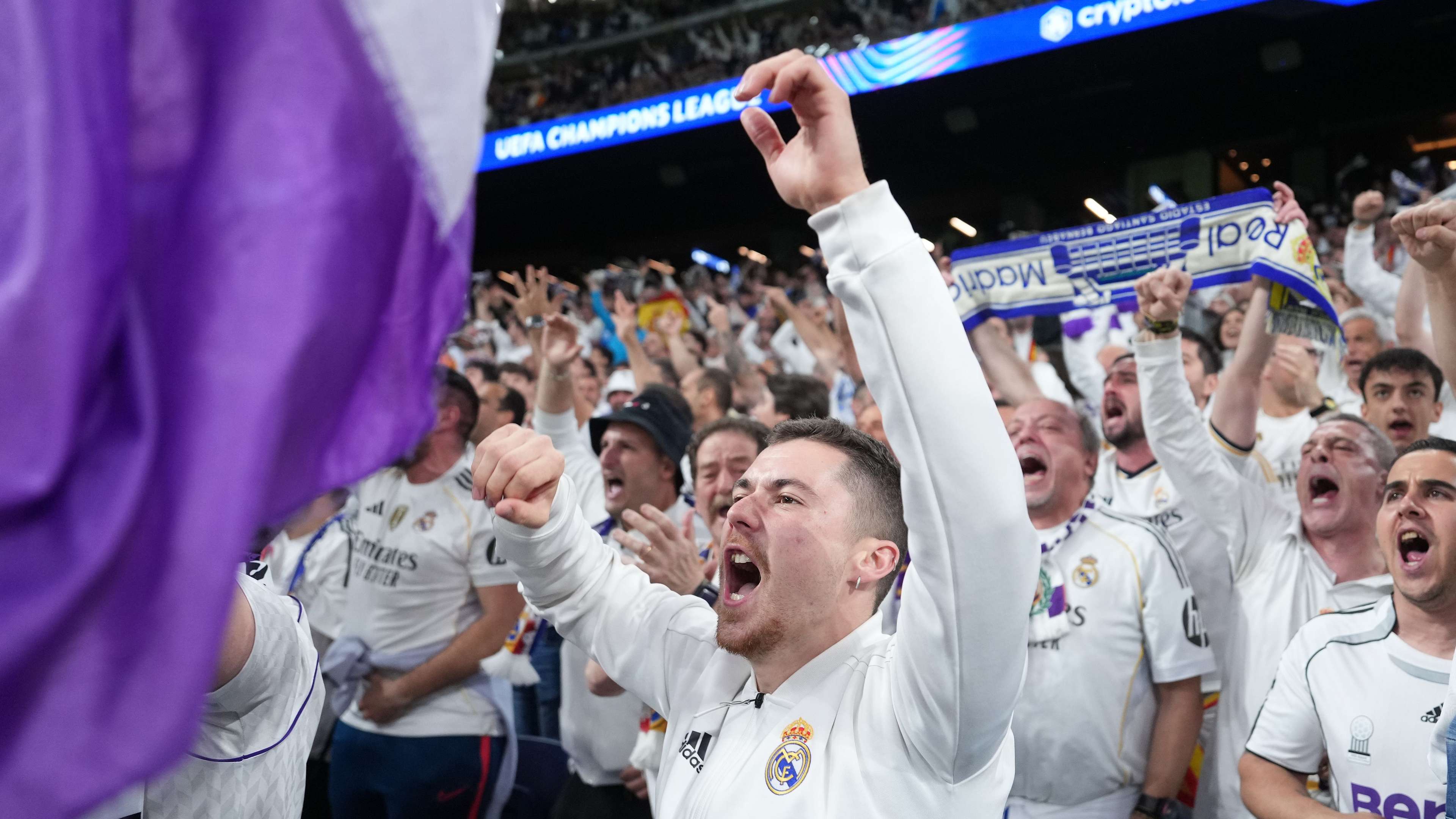
Ahead of Real Madrid’s Champions League quarter-final match against Bayern Munich at the Santiago Bernabéu, a new crisis unfolded as some fans were reported chanting anti-Islamic songs, reigniting concerns about racism in Spanish stadiums. The incident has raised FIFA’s concerns as it comes on the heels of previous incidents of racial discrimination in Spanish football.
Incident Details
According to a report by the French website “Foot Mercato,” a video circulating on social media captured a group of Real Madrid fans chanting “Anyone who doesn’t jump is a Muslim” before the match against Bayern Munich. This chant, previously heard during an international match between Spain and Egypt, has once again brought the issue of racism in Spanish stadiums to the forefront.
FIFA’s Response
The timing of this incident is particularly sensitive as FIFA had recently initiated disciplinary proceedings against the Spanish Football Federation following racist chants heard during the friendly match between Spain and Egypt. The potential sanctions for such behavior range from fines to requiring the federation to broadcast anti-racism messages during future matches.
Structural Problem in Spanish Football
This incident sheds light on a larger issue within Spanish football, where racist and discriminatory chants have been prevalent for several seasons. Players like Vinícius Júnior, Ansu Fati, and Kylian Mbappé have been victims of such behavior, highlighting the need for stricter measures to combat racism in the sport.
Implications for the 2030 World Cup
With Spain set to co-host the 2030 World Cup alongside Morocco and Portugal, these incidents of racism in Spanish stadiums raise concerns for FIFA, which aims to use the tournament as a platform to combat racism and discrimination. The rising number of controversial incidents in one of the host nations poses a challenge for FIFA’s efforts to promote inclusivity and diversity in football.
Conclusion
The recent anti-Islamic chants by Real Madrid fans have reignited concerns about racism in Spanish football, prompting FIFA to take action against discriminatory behavior. As Spain prepares to co-host the 2030 World Cup, addressing these issues is crucial to ensure a welcoming and inclusive environment for players and fans from around the world.
Impact on Players and Fans
Instances of racism and discrimination in football not only affect the targeted individuals but also create a hostile environment for all players and fans. Players who are subjected to such abuse may experience emotional distress and a sense of alienation, impacting their performance on the field. Fans from diverse backgrounds may also feel marginalized and unwelcome, leading to a decrease in attendance and support for the sport.
Global Repercussions
International incidents of racism in football not only tarnish the reputation of the clubs and countries involved but also have broader implications for the sport as a whole. With football being a global phenomenon that transcends borders and cultures, any display of discrimination sends a negative message to fans worldwide. It undermines the values of unity, respect, and fair play that football should embody.
Educational Initiatives
In addition to disciplinary actions, addressing racism in football requires long-term educational efforts to promote awareness and understanding among players, fans, and officials. Clubs and federations can implement programs that educate individuals about the impact of discrimination and the importance of inclusivity. By fostering a culture of respect and acceptance, the football community can work towards eradicating racism from the sport.
Collaborative Solutions
Fighting racism in football is a collective responsibility that involves the efforts of governing bodies, clubs, players, fans, and communities. Collaborative initiatives such as anti-racism campaigns, diversity training, and zero-tolerance policies can help create a safer and more inclusive environment for everyone involved in the sport. By standing together against discrimination, the football community can send a powerful message of solidarity and equality.
Looking Ahead
As the football world grapples with the persistent issue of racism, it is essential for stakeholders to prioritize proactive measures that address the root causes of discrimination. By fostering a culture of respect, diversity, and inclusion, football can fulfill its potential as a unifying force that brings people together across nations and backgrounds. With concerted efforts and a commitment to change, the sport can overcome the scourge of racism and uphold its values of fairness and sportsmanship.
In conclusion, the recent incident of anti-Islamic chants by Real Madrid fans underscores the ongoing challenge of racism in Spanish football and the broader implications for the sport. By confronting this issue head-on and implementing comprehensive strategies to combat discrimination, the football community can work towards a future where all individuals feel respected, valued, and welcome in the beautiful game.