
Bloody Injury Sparks Controversy in La Liga
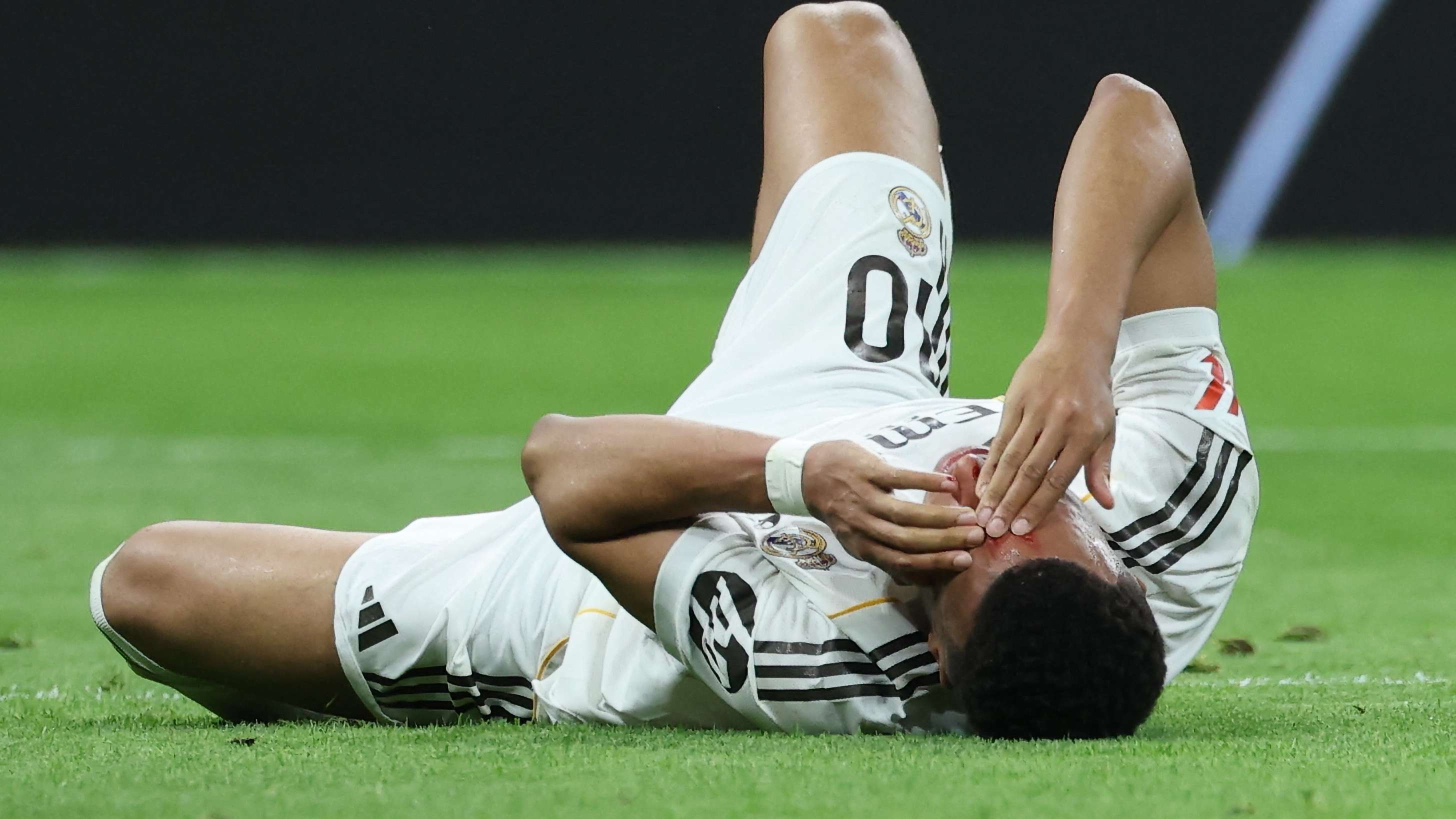
A recent incident during the 31st-round La Liga clash between Real Madrid and Girona has sparked controversy and outrage among football fans and pundits. The incident in question involved a bloody injury to Real Madrid forward Kylian Mbappé that went unnoticed by the referee and the VAR team.
Accusations Against Referee Alberola Rojas
Thomas Ronsero, a prominent pundit on the show ‘El Chiringuito’ and deputy editor-in-chief of ‘AS’, accused referee Alberola Rojas of missing a crucial penalty call during the match. In the dying minutes of the game, Girona’s Víctor Reus made direct contact with Mbappé’s face inside the penalty box, causing a significant injury that drew blood.
Despite the severity of the incident, referee Alberola Rojas chose to ignore it, and the VAR team, led by Trujillo Suárez, did not intervene to review the play. This decision sparked outrage among fans and pundits alike, with many questioning the effectiveness and integrity of the officiating in La Liga.
Ronsero’s Outrage
In a video posted by ‘AS’, Ronsero expressed his frustration and anger over the incident, calling it a “massive lie” and a “scandal.” He emphasized the importance of upholding the rules of the game, regardless of the team involved. Ronsero stated, “Madrid may be playing badly, but the rules must be applied. I won’t keep quiet any longer.”
He further criticized the VAR system, stating, “The referee on the pitch can make a mistake, but not the VAR; he simply doesn’t want to call for a review.” Ronsero’s strong words reflect the growing discontent among fans and experts regarding the use of VAR technology in football matches.
Impact on La Liga
The controversy surrounding Mbappé’s injury and the referee’s decision not to award a penalty has raised questions about the overall quality of officiating in La Liga. Fans and pundits alike are calling for greater transparency and accountability in the league’s refereeing process to ensure fair play and uphold the integrity of the game.
As the debate continues to unfold, the incident has highlighted the need for improvements in how referees and VAR officials manage critical moments during matches. The controversy has also reignited discussions about the role of technology in modern football and its impact on the sport’s traditions and values.
Overall, the incident involving Mbappé’s injury has left a lasting impression on the football community, prompting calls for reform and reflection on how the game is officiated in La Liga and beyond.
Keywords: football, prediction, La Liga, Real Madrid, controversy, VAR, referee, injury
Player Safety Concerns in Football
The incident involving Kylian Mbappé’s bloody injury during the Real Madrid vs. Girona match has reignited concerns about player safety in football. With the game becoming increasingly fast-paced and physical, the risk of serious injuries has become a pressing issue for players, coaches, and fans alike. The failure to penalize reckless challenges like the one on Mbappé raises questions about the effectiveness of referees in protecting players on the field.
While football is known for its physicality, there is a delicate balance between fair play and dangerous play that referees must navigate. In cases where players are intentionally harmed or put at risk, it is crucial for referees to enforce the rules and ensure that such actions are penalized accordingly. The Mbappé incident serves as a stark reminder of the potential consequences of overlooking dangerous tackles and challenges during matches.
Technology in Football Officiating
The controversy surrounding Mbappé’s injury also sheds light on the role of technology in football officiating, particularly with the implementation of VAR. While VAR was introduced to help referees make more accurate decisions and minimize errors, its effectiveness has come under scrutiny in various leagues, including La Liga.
One of the key criticisms of VAR is the lack of consistency in its application and the reliance on subjective interpretation by officials. In the case of Mbappé’s injury, the failure of the VAR team to intervene and review the incident has raised doubts about the system’s ability to provide fair and impartial judgments in critical moments of the game.
As football continues to evolve, the use of technology in officiating will likely remain a hotly debated topic. Finding the right balance between leveraging technology to improve decision-making and preserving the human element of refereeing will be essential in maintaining the integrity and spirit of the game.
Calls for Reform and Accountability
The uproar following Mbappé’s injury has prompted calls for greater transparency and accountability in refereeing decisions in La Liga. Fans and experts are demanding more consistency and clarity in how incidents are assessed and adjudicated on the field, especially in cases where player safety is at risk.
Reforming the officiating process to include clearer guidelines on player protection and stricter enforcement of rules could help address some of the concerns raised by the Mbappé incident. Enhancing training for referees and VAR officials to identify and respond to dangerous play effectively will be crucial in upholding the integrity of the game and ensuring the safety of players.
Looking Ahead
As the fallout from the Mbappé incident continues to reverberate throughout the football world, stakeholders in the sport will need to reflect on how to improve the officiating standards and ensure a safer environment for players. Addressing the shortcomings in the current system and embracing technological advancements judiciously will be key in moving towards a future where fairness, accuracy, and player welfare are prioritized.
Ultimately, the controversy surrounding Mbappé’s injury serves as a wake-up call for football authorities to reevaluate their approach to officiating and make necessary changes to protect the integrity and spirit of the game.
Keywords: football, prediction, La Liga, Real Madrid, controversy, VAR, referee, injury, player safety, technology, reform, accountability