
Ugandan Boxer Aziz Abdul Disqualified After Punching Egyptian Opponent
Ugandan boxer Aziz Abdul was disqualified from the African Boxing Championships in Nairobi after striking Egyptian rival Mohamed Hussein following the final bell of their 90-kilogram final. The late punch brought an abrupt end to the contest, cost Abdul his medal, and renewed scrutiny of his conduct in major competitions.
Abdul, 25, is known by the nickname “Ringo” and is the grandson of former Ugandan ruler Idi Amin. He had reached the final with a chance to claim gold, but the bout’s closing moments overshadowed the sporting result. After the bell sounded, Abdul moved away from the exchange before turning and punching Hussein on the back of the head as the Egyptian boxer turned away.
The blow sent Hussein to the canvas. Officials intervened immediately and disqualified Abdul, who left the ring before Hussein was formally announced as the winner. Because Abdul was removed from the competition rather than simply losing the final, he also forfeited the silver medal he would otherwise have earned for reaching the championship bout.
A Costly Breach of Boxing Rules
In boxing, the final bell marks the end of the contest, and fighters are expected to stop attacking and follow the referee’s instructions. A punch delivered after the bout has concluded can be treated as serious misconduct, particularly when it lands on an opponent who is no longer defending himself. In this case, officials’ immediate response reflected the severity of the incident.
The episode also illustrates how a single moment can undo the work required to reach a major final. Abdul had made it through the tournament to compete for the title, but the outcome was determined not by a judges’ scorecard or a decision in the ring, but by his actions after the contest had ended. For Hussein, the result was a championship victory; for Abdul, it meant leaving without either the gold or the runner-up medal.
Disqualification is distinct from an ordinary defeat. It can affect a boxer’s record, standing in the tournament, and future opportunities, while also raising questions about discipline and sportsmanship. Any further consequences, such as a suspension or review by boxing authorities, would depend on the governing body’s rules and any subsequent investigation.
Second Major Disqualification in a Matter of Months
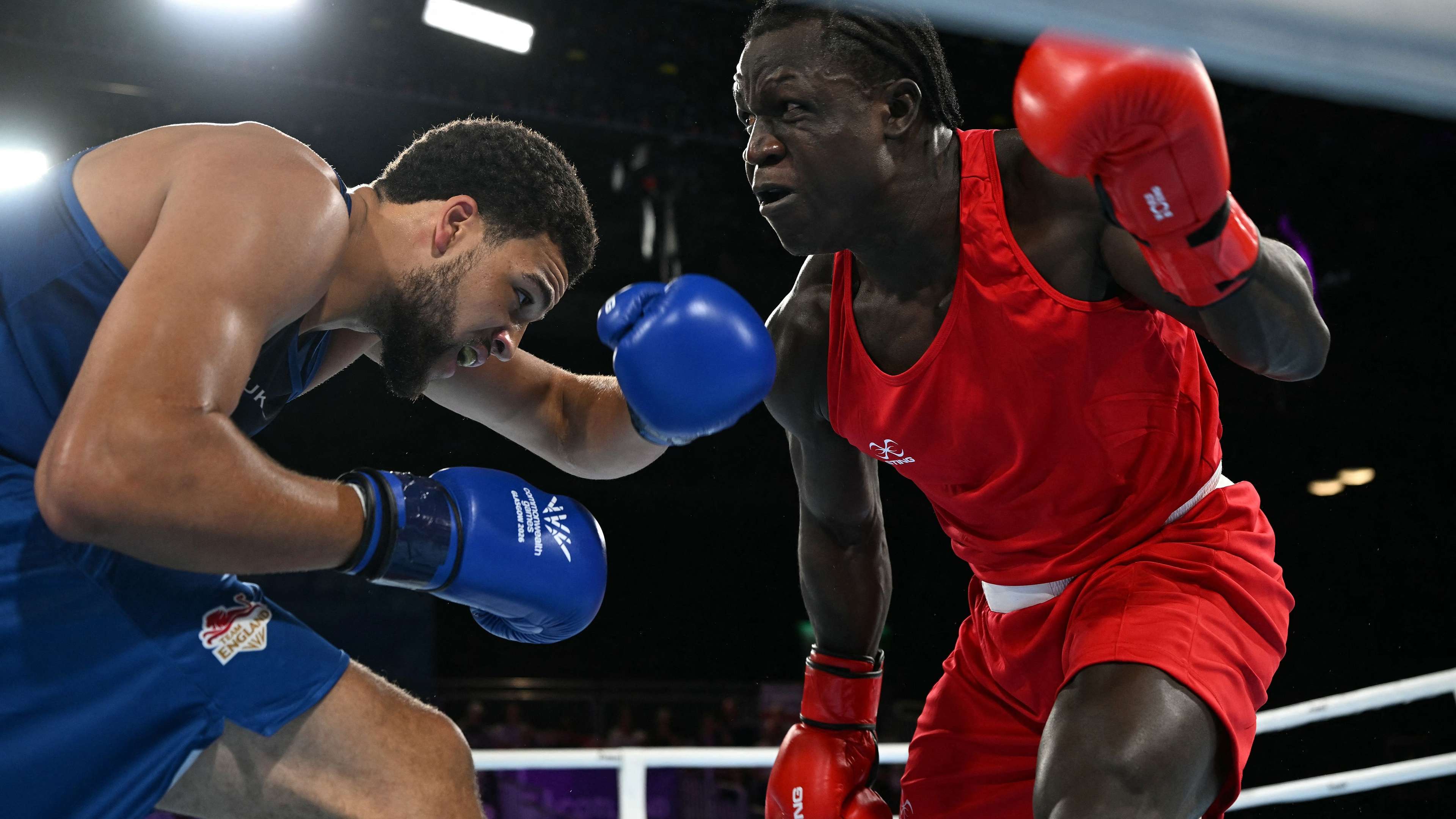
The Nairobi incident is not Abdul’s first high-profile disciplinary setback. Just months earlier, he was disqualified at the Commonwealth Games in Glasgow during a super heavyweight quarter-final against England’s Delicious Orie. Referees ruled that Abdul had committed a headbutt, and the decision came after he had already received two warnings. A further violation ended his participation in the event.
After that disqualification, Abdul criticized the officiating and accused the referees of bias and racism against African boxers, according to reporting by the British newspaper The Sun. Such allegations are serious, but they remain Abdul’s claims; they should not be treated as established findings without independent evidence or a formal ruling. The latest incident, meanwhile, involved a punch after the final bell and was dealt with by officials at the African championships.
Repeated disqualifications can create a difficult pattern for an athlete to overcome. Elite boxing requires not only physical skill and tactical ability, but also emotional control under pressure. Fighters may face close decisions, intense exchanges, and frustration, yet they are expected to remain within the rules. For Abdul, the immediate challenge will be to address concerns about discipline if he hopes to rebuild confidence among officials, opponents, and supporters.
Sporting Pressure and the Search for a Comeback
For fans following African boxing, the Nairobi final was a reminder that a tournament’s defining moment is not always a knockout or a closely contested score. The result also carries a wider lesson about the importance of composure in combat sports, where a lapse after the bell can have consequences as significant as a mistake during a round.
Any prediction about Abdul’s future in the ring remains uncertain. His age means he may have time to return to competition, but a successful comeback would likely require more than physical preparation. Respecting officials’ decisions, managing frustration, and demonstrating consistent sportsmanship could be essential to restoring his reputation. The relevant boxing authorities will determine whether additional disciplinary measures follow the African championship disqualification.
The Weight of a Famous Family Name
Abdul’s family connection has also drawn attention to his career. His grandfather, Idi Amin, seized power in Uganda in 1971 and ruled for eight years before being overthrown and forced into exile. Amin’s government became associated with widespread human-rights abuses and mass killings; estimates of the number of people killed during his rule vary, but are commonly described as reaching into the hundreds of thousands.
Amin was also known for adopting grandiose titles, including “King of Scotland.” Before competing in Glasgow, Abdul reportedly said he wanted to become the “new King of Scotland,” an apparent reference to his grandfather’s self-styled title. The remark added a personal and historical angle to the Commonwealth Games, but the latest controversy has shifted attention back to Abdul’s own decisions as an athlete.
Ultimately, the African Boxing Championships final will be remembered for more than its result. Hussein secured the victory after Abdul’s disqualification, while the Ugandan boxer lost the chance to leave Nairobi with a medal. Whether this becomes a turning point in Abdul’s career will depend on what follows: any official sanctions, his response to the incident, and his ability to show that discipline can match his ambition in the ring.