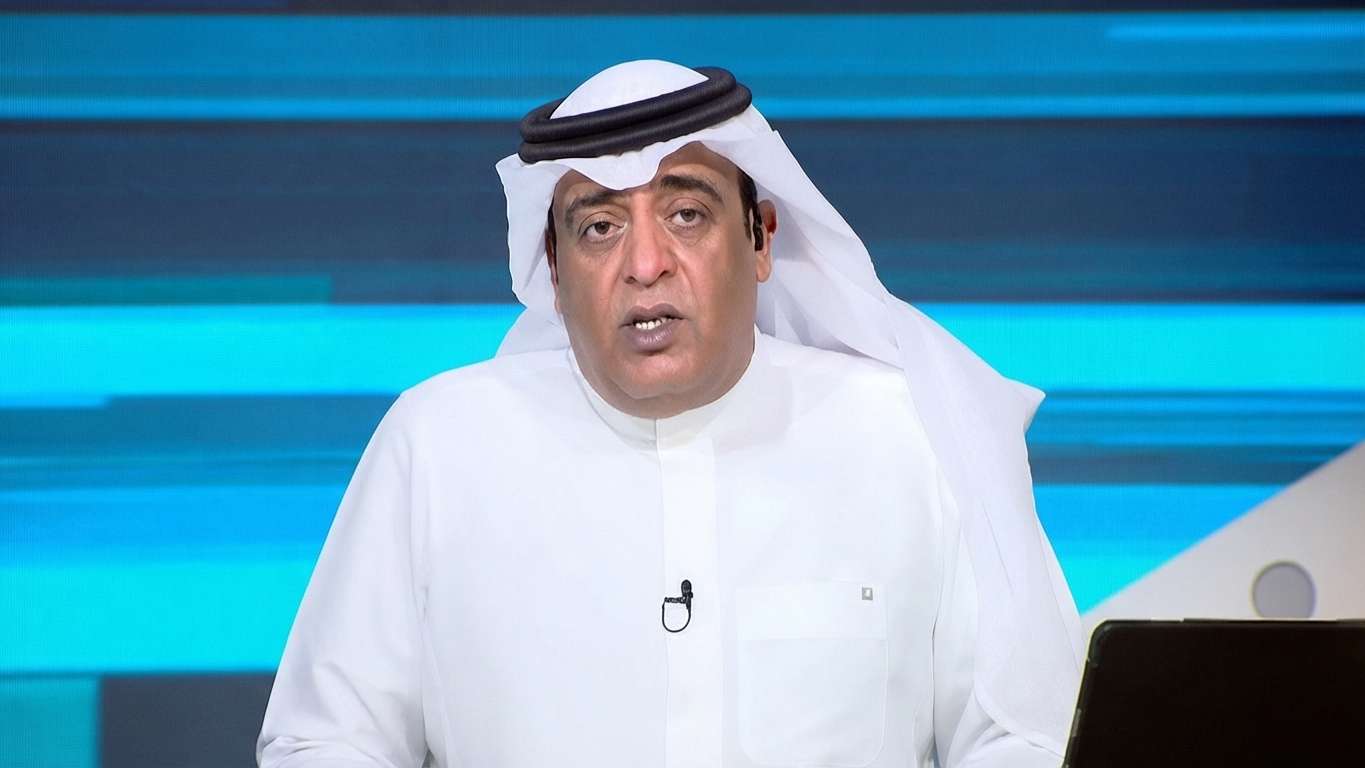

Saudi Asian Cup Delay Offers Roshn League a Chance to Reset, Says Waleed Al-Farraj
Saudi media figure Waleed Al-Farraj has welcomed the decision to postpone the 2027 AFC Asian Cup, arguing that the change could ease pressure on the Roshn Saudi League and give the country’s football calendar more room to breathe.
The Asian Football Confederation (AFC) confirmed that the tournament, initially scheduled to begin in January 2027, will instead start in December of that year. The 11-month shift gives Saudi Arabia additional time to prepare for the continental championship while creating more space in a domestic season that has faced a demanding run of fixtures.
Al-Farraj says crowded schedule affected football quality
In a post on his personal X account, Al-Farraj said the postponement offered relief not only to players but also to coaches, referees, supporters, media workers and the teams responsible for organizing matches and managing stadium operations.
He described the recent schedule as exceptionally intense, with clubs sometimes required to play every three days. In his view, that pace made it harder for the sport to maintain its appeal, as the volume of matches began to take priority over the quality of the football on display.
Al-Farraj suggested that the extra time could help restore a more sustainable rhythm. Players may have greater opportunities to recover between games, while coaches could benefit from more training time and the chance to prepare tactically rather than focusing almost entirely on recovery and the next fixture.
His comments also reflect a wider concern in modern football: packed calendars can create physical and mental strain, particularly when domestic competitions, continental tournaments and international commitments overlap. A schedule that leaves little room for rest can affect performance, increase the risk of injuries and make it harder for clubs to maintain consistent standards throughout a season.
Roshn League adjusts its fixture calendar
The postponement quickly prompted a change to the domestic schedule. Shortly after the AFC announcement, the Roshn League Association delayed the competition’s 13th round, which had been due to take place amid the previous congestion.
With the Asian Cup no longer set to begin in January 2027, the immediate pressure to compress league fixtures was reduced. Moving the round gives organizers greater flexibility to spread matches across the calendar instead of forcing clubs to meet a demanding sequence of deadlines.
That flexibility matters for more than the teams competing for points. A football match depends on a broad network of people and services, including stadium staff, transport providers, security teams, broadcasters and local authorities. When fixtures are tightly packed, those groups must deliver major events with limited time to reset and prepare. A less compressed calendar can make planning more manageable across the entire league.
More preparation time for Saudi Arabia’s tournament plans
The Asian Cup delay also gives Saudi Arabia additional time to complete preparations for hosting one of international football’s leading competitions. Major tournaments require extensive coordination, from stadium readiness and training facilities to accommodation, transport, fan services and event operations.
Al-Farraj said the additional time could allow facilities to be completed at a more natural pace, rather than under a perceived state of emergency. That does not remove the scale of the work involved, but it may give organizers more opportunity to manage projects carefully, address issues as they arise and test arrangements before the tournament begins.
For supporters, the quality of that preparation can shape the experience of the competition as much as what happens on the pitch. Reliable transport, accessible venues, clear information and comfortable facilities all contribute to a successful tournament. A longer lead-in may help organizers refine those details and deliver a smoother event.
What the change could mean for clubs and players
The postponement is not a prediction that every scheduling problem will disappear. Saudi clubs will still need to balance domestic matches with other competitions, and the final calendar will depend on how league rounds and tournament dates are arranged. However, the shift creates an opportunity to reduce avoidable congestion and make the season easier to manage.
For players, even modest improvements in recovery time can be valuable over a long campaign. Rest days support physical preparation, while a more stable schedule can help athletes maintain concentration and consistency. Coaches, meanwhile, may gain more time to work on tactical plans, integrate new signings and develop younger players.
Supporters could also benefit if the revised calendar makes match dates easier to follow and reduces the likelihood of last-minute changes. A clearer schedule can help fans plan travel and attendance, while broadcasters and media organizations can organize coverage with greater certainty.
A breathing space, not a complete solution
Al-Farraj’s response captures the immediate mood among those who see the delay as a practical opportunity for Saudi football. By moving the Asian Cup to December 2027, the AFC has created more space for the Roshn League to adjust its schedule and for tournament preparations to continue without the same level of urgency.
The longer-term impact will depend on how effectively that time is used. If the revised calendar protects player recovery, supports better match preparation and allows infrastructure work to proceed steadily, the change could benefit both the domestic competition and the Asian Cup itself.
For now, the postponement has given Saudi football a chance to reassess its priorities. As Al-Farraj’s comments suggest, a more balanced schedule may help the game recover its quality and appeal—ensuring that the focus returns to the football rather than the strain of playing too much, too often.