
Paris Saint-Germain President Nasser Al-Khelaifi Stranded in Doha Ahead of Champions League Clash
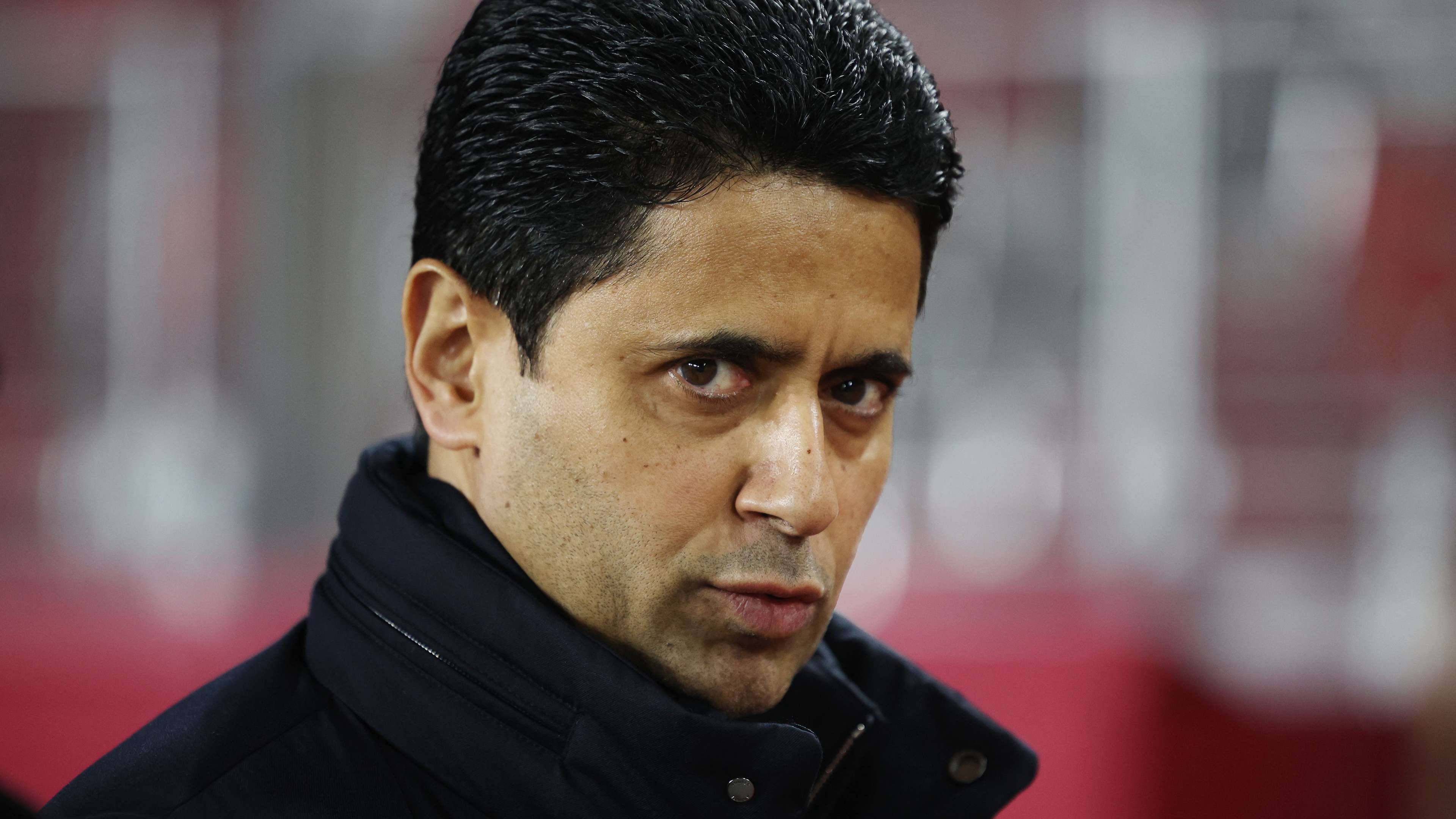
Paris Saint-Germain’s president, Nasser Al-Khelaifi, finds himself in a predicament as he remains stranded in Doha due to the escalating conflict in the Middle East. The ongoing crisis has severely disrupted international travel, leaving Al-Khelaifi unable to make his way to Paris for PSG’s crucial Champions League round-of-16 tie against Chelsea at the Parc des Princes.
The Situation
Flights have been grounded, and airspace restrictions have been put in place following recent strikes in the region. This has left Al-Khelaifi facing a frantic race against time to attend the highly anticipated match between PSG and Chelsea. The clash is of utmost importance to the French club as they look to advance in the prestigious tournament.
Al-Khelaifi’s absence from Paris has raised concerns among PSG fans and officials as his presence is crucial for decision-making and support during such crucial matches. The uncertainty surrounding his travel plans has added an extra layer of tension ahead of the Champions League showdown.
The Impact
The situation highlights the challenges faced by individuals and organizations due to the geopolitical tensions in the Middle East. The disruption in international travel has not only affected Al-Khelaifi but also other travelers and businesses in the region.
For PSG, Al-Khelaifi’s absence could potentially impact the team’s performance and morale as they prepare to face Chelsea in a high-stakes encounter. His leadership and support are considered vital in guiding the club through such important matches.
Looking Ahead
As the conflict in the Middle East continues to escalate, Al-Khelaifi remains in Doha, closely monitoring the situation and exploring alternative travel arrangements to ensure he can be present for PSG’s clash against Chelsea. The club is working on contingency plans to address any potential challenges that may arise due to his absence.
Despite the uncertainty surrounding Al-Khelaifi’s travel plans, PSG is focused on preparing for the match against Chelsea and remains determined to secure a positive result in the Champions League round-of-16 tie. The team is fully committed to delivering a strong performance on the pitch, regardless of the challenges they may face off it.
Conclusion
As Paris Saint-Germain’s president, Nasser Al-Khelaifi, remains stranded in Doha due to the escalating conflict in the Middle East, the club faces a series of challenges leading up to their crucial Champions League clash against Chelsea. The situation underscores the impact of geopolitical tensions on international travel and highlights the importance of leadership and support in navigating such difficult circumstances. PSG remains focused on their goal of advancing in the tournament and is working diligently to overcome the obstacles posed by Al-Khelaifi’s absence.
Impact of Nasser Al-Khelaifi’s Absence
Without Nasser Al-Khelaifi’s presence in Paris, PSG may face challenges beyond just his absence at the Champions League clash. As the president of the club, Al-Khelaifi plays a crucial role in overseeing various aspects of PSG’s operations, including strategic decision-making, player interactions, and overall club management. His absence during such a critical match could potentially impact the team’s overall morale and focus.
Moreover, Al-Khelaifi’s leadership and guidance are essential in providing a sense of stability and direction to the team, especially during high-pressure situations like the Champions League knockout stages. His absence may create a sense of unease within the club, as players and staff may feel the weight of his missing presence and support.
Geopolitical Tensions and Sports
The situation involving Nasser Al-Khelaifi’s stranded status due to geopolitical tensions in the Middle East sheds light on the intersection of politics and sports. In recent years, sporting events have become increasingly entwined with political conflicts and global issues, leading to disruptions and challenges for athletes, teams, and officials alike.
The impact of geopolitical tensions on sports can range from travel restrictions and security concerns to diplomatic boycotts and international sanctions. These factors not only affect the logistics of sporting events but also influence the overall atmosphere and dynamics of competitions, creating a complex environment for athletes and organizations to navigate.
Resilience and Adaptability in Sports
Despite the challenges posed by Nasser Al-Khelaifi’s inability to travel to Paris for PSG’s Champions League clash, the situation serves as a testament to the resilience and adaptability of sports teams in the face of adversity. PSG, as a top-tier football club, is accustomed to overcoming obstacles and uncertainties both on and off the field.
The team’s ability to remain focused on their goal of advancing in the tournament despite the potential setback of Al-Khelaifi’s absence demonstrates their determination and professionalism. By working on contingency plans and maintaining a positive mindset, PSG showcases the spirit of resilience that is often required to succeed in competitive sports, regardless of external circumstances.
Support and Unity in Times of Crisis
In times of crisis, such as Nasser Al-Khelaifi’s stranded situation, the importance of support and unity within a sports organization becomes even more evident. PSG’s players, coaching staff, and support personnel must come together to fill the void left by Al-Khelaifi’s absence and ensure that the team remains focused and prepared for the upcoming match against Chelsea.
By rallying around a shared goal and fostering a sense of camaraderie and teamwork, PSG can navigate the challenges presented by Al-Khelaifi’s predicament with resilience and determination. The support network within the club plays a critical role in maintaining the team’s morale and performance, highlighting the significance of unity and solidarity in overcoming obstacles in the world of sports.
Conclusion
As Paris Saint-Germain grapples with the impact of Nasser Al-Khelaifi’s stranded status in Doha ahead of their Champions League clash against Chelsea, the club faces a test of resilience, adaptability, and unity. The intersection of geopolitical tensions with sports underscores the complex nature of international competitions and the challenges that athletes and organizations must navigate in today’s global landscape.
Despite the uncertainties and disruptions caused by external factors, PSG remains determined to deliver a strong performance on the pitch and advance in the prestigious tournament. By leveraging their collective strength, professionalism, and commitment to excellence, PSG exemplifies the spirit of sportsmanship and perseverance in the face of adversity, setting a compelling example for teams and fans alike.