
Indian Badminton Duo Celebrates Historic China Masters Victory, Demonstrating Resilience and Strategy Ahead of Asian Games 2026
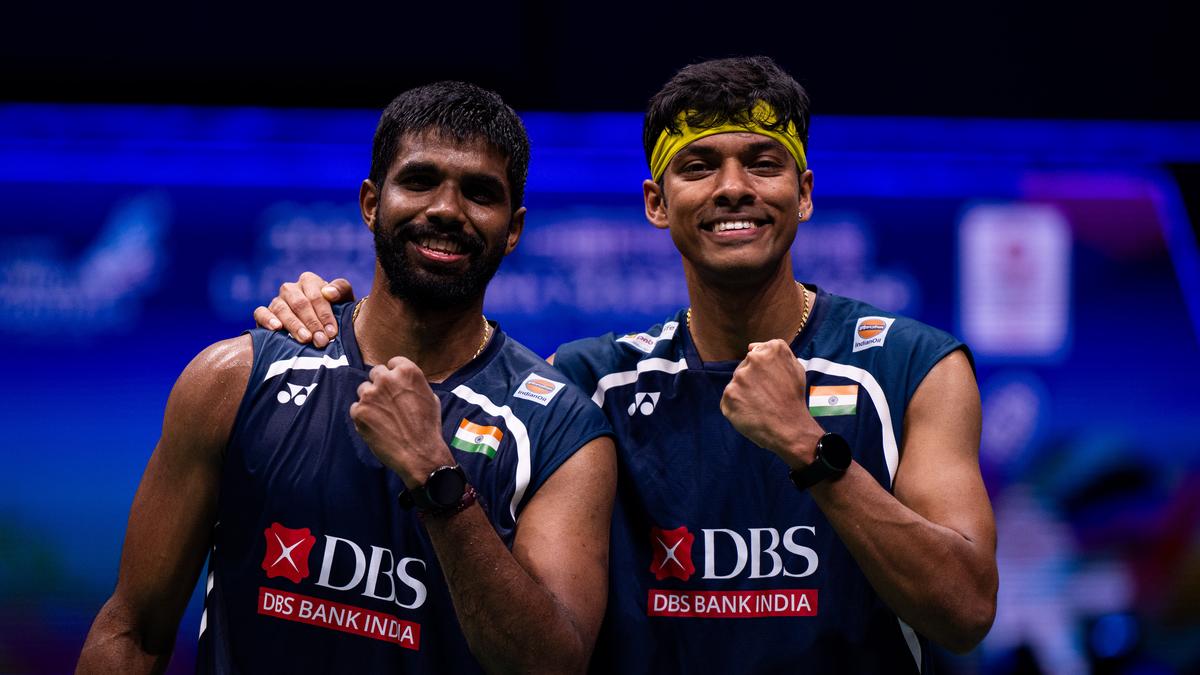
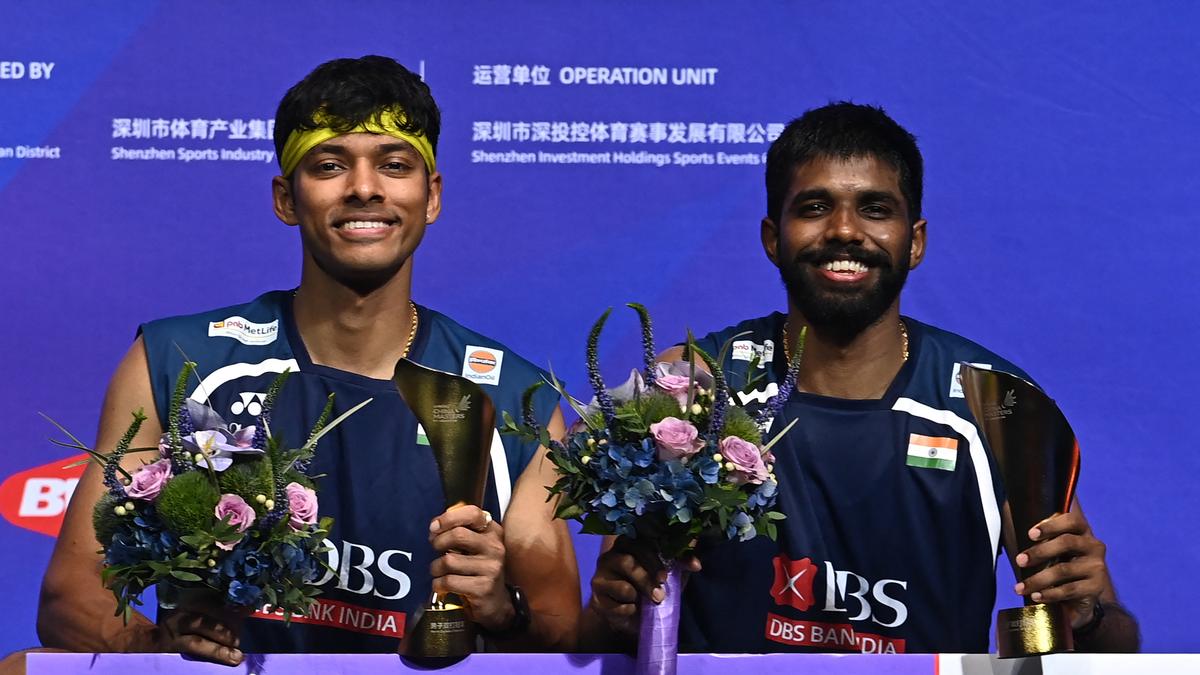
The atmosphere was electric at the China Masters 2026, held in Shenzhen, as the renowned Indian men’s doubles pair, Satwiksairaj Rankireddy and Chirag Shetty, clinched their first-ever title at this prestigious tournament. Their victory was marked not only by jubilant celebrations—Satwik breaking into his signature dance and Chirag Shetty tossing his shirt into the crowd—but also by the profound resilience and strategic evolution that underpinned their triumph. This win has significant implications for their preparations for the upcoming Asian Games, serving as a critical confidence booster amid ongoing physical challenges.
Climactic Victory and Celebratory Rituals
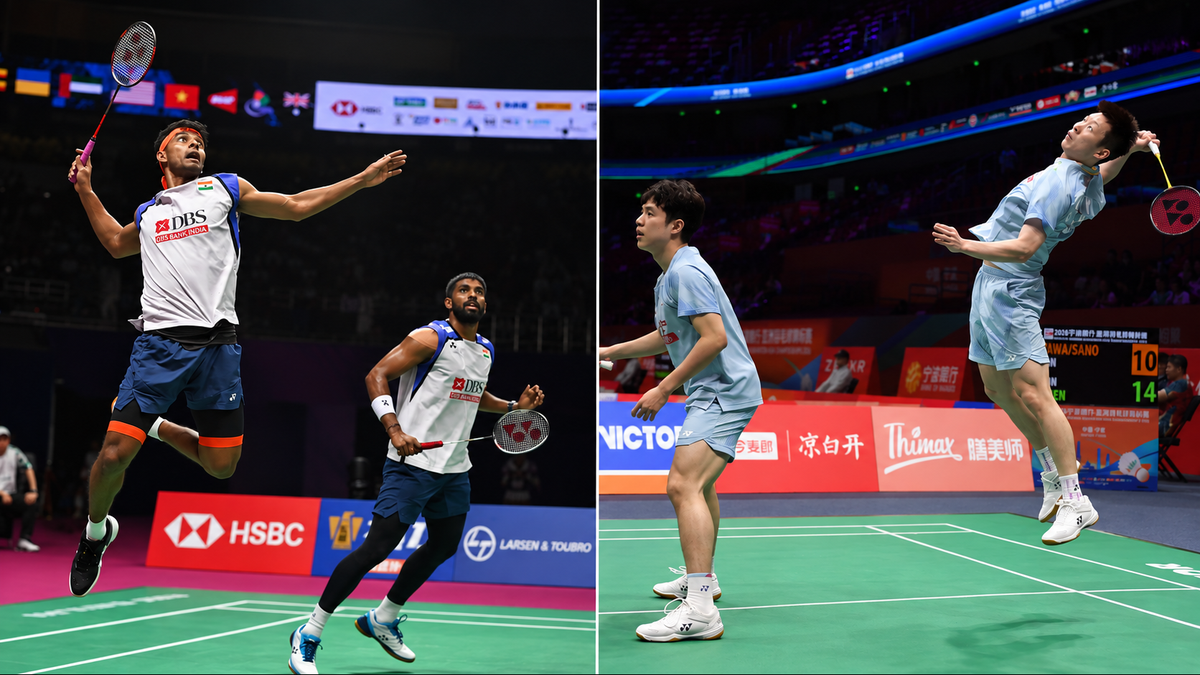
As the final shot found its mark, the duo’s elation was palpable. The victory over China’s formidable He Ji Ting and Ren Xiang, in a tense three-game clash—11-21, 21-13, 21-17—marked a turning point in their career. It was their inaugural China Masters crown after two previous runner-up finishes, and it underscored their rising stature in international badminton. The celebration was vibrant and heartfelt, symbolizing their hard-fought journey and the team’s collective effort.
Strategic Resilience and Physical Readiness
Beyond the exuberant celebrations, what stood out was the underlying message of resilience and strategic maturity. The tournament spanned over five hours of intense badminton, with four matches going to three games, testing their physical endurance and mental toughness. This rigorous experience was crucial for the pair’s preparation for the Asian Games, where they are expected to compete over nearly ten days, balancing team and individual events.
Satwiksairaj Rankireddy emphasized the importance of this victory as a litmus test for their physical and mental stamina. “This was a good challenge for us, especially given our recent injuries. The Asian Games demand sustained performance over many days, so this win gives us vital insights into our endurance and recovery,” he explained during a post-match interaction organized by the Badminton Association of India (BAI).
Overcoming Injury Challenges and Building Confidence
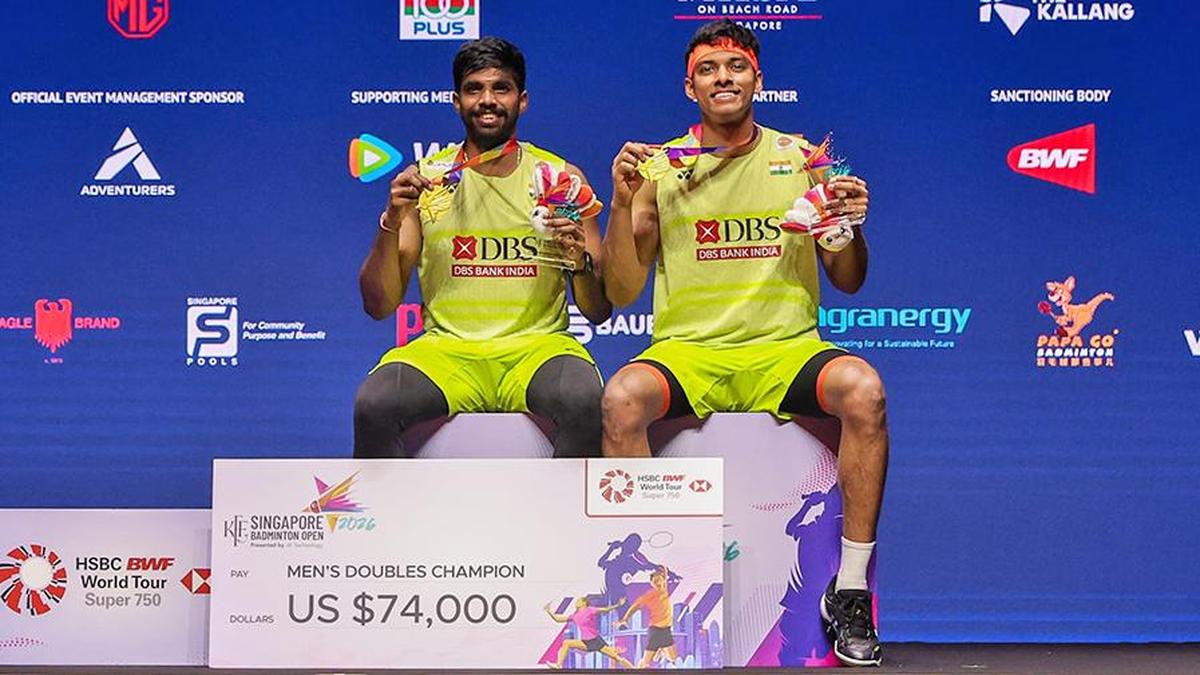
Physical health has been a persistent concern for the talented Indian shuttler. Satwik has battled a recurring right-shoulder injury that disrupted key moments of their season. After winning the Singapore Open in May, he faced setbacks—withdrawals from the Indonesia Open, early exits in Japan, and skipping the China Open altogether. Their only completed match in nearly three months prior to the China Masters was at the World Championships, where they exited in the quarterfinals.
Nevertheless, their performance at the China Masters demonstrated that, despite physical limitations, they could compete at a high level. Satwiksairaj reflected, “Even though I couldn’t smash at 100%, we maintained a high level of play and challenged top opponents, which greatly boosted our confidence.” Chirag Shetty echoed this sentiment, noting that their daily progress in managing injury and stamina was encouraging. “After five days of intense badminton, we felt physically strong and capable,” he said.
Refined Tactics and Game Adaptability
One of the key takeaways from their recent run is a tactical shift—emphasizing patience and strategic defence over aggressive, quick finishes. Chirag highlighted that their experience at the World Championships taught them to be more disciplined in attack and to trust their defensive game. Instead of rushing to end rallies immediately, they focused on selecting the right strokes, patiently building plays, and capitalizing on opponents’ mistakes.
This approach proved vital against diverse opposition, from Malaysia’s newly formed pairs to experienced Chinese finalists. The Indian duo faced challenges ranging from defending against aggressive singles instincts to neutralizing flat-shuttle tactics designed to limit lifts. Their ability to adapt to different playing styles underscored their versatility and tactical maturity, critical qualities for success in the highly competitive badminton landscape.
Broader Implications for Indian Badminton and the Road Ahead
The victory at China Masters is more than a title—it signifies a strategic and physical renewal for the Indian men’s doubles team. It affirms their resilience and signals readiness for the demanding schedule of the Asian Games, which is set to be a pivotal event on the international badminton calendar. The Asian Games 2026, hosted in Japan, will feature intense competition from top pairs worldwide, making this win a timely confidence booster.
However, the journey forward isn’t without concerns. Chirag Shetty continues to manage a lower back injury, wearing a support belt for nearly a year and a half following a setback at the All England Championships last year. He plans to utilize a dedicated month-long training block scheduled for December to assess his ability to compete without support, aiming for peak physical condition during the Asian Games.
Fighting Spirit and Realistic Goals
Despite their recent success, Chirag and Satwik remain grounded. They acknowledge the depth and unpredictability of the men’s doubles field, emphasizing that many pairs will be vying for medals in Japan. Chirag stated, “We’re not taking anything for granted. Our goal is to give our best each day, just as we did in 2023, and stay focused on our progress.”
This pragmatic outlook underscores their commitment to continuous improvement. Their focus remains on executing their game plan, adapting to match situations, and maintaining physical robustness. Their journey exemplifies the resilience and tactical intelligence that define modern badminton—a sport where agility, strategy, and endurance are equally vital.
Conclusion: A Bright Future for Indian Badminton
The recent triumph at the China Masters marks a significant milestone for Satwiksairaj Rankireddy and Chirag Shetty, reflecting their evolution as a resilient and tactically astute doubles pair. Their ability to overcome injuries, adapt strategies, and perform under pressure bodes well for their prospects at the upcoming Asian Games 2026, where badminton fans worldwide will be watching eagerly.
As Indian badminton continues to rise on the global stage, stories of perseverance and strategic growth like theirs inspire the next generation of athletes. With a solid foundation of physical resilience and tactical flexibility, the duo’s journey is a testament to the enduring spirit of Indian badminton—one that promises more exciting victories and landmark achievements in the years to come.