
Saudi Arabian Football Sets Sights on Global Dominance: New Leadership and Future Predictions
The landscape of Saudi Arabian football is poised for a transformative era as Badr Al-Rzaiza officially assumes his role as the new president of the Saudi Arabian Football Federation (SAFF). Following a smooth, uncontested election process, Al-Rzaiza’s appointment marks a significant milestone in the ongoing development and strategic vision of football within the Kingdom. His leadership signals a renewed commitment to elevate Saudi football on the international stage, blending tradition with innovative growth initiatives aimed at making the nation a formidable force in world football.
Transition of Power: A New Chapter in Saudi Football
The recent elections for the Saudi Arabian Football Federation were characterized by consensus, with Badr Al-Rzaiza confirmed as the federation’s president by acclamation. This seamless transition underscores the confidence within the football community and the broader sports ecosystem in Saudi Arabia. Al-Rzaiza’s appointment follows a period of notable progress in Saudi football, driven by strategic investments, infrastructural improvements, and a focus on nurturing local talent.
In his inaugural address, Al-Rzaiza expressed his appreciation for the achievements under the previous leadership, particularly Yasser Al-Misehal, who served as SAFF president for seven years. “We honor the foundations laid and are committed to building on the momentum we’ve gained,” Al-Rzaiza stated, emphasizing his dedication to fostering a competitive, world-class football environment in Saudi Arabia.
Building on Progress: The Vision for Saudi Football
Under the stewardship of Al-Misehal, Saudi football experienced significant milestones, including the successful hosting of international tournaments, the rise of local clubs in continental competitions, and the emergence of talented players who are now making their mark on global stages. Al-Rzaiza’s leadership aims to sustain and amplify these achievements by implementing comprehensive development programs, enhancing youth academies, and attracting top international coaches and players.
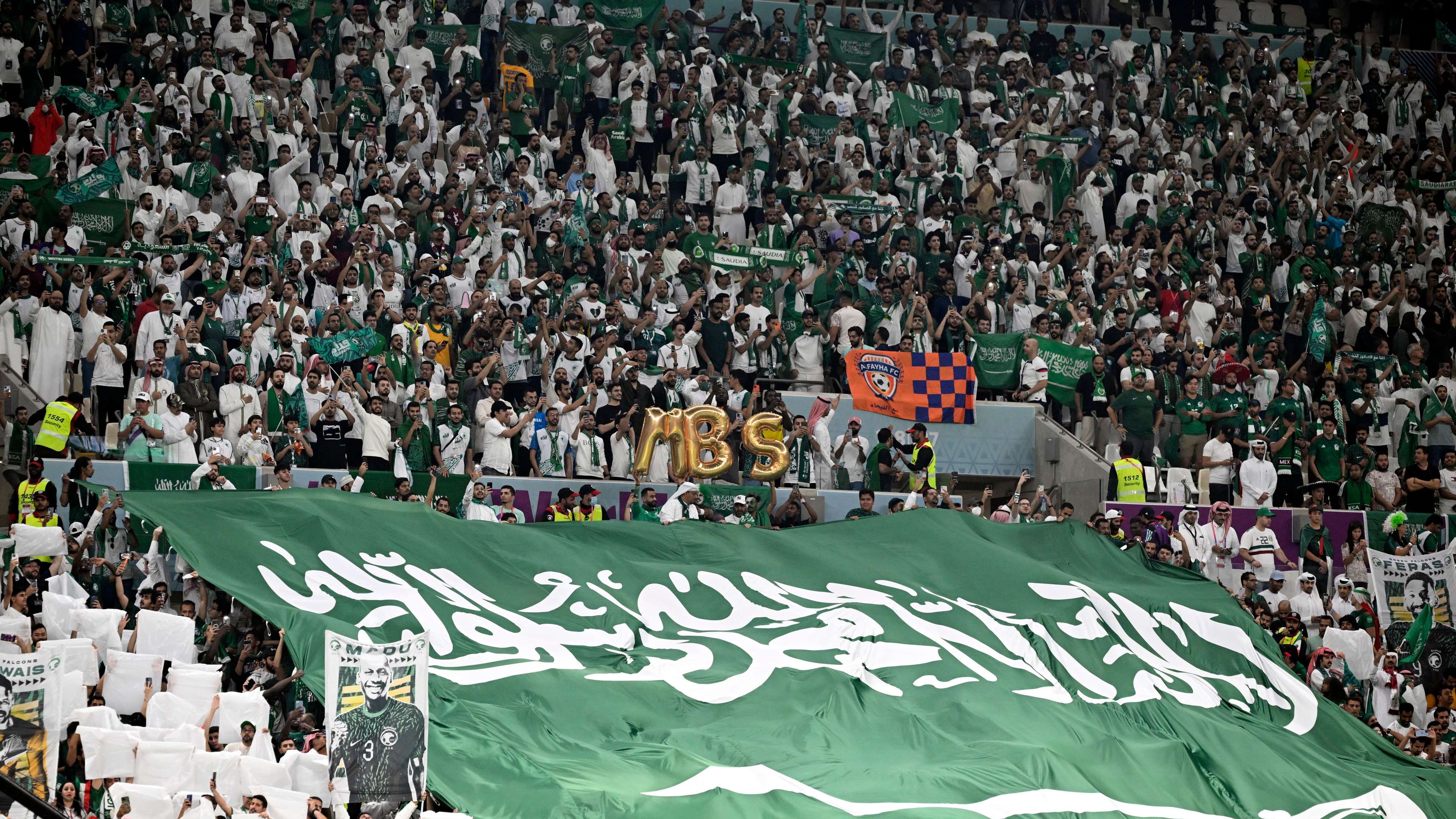
Furthermore, the Kingdom’s ambitious Vision 2030 initiative emphasizes sports as a key pillar for social and economic transformation. Football, being the most popular sport in the country, plays a central role in this strategy, with plans to boost domestic competitions, increase fan engagement, and improve the overall quality of the national team.
Strategic Predictions for the Future of Saudi Football
Looking ahead, football experts and enthusiasts are eager to analyze potential developments and predict how Saudi Arabia’s football landscape might evolve. Based on current trends and strategic investments, several key predictions can be made:
1. Enhanced Domestic Competitions and Talent Development
The Saudi Professional League (SPL) is expected to continue its upward trajectory, attracting more international players and coaches. This influx will elevate the competition level, providing better training and exposure for local talent. Advanced youth development programs are likely to produce a new generation of players capable of competing at the highest levels globally.
2. Increased International Exposure and Competitions
With Saudi Arabia hosting more international tournaments and friendly matches featuring top European, Asian, and South American clubs, the national team’s prediction is optimistic. Such exposure will improve the team’s tactical sophistication and competitive resilience, paving the way for better performances in AFC tournaments and World Cup qualifiers.
3. Investment in Infrastructure and Fan Engagement
The Kingdom is investing heavily in state-of-the-art stadiums and training facilities, aiming to provide players with world-class environments. Additionally, digital platforms and social media are being leveraged to enhance fan interaction, making football more accessible and engaging for a broader audience. This strategy is expected to bolster match-day attendance and global viewership, thus increasing the sport’s popularity and commercial value.
4. Strategic Prediction: A Rising Power in Global Football
Given these developments, experts predict that Saudi Arabia could emerge as a top contender in Asian football and gradually challenge traditional powerhouses on the world stage. The nation’s focus on talent cultivation, infrastructural excellence, and international collaborations aligns with the broader goal of becoming a leading football nation, with ambitions to qualify for upcoming FIFA World Cups and host major international tournaments.
Implications for the Global Football Prediction Landscape
The rise of Saudi football has broader implications for the global prediction of football powerhouses. As the Kingdom invests heavily and adopts innovative strategies, it is reshaping the traditional hierarchy of football dominance. Analysts and betting agencies are beginning to incorporate Saudi Arabia’s burgeoning football scene into their prediction models, foreseeing a shift in competitive dynamics in Asia and beyond.
Moreover, the integration of advanced sports science, data analytics, and tactical innovations fueled by international collaborations will further enhance Saudi teams’ performances. This comprehensive approach positions Saudi Arabia not only as a future contender but also as a hub for football talent development and sports technology innovation.
Conclusion: A Future Bright with Promise and Potential
As Badr Al-Rzaiza steps into his role as the new leader of Saudi Arabian football, the expectations are high. The strategic vision laid out by the Kingdom aims to transform Saudi football into a powerhouse capable of competing with the best in the world. With sustained investment, a focus on youth development, and international collaboration, the predictions for Saudi football’s future are promising.
Football enthusiasts worldwide are watching closely as Saudi Arabia’s football prediction models evolve, projecting a future where the nation not only aspires to be among the leading football nations but actively shapes the global football landscape in the years to come.