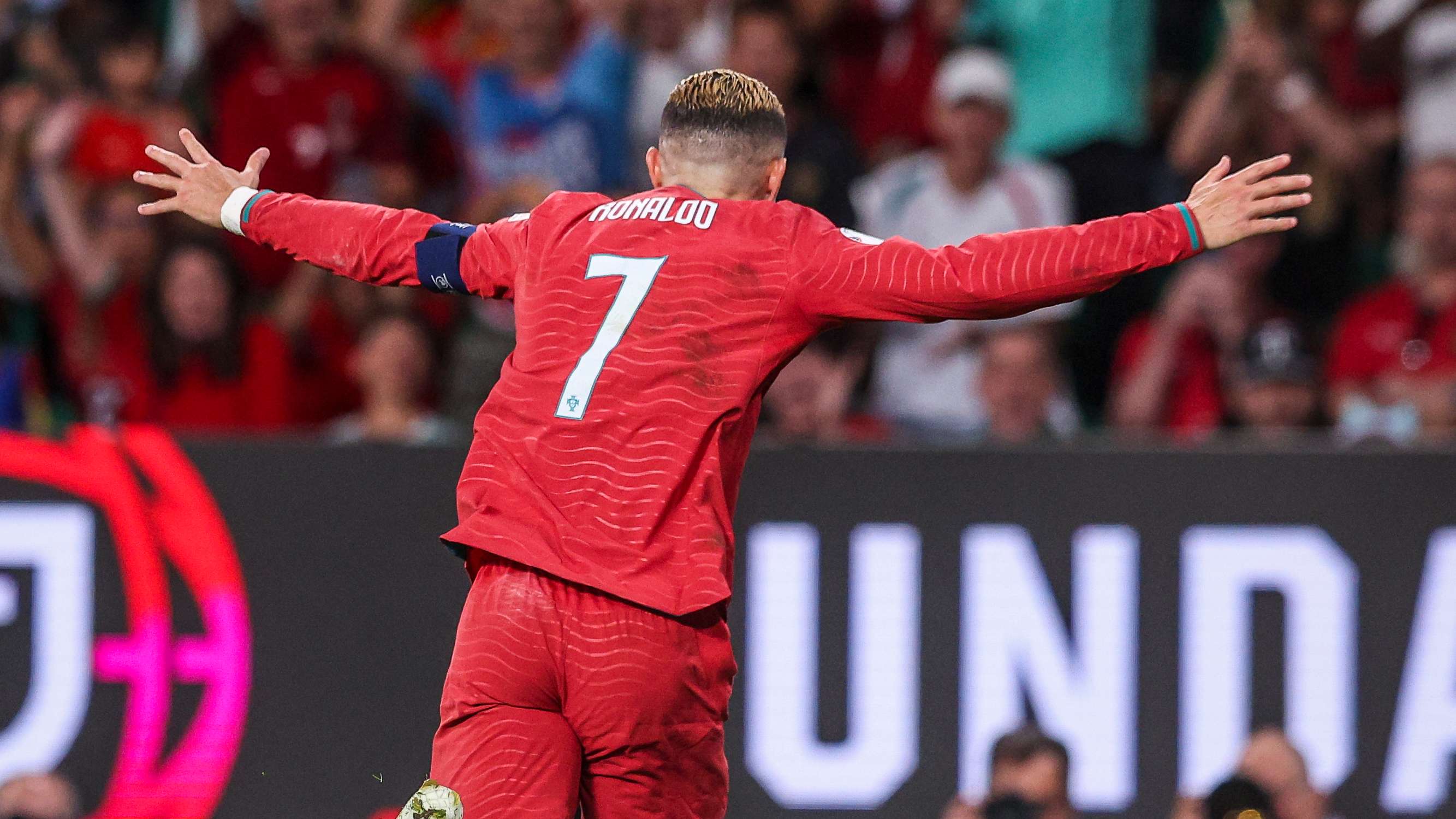

Cristiano Ronaldo’s Portugal No. 7 Era Ends, but the Shirt Cannot Be Retired
Cristiano Ronaldo has brought an end to one of the defining chapters in Portugal’s football history. After more than two decades representing his country, the forward announced his international retirement in a farewell video shared through his official accounts. “The day has come to return the number 7 shirt to our national team, to all of us,” he said, framing his departure as a handover rather than a goodbye to the shirt itself.
Ronaldo’s international career began in 2003 and concluded with his final appearance against Wales last September. His announcement leaves Portugal facing a familiar question: who will wear the famous No. 7 next? Some supporters may also wonder whether the number could be retired as a permanent tribute to the country’s greatest football icon. In practice, however, the shirt is expected to remain available—and football regulations make retirement at national-team level impossible.
Who Will Wear Portugal’s No. 7 Shirt Next?
The strongest clue came during the most recent international break. Ronaldo left Portugal’s camp before the match against Denmark, and Rafael Leão took over the No. 7 shirt. That decision suggests the number will continue to circulate among players selected for the national team rather than being held aside for a future ceremony.
There is also a practical reason a national-team shirt number cannot simply be left unused. As reported by the Portuguese newspaper Record, UEFA requires teams to submit a numbered squad list before a match. For official international fixtures, every player in the registered group must be assigned a number. The No. 7 therefore needs to belong to someone whenever Portugal names its match squad.
That does not necessarily mean one player will immediately become Ronaldo’s permanent successor. A coach may give the shirt to a different footballer from one camp to the next, depending on selection, availability and tactical plans. Portugal’s next No. 7 could be a regular starter, a rising prospect or simply the player chosen for a particular squad.
The number has changed hands before
Ronaldo’s long association with the shirt can make it seem as though No. 7 has always belonged to him. Portugal’s history tells a different story. During Ronaldo’s international career, the number was worn in his absence by players including Nani, Ricardo Quaresma, Fábio Coentrão, André Silva, Bruma, Ricardo Horta and Miguel Veloso. Pedro Neto and Francisco Trincão have also been listed with the number in Portugal squads.
That history offers useful context for the current debate. The shirt carries powerful memories, but it has never been the property of one player. Its next wearer will inherit the attention attached to it, while also having the chance to build a separate identity through performances for Portugal.
Why FIFA Does Not Allow National Teams to Retire Numbers
Even if Portugal wanted to reserve No. 7 in Ronaldo’s honour, FIFA rules stand in the way. The governing body does not allow men’s national teams to withdraw shirt numbers permanently. National teams must keep their numbers available for competition, so tributes cannot take the form of leaving a number vacant.
That restriction has prompted criticism from former players and supporters who believe an exceptional career deserves an exceptional gesture. Portuguese legend Paulo Futre voiced that view at a Sports Foundation awards ceremony last October. “If I were at the football federation I would retire the number 7 shirt, Cristiano must go out in a big way,” he said.
Futre’s proposal reflects the emotional importance of Ronaldo’s contribution, but it cannot override international regulations. Clubs operate under different rules and can choose to retire a number. National teams, by contrast, must follow the numbering requirements that apply to official competitions.
From Maradona to Messi: Previous Attempts Were Rejected
Portugal would not be the first nation to consider retiring a shirt for a legendary player. Argentina’s attempt to honour Diego Maradona provides one of the best-known precedents. In 2001, the Argentine Football Association asked FIFA to retire the No. 10 shirt. FIFA rejected the request, and Ariel Ortega wore the number for Argentina at the 2002 World Cup.
A similar debate followed Lionel Messi’s announcement that he was stepping away from international football. Argentina sought to retire No. 10 in his honour, but the request was refused for the same regulatory reason. The episode underlined that even the most celebrated players do not create an exception to the rules governing national-team numbers.
The case of Cameroon’s Marc-Vivien Foé was especially poignant. Foé died after collapsing during the 2003 Africa Cup of Nations. Cameroon tried to retire his No. 17 shirt, but FIFA did not approve the move. His clubs were able to mark his legacy differently: Manchester City retired No. 23, while Lens retired No. 17. The contrast illustrates why a tribute may be possible at club level but not in international football.
Ronaldo’s Own Journey Through Portugal’s Shirt Numbers
Ronaldo’s career also shows how a player’s identity can evolve alongside a shirt number. He did not begin as Portugal’s No. 7. In his early football appearances, he wore No. 16, before taking No. 17 for Portugal from Euro 2004 through the 2006 World Cup. He became the national team’s No. 7 after Luis Figo, the number’s established owner, moved on from international football.
From then on, the shirt became inseparable from Ronaldo’s achievements: his goals, leadership and longevity helped turn it into a symbol recognised well beyond Portugal. But the number’s history did not begin with him, and FIFA rules ensure it will continue after him.
A New Chapter for Portugal’s No. 7
Ronaldo’s retirement closes an extraordinary international chapter, but it does not end the story of Portugal’s No. 7. The shirt will remain in circulation, with its next wearer judged not only against the number’s history but also on individual merit. That is a demanding inheritance, yet it is also an opportunity for a new generation of Portuguese footballers.
For fans considering the next Portugal squad or making a football prediction about who will claim the shirt long term, Rafael Leão’s recent appearance in No. 7 makes him an obvious name to watch. Still, one squad selection is not a permanent appointment. The number may pass between players before a clear successor emerges—and whoever wears it will do so in the shadow of a legend, but not in his place.