
Barcelona Fans Welcome Their Team With Applause Ahead of High-Stakes El Clásico
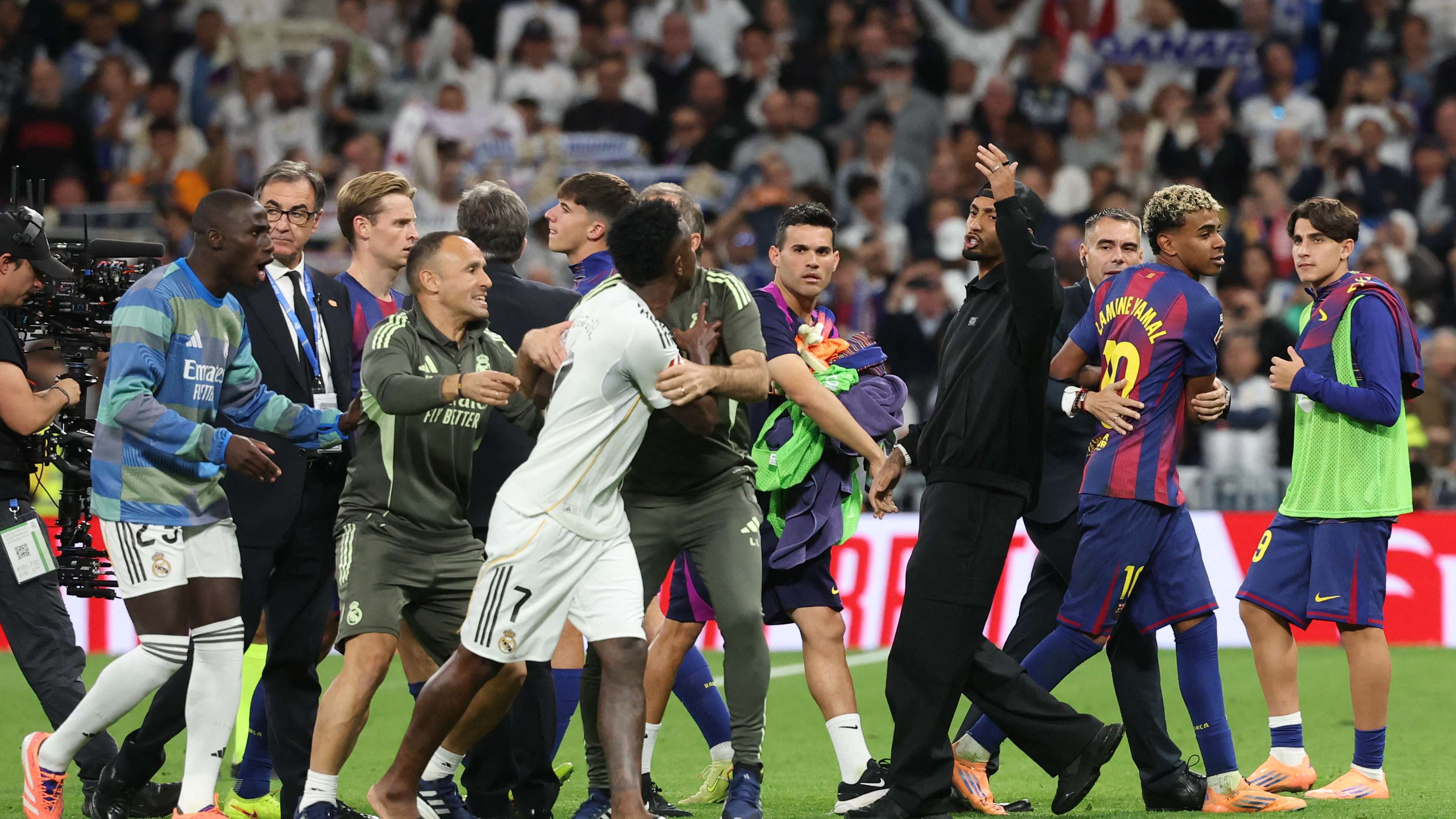
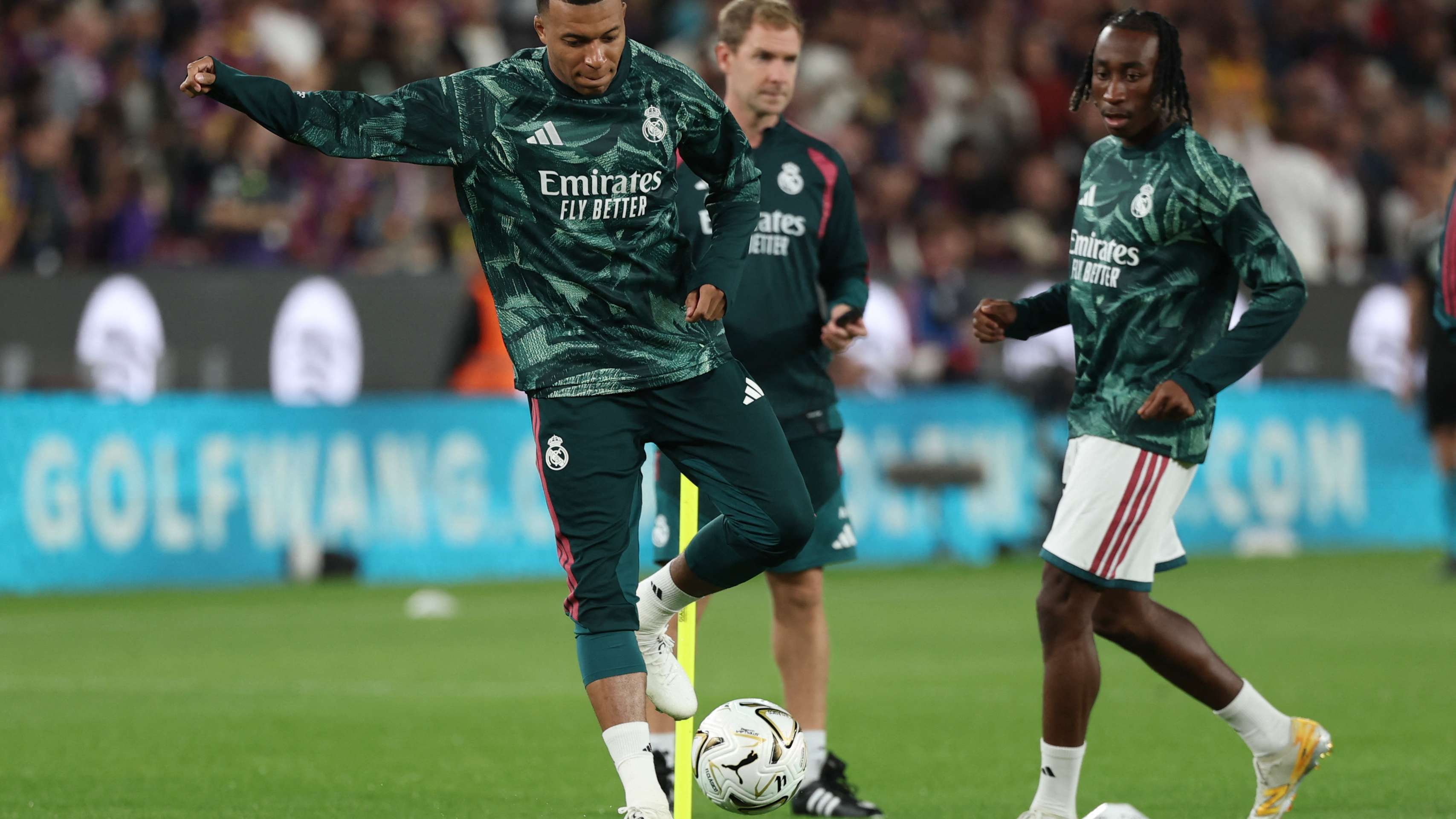
Barcelona supporters gave their players a warm reception as the squad arrived at Spotify Camp Nou for Sunday evening’s La Liga El Clásico against Real Madrid. The home team were greeted with applause and encouragement, while the visiting players faced a markedly less welcoming response, with jeers from sections of the crowd. The contrasting scenes captured the intensity surrounding one of football’s biggest fixtures before a ball had even been kicked.
With the league title race hanging in the balance, the pre-match arrivals offered an early glimpse of the atmosphere awaiting both teams. Barcelona’s players travelled from the Torre Melina Gran Meliá Barcelona Hotel, while Real Madrid’s delegation departed from the InterContinental Hotel. Fans gathered along the route and around the stadium, adding to the anticipation of a contest carrying major consequences for the standings.
La Liga Title Race Raises the Stakes
Barcelona entered the match with home advantage and a chance to strengthen their position at the top of La Liga. A victory would give Hansi Flick’s side a nine-point lead over their historic rivals, a significant cushion at a stage of the season when every result can reshape the title picture. For the hosts, the opportunity was not only to collect three points but also to deliver a statement performance in front of their supporters.
Real Madrid, meanwhile, arrived with a clear objective: avoid defeat and reduce the gap. A positive result would keep the reigning contenders firmly involved in the race and put pressure back on Barcelona. In a rivalry where momentum and confidence often matter as much as the league table, the visitors had plenty to play for despite the challenging atmosphere.
The importance of the fixture also shapes the way both sides approach it. Barcelona can draw energy from the home crowd, but the pressure to turn that support into a result is considerable. Madrid, accustomed to playing under scrutiny, must manage the noise and focus on executing their game plan. That balance between emotion and discipline is often decisive in a Clásico.
Real Madrid Face Key Absences
Madrid’s preparations were complicated by the absence of two prominent players. Goalkeeper Thibaut Courtois was ruled out after coming down with the flu, while forward Vinícius Júnior was unavailable through suspension. Losing an established goalkeeper can affect a team’s communication and confidence at the back, while Vinícius’ absence removes one of Madrid’s most dangerous sources of pace and attacking threat.
Those setbacks may require Madrid to adjust both their personnel and their approach. The replacement goalkeeper will face an immediate test against Barcelona’s attacking options, while the team’s other forwards will need to provide the direct running and creativity that Vinícius often brings. Madrid’s ability to remain compact defensively and make the most of transitions could be especially important in a stadium expected to be loud from the opening whistle.
Still, a missing star does not automatically determine the outcome of a derby. Madrid have regularly relied on squad depth and experience in high-pressure matches, and the responsibility may create an opportunity for another player to step forward. Their challenge will be to prevent Barcelona from controlling the tempo and turning the crowd’s energy into sustained attacking pressure.
Barcelona Look to Lamine Yamal and Raphinha
Barcelona, by contrast, can look to the attacking quality of Lamine Yamal and Raphinha as they seek to make home advantage count. Yamal’s ability to take on defenders and create openings can stretch an opposing back line, while Raphinha offers movement, intensity and a threat around the penalty area. Their performances could be central to Barcelona’s efforts to break through Madrid’s defence.
Flick’s side will also need to combine attacking ambition with careful management of the game. A fast start could lift the home crowd and put Madrid under immediate pressure, but overcommitting forward would leave space for the visitors to exploit. Barcelona’s midfield control, defensive positioning and decision-making in transition may therefore prove just as significant as individual moments of skill.
The matchup offers several tactical questions for supporters to watch. Can Barcelona make effective use of the wide areas? Will Madrid press high or protect space closer to their own goal? And which side will be more clinical when opportunities appear? In a fixture of this magnitude, a single defensive error, set piece or moment of individual brilliance can change the entire narrative.
El Clásico Prediction: Pressure, Momentum and Fine Margins
Any football prediction for El Clásico must account for more than form alone. Barcelona’s home advantage and the possibility of extending their lead make them an appealing choice, while Madrid’s experience and determination to stay in the title race ensure they cannot be discounted. The absences of Courtois and Vinícius may weigh on the visitors, but they do not remove the threat posed by a team accustomed to performing in major matches.
Barcelona’s clearest route to victory is likely to involve patient possession, sharp movement from their forwards and a strong response to Madrid’s counterattacks. The visitors, in turn, will want to stay organised, frustrate the home side and take advantage of any space left behind. If Madrid can keep the contest tight, the pressure may shift back onto Barcelona as the match progresses.
The pre-match applause for the hosts and jeers for the visitors have already underlined the emotional charge of the occasion. Yet the result will be decided on the pitch, where composure, tactical execution and finishing quality will matter most. With a potential nine-point gap at stake, this Clásico is more than a celebrated rivalry: it is a pivotal chapter in the La Liga title race.