
Exploring World Cup History: Records of Top Goalscorers and Prolific Teams
Uncovering the Legends of Football
When it comes to the FIFA World Cup, the tournament’s rich history is filled with remarkable moments, legendary players, and unforgettable goals. Among the many records that have been set over the years, the title for most goals scored in a single World Cup remains a coveted achievement.
One name that stands out in the annals of football history is French icon Just Fontaine. In 1958, Fontaine made headlines by netting an astonishing 13 goals in just six matches, a record that has stood for nearly 70 years. Averaging two goals per game, Fontaine’s remarkable performance in Sweden solidified his place as one of the greatest goalscorers in World Cup history.
Fontaine’s incredible record has only been matched by a select few, including Hungarian forward Sandor Kocsis, who scored 11 goals in 1954, and German legend Gerd Muller, who bagged 10 goals in 1970. Other notable names like Eusebio and Ronaldo Nazario have also come close to challenging Fontaine’s record, showcasing the talent and skill of some of the sport’s most iconic players.
The Prestigious Golden Boot Award
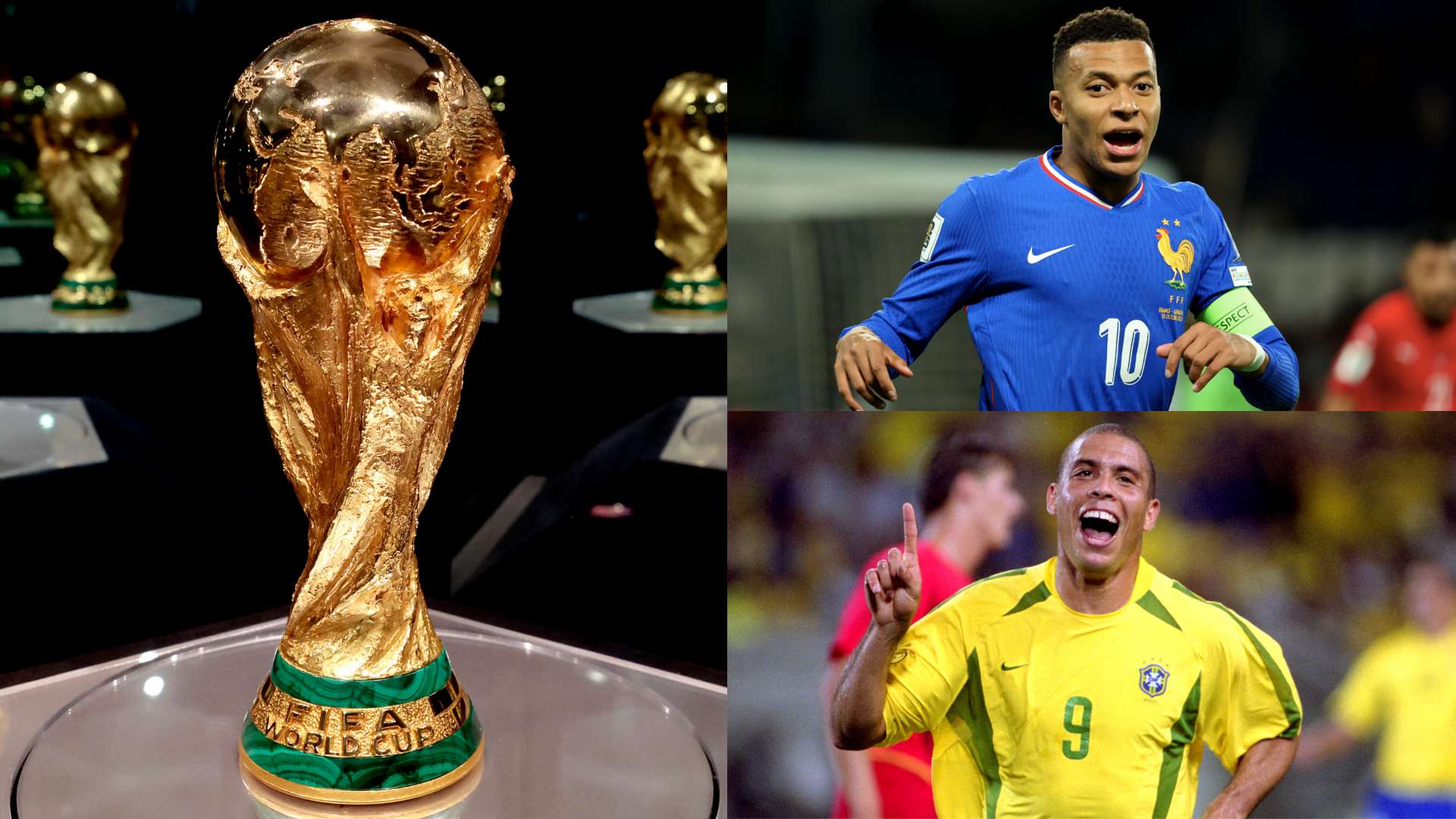
For the top goalscorer in a World Cup, the ultimate prize is the Golden Boot, a prestigious individual accolade that has been won by some of football’s most iconic names. Players like Kylian Mbappe and Ronaldo Nazario have received this coveted award, symbolizing their exceptional goal-scoring prowess on the world stage.
Ronaldo Nazario, in particular, left a lasting legacy in 2002 when he not only won the Golden Boot but also led Brazil to victory in the tournament. His performance remains a testament to the skill and determination required to excel in the World Cup.
Top-Scoring Teams in World Cup History
Aside from individual achievements, the World Cup has also seen some remarkable team performances in terms of goal-scoring. Hungary’s ‘Golden Team’ of the 1950s holds the record for most goals scored by a team in a single World Cup, with an impressive tally of 27 in 1954.
Led by legends like Ferenc Puskas and Sandor Kocsis, Hungary’s dominant display included memorable victories over South Korea and West Germany. Despite falling short in the final, their goal-scoring prowess remains unmatched in World Cup history.
Following closely behind Hungary is West Germany, who scored 25 goals in the same tournament. Their impressive run included high-scoring wins against Turkey and Austria, showcasing their attacking prowess on the world stage.
In Conclusion
As football fans eagerly anticipate the next edition of the FIFA World Cup, the records and achievements of past tournaments serve as a reminder of the sport’s rich history and the incredible talent that has graced the world stage. From legendary goalscorers to dominant teams, the World Cup continues to captivate audiences and inspire future generations of footballers.
The Evolution of World Cup Records
Over the years, the landscape of football and the FIFA World Cup has evolved significantly. While legends like Fontaine, Kocsis, and Muller set the bar high in terms of goal-scoring prowess, newer generations of players have emerged to challenge and surpass these records. With advancements in sports science, training techniques, and tactics, today’s footballers are faster, stronger, and more technically skilled than ever before.
Players like Lionel Messi and Cristiano Ronaldo have redefined the art of goal-scoring, consistently breaking records and pushing the boundaries of what was once thought possible. Messi, in particular, has showcased his incredible skill and precision in front of goal, earning multiple Golden Boot awards and cementing his place as one of the greatest players of all time.
The Impact of Technology and Analytics
Another aspect that has influenced the game of football and the World Cup is the integration of technology and analytics. With the advent of video analysis, GPS tracking, and performance metrics, teams and players now have access to unprecedented amounts of data to enhance their performance and optimize their strategies.
Coaches can now analyze opponents’ tactics, identify weaknesses, and develop game plans with a level of precision that was not possible in the past. Players can track their physical metrics, assess their performance, and make adjustments to improve their overall game. This influx of data has revolutionized the way football is played and has undoubtedly impacted the records and achievements set in the World Cup.
The Globalization of Football and Emerging Powerhouses
As football continues to grow in popularity around the world, the landscape of the World Cup is becoming increasingly competitive. Traditional powerhouses like Brazil, Germany, and Argentina are now facing stiff competition from emerging footballing nations in Africa, Asia, and North America.
Countries like Belgium, Croatia, and Uruguay have made significant strides in recent years, reaching the latter stages of the World Cup and showcasing their talent on the world stage. With the globalization of football and the increasing investment in youth development programs, the next generation of footballers is poised to challenge the records and achievements of the past.
The Future of World Cup Records
As we look ahead to future editions of the FIFA World Cup, one can only imagine the records that will be broken and the new legends that will emerge. With the game evolving at a rapid pace and the level of competition reaching new heights, the stage is set for more incredible feats and memorable moments in football history.
Whether it’s a prolific goalscorer breaking Fontaine’s long-standing record or a team setting a new benchmark for goal-scoring excellence, the World Cup continues to be a stage where dreams are realized and legacies are forged. As fans eagerly await the next chapter of this iconic tournament, one thing is certain – the world of football is full of surprises, and the records of the past are just the beginning of what is yet to come.