
Adil Rami Faces Backlash After Criticising Alexia Putellas’ Ballon d’Or Speech
Former France international defender Adil Rami has sparked a heated social media debate after criticising Alexia Putellas for the length of her speech at the 2026 Ballon d’Or ceremony. His comments, made during a Twitch broadcast, drew accusations of misogyny and renewed discussion about how women’s achievements are treated in football.
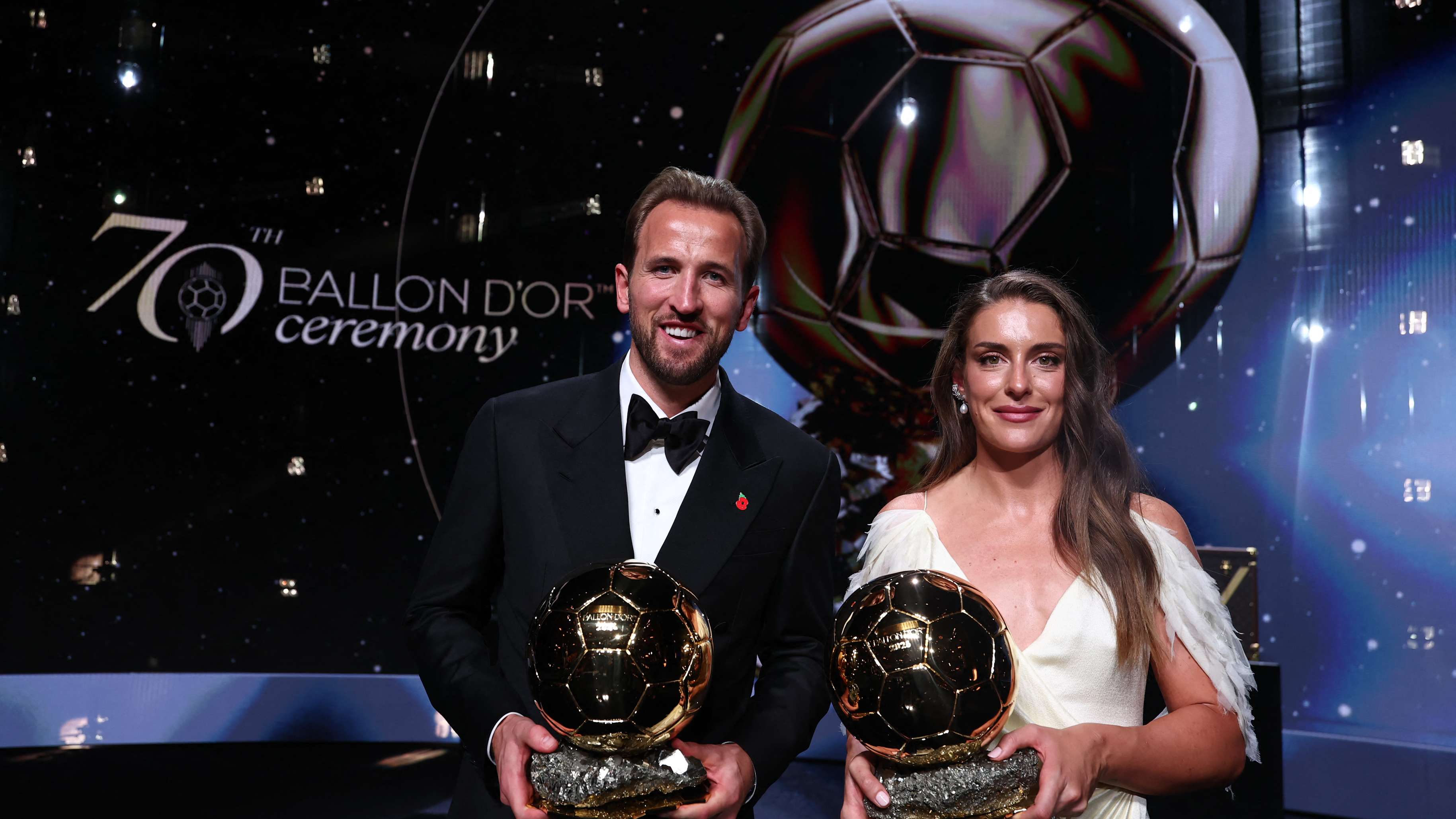
Putellas, the Spanish midfielder who now plays for London City, collected the Ballon d’Or for the third time last Monday. In her address, she thanked her former Barcelona teammates, her family and the people who supported her throughout her career. She also reflected on the difficult recovery from a serious knee injury that once left her uncertain whether she would return to the pitch.
Rami, a member of France’s 2018 World Cup-winning squad, objected to the speech’s duration. “Alexia Putellas began speaking, it was funny, but man, turn the microphone down, just turn the damn microphone down,” he said on Twitch. He later added that she could speak at length on her own platform instead.
Why Rami’s Remarks Triggered a Wider Debate
The reaction was swift. Many social media users argued that Rami’s words were dismissive of a major moment in Putellas’ career, while others questioned whether he would have made the same complaint about a male player. Foot Mercato reported that the comments prompted a wave of criticism online.
One comparison became central to the discussion: England striker Harry Kane reportedly spoke for three minutes longer than Putellas while accepting his Ballon d’Or award, yet Rami did not direct the same criticism at him. For critics, that contrast raised questions about unequal expectations placed on women in sport—particularly when they use a high-profile stage to discuss their personal journeys as well as their achievements.
The debate is not simply about whether an awards speech was too long. Ceremonies often involve lengthy tributes, career reflections and acknowledgements of teammates, family and staff. Supporters of Putellas argued that her remarks were a meaningful part of the occasion, while critics of Rami’s reaction said his choice of language turned a comment about timing into a personal attack.
Putellas’ Speech Recalled a Difficult Road Back
Putellas’ address carried particular emotional weight because it touched on the injury that interrupted her career. Recalling the recovery process, she said: “I remember the times when my leg failed me, when I learned to walk again, to run again, and to kick a ball.”
That passage described more than a physical rehabilitation programme. For an elite footballer, a serious knee injury can disrupt training, competition and confidence, while leaving the future of a career uncertain. Putellas’ account offered the audience a glimpse of the work behind her return to the game—and the personal significance of winning football’s most celebrated individual prize again.
Her remarks also recognised the teammates who shared her success at Barcelona. During the previous season, the club won La Liga, the Copa de la Reina, the Spanish Super Cup and the Champions League. Those achievements helped define a remarkable period for the team and formed an important part of the story Putellas chose to tell from the stage.
Football’s Awards Stage Is Also a Platform
The controversy highlights how the Ballon d’Or has become more than a ceremony announcing individual winners. It is a global platform where players can reflect on their careers, thank the people around them and speak about obstacles that are often invisible to supporters. A speech may therefore be judged not only by its length, but by what it represents to the person delivering it and the audience listening.
At the same time, public figures who comment on awards ceremonies can quickly shape the conversation around them. Rami’s remarks were delivered in a casual online setting, but their reach extended far beyond his Twitch audience. In the social media era, a short reaction can become a headline, invite comparisons and prompt wider scrutiny of the standards applied to male and female athletes.
That scrutiny matters in women’s football, which has gained greater visibility through international tournaments, club competitions and individual honours. Players such as Putellas have helped raise the profile of the sport, and their public recognition often carries significance beyond the result itself. For many fans, hearing a leading player describe the setbacks behind her success is part of what makes an award moment memorable.
What Happens Next?
Rami’s comments have already fuelled debate about respect, media attention and gender in football. Whether the discussion fades or continues will depend partly on any further response from the people involved, but the episode has made one point clear: remarks made about a player’s speech can quickly become a broader conversation about whose stories are considered worth hearing.
There is no meaningful football prediction to make about how the controversy will develop, but the likely focus will remain on the contrast highlighted by critics and on the context of Putellas’ speech. Her third Ballon d’Or win, her return from injury and Barcelona’s trophy-laden season stand as the central facts of her achievement. The debate surrounding Rami’s reaction has added another layer to an evening that was intended to celebrate the best of the game.