
Massimo Ambrosini Delivers Blunt Assessment of Juventus After Difficult Performance
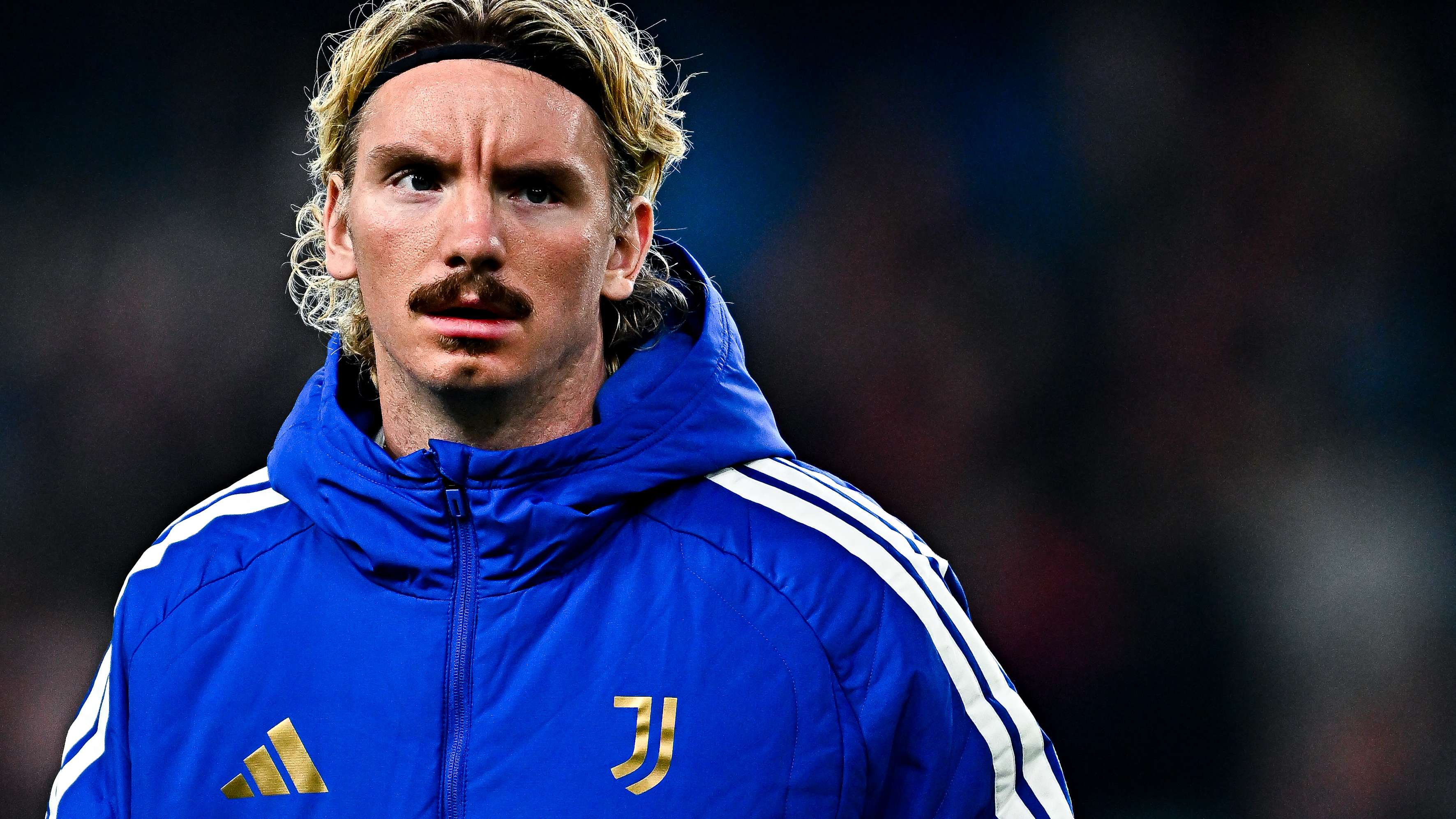
Former AC Milan and Italy midfielder Massimo Ambrosini has offered a stark assessment of Juventus, saying the team looked overwhelmed during a disappointing display against Genoa. Speaking to DAZN, Ambrosini criticised the Bianconeri’s lack of control and attacking threat, particularly in the opening half, and questioned whether they ever appeared capable of changing the course of the match.
“I saw a dreadful Juventus side, particularly in the first half, overwhelmed by Genoa’s intensity and energy,” Ambrosini said. He acknowledged that the contest became more balanced after the break, but added that Juventus never seemed likely to turn the situation around. His comments underline the scale of the challenge facing the Turin club as it looks to find greater consistency in Serie A.
Genoa’s Energy Exposes Juventus’ Problems
Ambrosini’s main concern was Juventus’ response to Genoa’s aggressive approach. The hosts brought pace, pressure and determination to the contest, disrupting the visitors’ attempts to establish a rhythm. When a team struggles to play through an opponent’s press, it can become difficult to retain possession, build attacks and create opportunities in dangerous areas. In Ambrosini’s view, Juventus were unable to cope with those demands for much of the first half.
The criticism was not simply about the result or an isolated mistake. It focused on the broader impression Juventus created: a side that appeared short of energy and unable to impose its preferred style. For a club with Juventus’ ambitions, that kind of performance is likely to prompt questions about concentration, preparation and the team’s ability to respond when opponents raise the intensity.
Genoa, by contrast, appeared to make the most of their physical and emotional momentum. Strong pressure can unsettle even experienced teams, especially when it is applied collectively. By closing down space and challenging Juventus early, Genoa made it harder for the visitors to settle into possession. That approach offered a reminder that tactical discipline and work rate can be just as important as individual quality in a demanding football match.
A More Even Second Half, but No Juventus Comeback
The balance of the game improved after half-time, according to Ambrosini, but the change did not translate into a convincing Juventus revival. A more even contest can indicate that a team has adjusted its shape or improved its possession, yet it does not necessarily mean that it is creating enough chances to win. Ambrosini’s conclusion was that Juventus never looked capable of completing a turnaround.
That distinction matters. Teams chasing a game need more than a spell of improved control; they also need sharper movement, quicker decisions and a clear route to goal. Juventus may have found it easier to compete after the interval, but Ambrosini did not see the attacking conviction required to make Genoa genuinely fear a late comeback.
For supporters, the second-half response may therefore offer limited reassurance. There can be value in stabilising a match after a poor start, but Juventus will need to show that they can turn improved balance into sustained pressure and meaningful chances. Without that next step, a better spell risks looking like damage limitation rather than evidence of a genuine recovery.
What Ambrosini’s Comments Mean for Juventus
Ambrosini’s remarks add to the scrutiny that naturally follows a disappointing Juventus performance. The club is judged not only on results but also on its ability to control matches and demonstrate the authority expected of a leading Serie A side. When Juventus are dominated for long periods, attention quickly turns to the team’s structure, intensity and collective confidence.
However, one assessment should not be treated as a complete verdict on the season. Football campaigns are shaped by changing form, injuries, tactical adjustments and the quality of opposition. A difficult match can reveal weaknesses, but it can also provide a clear reference point for improvement. Juventus’ response in the games that follow will be more revealing than any single post-match judgment.
The coaching staff will likely focus on how the team handles pressure, particularly in the early stages of matches. A stronger start can help Juventus avoid being forced into reactive football, while more coordinated movement in midfield may make it easier to escape aggressive pressing. The team will also need to improve the connection between its midfield and forwards if it is to create more reliable scoring opportunities.
Next Match: Juventus Prepare to Face Napoli
Juventus’ next listed Serie A fixture is against Napoli on 2 November 2026, with kick-off scheduled for 03:45. The match gives the Bianconeri an immediate opportunity to respond, although Napoli will present a demanding test. A high-profile opponent can expose the same issues Ambrosini identified, particularly if Juventus again struggle to match the opposition’s pace and intensity.
For Juventus, the key will be turning criticism into practical improvements. A more assertive opening, better control of the midfield and greater composure under pressure would all help address the concerns raised by Ambrosini. The team must also show more purpose in the final third, where possession needs to lead to penetration rather than simply slowing the game down.
Napoli, meanwhile, will be looking to take advantage of any uncertainty. That makes the fixture an important measure of Juventus’ resilience as well as their tactical progress. If the Bianconeri can respond with greater energy and a clearer attacking plan, they can begin to shift the narrative. If the same problems persist, questions about their consistency are likely to grow.
Juventus Prediction: A Crucial Test of Character
Any prediction for Juventus’ next match must account for the uncertainty created by their recent performance. Their quality and experience mean they cannot be dismissed, but the concerns about intensity and attacking threat make a comfortable result difficult to assume. The outcome may depend on whether Juventus can establish control early and prevent Napoli from dictating the tempo.
Ambrosini’s assessment is ultimately a warning about performance standards rather than a final judgment on Juventus’ season. The second half showed that the team could compete more evenly, but his central point remains: Juventus did not look equipped to turn the match around. Their challenge now is to prove that the display was a setback, not a pattern—and that they can meet the physical and tactical demands of top-level football when the pressure rises.