
Nick Woltemade Faces Fresh Scrutiny as Juventus Lose to Genoa
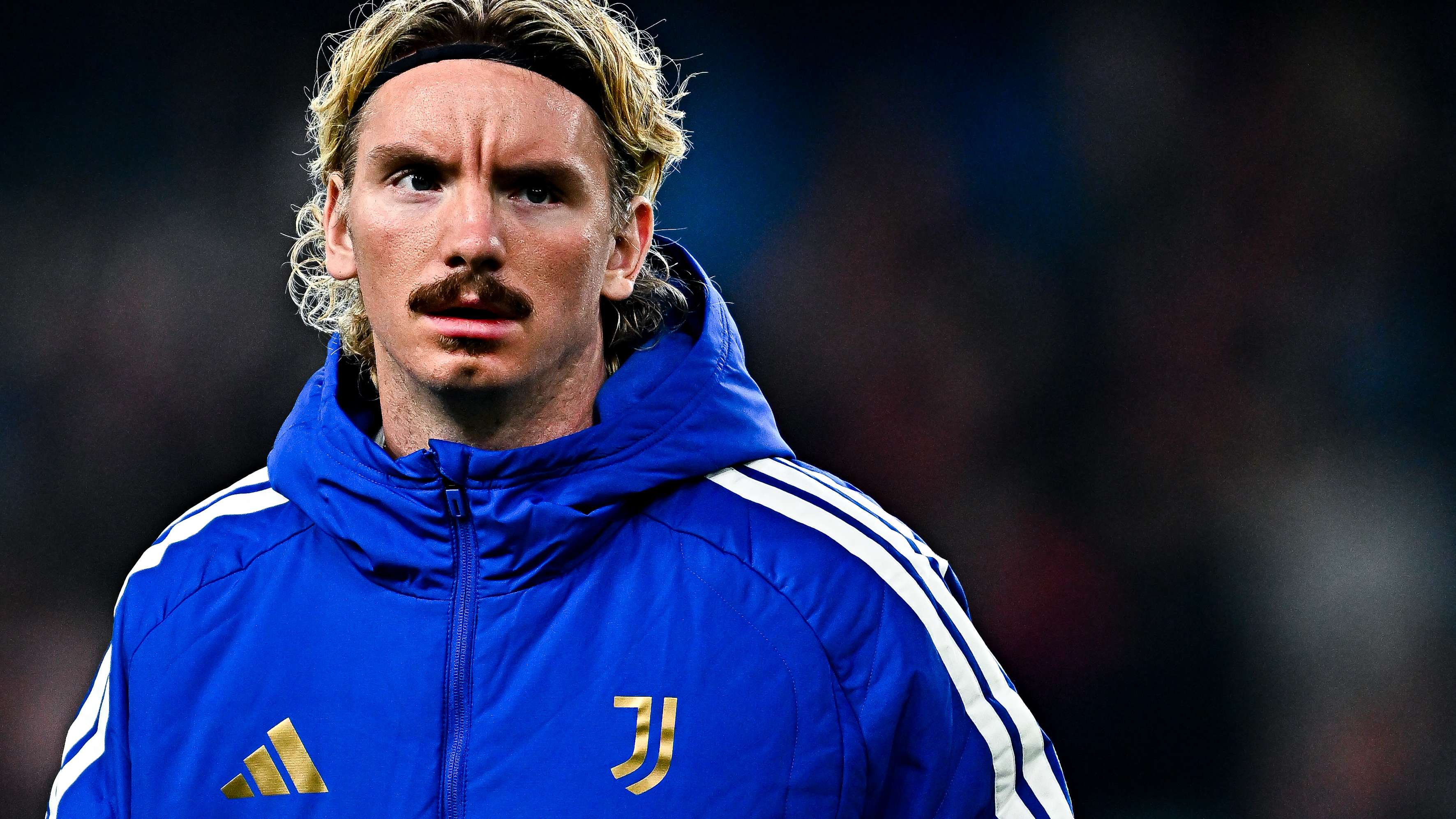
Juventus’s 2-0 defeat to Genoa has intensified questions about the team’s attacking form, Nick Woltemade’s impact and the future of head coach Luciano Spalletti. The German forward entered the match at half-time with the Bianconeri already trailing by two goals, but could not change the result. His late header was saved by Genoa goalkeeper Justin Bijlow, leaving Woltemade still searching for his first Serie A goal.
The loss has added to the pressure surrounding Juventus, who have slipped to eighth in the league standings and are falling further behind the leading sides. Italian media reports suggest the club’s management are weighing their options, including possible replacements for Spalletti. While those reports do not confirm that a decision has been made, the result has made the coach’s position a major talking point.
Woltemade’s Second-Half Chance Comes to Nothing
Spalletti introduced Woltemade at the start of the second half, taking off defender Federico Gatti as Juventus looked for a more direct attacking threat. The forward became involved and found opportunities to contribute, but the visitors struggled to turn their possession and pressure into goals.
Woltemade’s clearest chance arrived in the closing moments. He connected with a header that appeared to offer Juventus one final opportunity to reduce the deficit, only for Bijlow to make the save. The effort showed the kind of presence Juventus need from a centre-forward, but its timing meant it could not prevent another damaging result.
The 24-year-old’s continued wait for a Serie A goal has made each appearance more closely scrutinised. For a striker, scoring is only one part of the job: movement, link-up play, pressing and creating space for teammates all matter. Yet when a team is short of goals, those contributions can be overshadowed by missed chances and the absence of a decisive finish.
Italian Newspapers Deliver Blunt Verdicts
Woltemade received a rating of 5.5 from Gazzetta dello Sport, which argued that Genoa’s compact defence left him with little room to operate. The newspaper also pointed to his late header, suggesting it came too late to alter the outcome. The assessment reflected the broader frustration around Juventus’s inability to break down an organised opponent.
Tuttosport also gave the forward a 5.5 rating. Its criticism focused on the gap between Juventus’s attacking ideas and their need for goals, noting that technical touches and backheels offer limited value when the team cannot make effective use of the penalty area. The paper also questioned the current partnership between Woltemade and Randal Kolo Muani, suggesting the pair have not yet established the presence or directness Juventus require up front.
Such reviews are part of the intense scrutiny that comes with playing for one of Italy’s most prominent clubs. A difficult run can quickly turn individual performances into a larger debate about recruitment, tactics and whether the team has the right balance in attack. For Woltemade, the immediate challenge is to turn promising moments into consistent end product.
Former Striker Questions Juventus’s Centre-Forward Options
Criticism of Juventus’s attack had already surfaced before the Genoa match. Former Italian forward Marco Borriello said the club had a serious problem at centre-forward and described Woltemade as technically gifted but predictable at the highest level. His remarks were particularly pointed about the ruthlessness required in Serie A, where chances can be scarce and forwards are often judged by their ability to decide tight matches.
The comments underline a tactical issue as much as an individual one. Juventus need their central attackers to offer different solutions: holding the ball under pressure, attacking crosses, making runs behind the defence and creating openings for players arriving from midfield. If opponents can anticipate a striker’s movement, they can defend more comfortably and force the team to rely on lower-percentage chances.
That does not mean Woltemade’s role is beyond improvement. Greater understanding with his teammates, sharper movement inside the box and more frequent involvement in dangerous areas could help him become a more effective option. But the responsibility is shared: Juventus must create better service and develop a coherent attacking structure rather than expecting one forward to solve every problem.
Spalletti Under Pressure as Juventus Consider Their Options
Juventus’s position in the table has increased attention on Spalletti. According to La Stampa, club officials are considering possible successors, although speculation about candidates should not be mistaken for confirmation that the coach is about to be dismissed. In football, results often shape the conversation quickly, particularly when a club’s ambitions are not matched by its league position.
Antonio Conte has reportedly emerged as a leading name in the discussion. Stefano Pioli and Didier Deschamps have also been mentioned as potential candidates. Deschamps has a previous connection with Juventus, having coached the club during the 2006/07 season. He has also spoken publicly about viewing his departure as a mistake, fuelling speculation about whether a return could be possible.
Any change in the dugout would carry significant consequences. A new coach could bring a different tactical approach and renewed energy, but would also need time to assess the squad and build relationships with the players. Juventus’s management must weigh those possibilities against the disruption and uncertainty that can accompany a mid-season appointment.
What Comes Next for Juventus and Woltemade?
Juventus’s next league fixture against Napoli on 2 November presents a demanding opportunity to respond. The match could prove important for the team’s confidence and for Spalletti’s position, while also offering Woltemade another chance to make a stronger impression. Against a high-profile opponent, Juventus will need more than attractive combinations: they must turn attacking moments into clear chances and goals.
The prediction for Juventus’s immediate future depends on whether the team can improve its efficiency in front of goal. Woltemade remains under pressure to find his first Serie A strike, but a single goal would not resolve every concern. Juventus need a more reliable attacking pattern, greater penalty-area presence and improved coordination among their forwards.
For now, the defeat to Genoa has sharpened the debate around both the German striker and the coach. Woltemade’s late header showed that opportunities can still arrive, but Juventus need them earlier and more often. With the league table tightening the pressure, the coming matches may determine whether the club can steady its season—or whether speculation about major changes grows louder.