
Understanding the Role of beIN Sports in Global Football Broadcasting
In the dynamic world of international football, television broadcasting rights play a crucial role in shaping the sport’s commercial landscape, fan engagement, and predictive analytics. One of the most influential players in this arena is beIN Sports, a prominent sports channel network that has significantly impacted how football matches are viewed worldwide. However, recent developments have cast a shadow over the organization, raising questions about conflicts of interest, governance, and the integrity of football broadcasting deals.
Who is Nasser Al-Khelaifi, and What Is His Connection to beIN Sports?
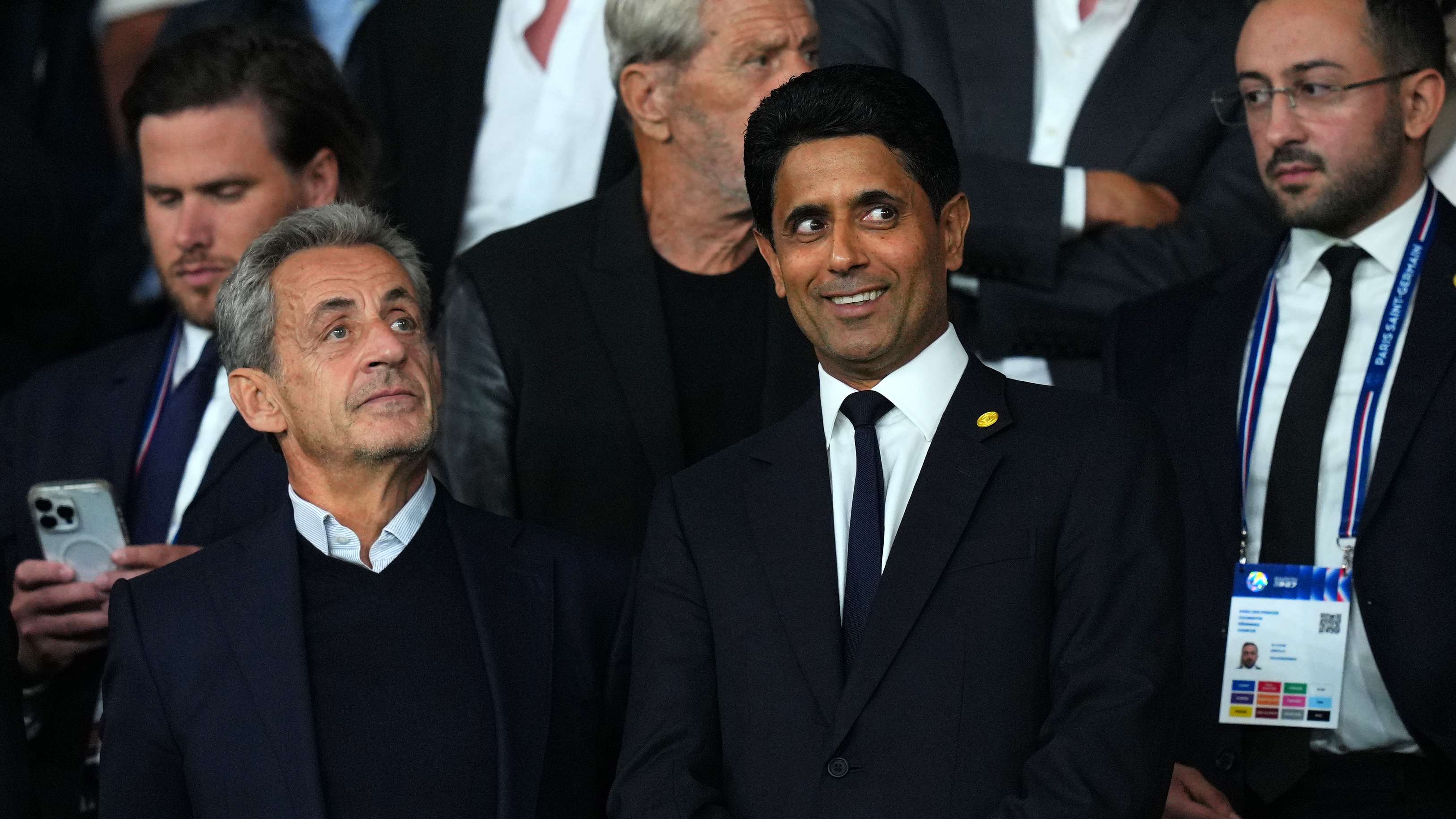
Nasser Al-Khelaifi is a well-known figure in the football world, serving as the president of Paris Saint-Germain (PSG), one of Europe’s most successful and popular clubs. In addition to his football presidency, Al-Khelaifi holds a key leadership role as the director of beIN Sports, a global sports broadcasting network headquartered in Doha, Qatar. Under his leadership, beIN Sports has secured broadcasting rights for numerous high-profile football competitions, including Ligue 1, the UEFA Champions League, and international tournaments like the FIFA World Cup.
Al-Khelaifi’s dual roles have positioned him as a powerful influencer in football and sports media. While his impact has driven the growth and reach of football broadcasting, recent investigations suggest that his involvement in negotiating and distributing broadcasting rights might have involved conflicts of interest—raising concerns among industry observers, fans, and regulatory authorities alike.
The French Judicial Investigation: What’s Happening?
In a development that has sent ripples through the football community, French judicial authorities announced an investigation into Nasser Al-Khelaifi over alleged conflicts of interest related to the distribution of French Ligue 1 broadcasting rights. The Paris public prosecutor’s office confirmed the probe on a recent Sunday, highlighting the seriousness of the allegations.
The controversy centers around Al-Khelaifi’s alleged intervention in the allocation and negotiation of TV rights for Ligue 1, France’s premier football league, particularly focusing on the summer of 2024. Critics and watchdog organizations have accused him of exerting undue influence to sway decisions in favor of beIN Sports, potentially at the expense of fair competition and transparency.
Details of the Investigation and Key Allegations
According to reports from the Spanish sports newspaper Marca, the investigation specifically examines Al-Khelaifi’s role in brokering a deal involving the broadcasting rights for Ligue 1 matches scheduled for 2024. The concern is that his actions may have influenced the league’s decision-making process, leading to a conflict of interest given his position as both PSG president and head of beIN Sports.
Further, the French newspaper L’Équipe revealed that the French anti-corruption agency, Anticor, had filed an official complaint last April, prompting the opening of a formal investigation into the matter. The complaint alleges that Al-Khelaifi’s intervention was aimed at influencing the Ligue’s decision to favor certain broadcasters, particularly the joint broadcasting proposal involving the British platform DAZN and beIN Sports.
The Controversial Deal: A Closer Look
In July 2024, Al-Khelaifi reportedly intervened to facilitate a joint broadcasting arrangement between DAZN and beIN Sports. Under this agreement, DAZN paid €400 million to broadcast eight Ligue 1 matches, while beIN Sports paid an additional €100 million for a single match. This move was reportedly made at the request of several club presidents who feared that without such negotiations, the league might struggle to secure lucrative broadcasting deals.
However, the deal did not proceed smoothly. DAZN, which initially appeared to be a promising partner, eventually withdrew from the contract after failing to generate the anticipated profits. This setback prompted the French Ligue to take matters into its own hands, establishing its dedicated television channel to broadcast Ligue 1 matches directly to fans—an unprecedented move in French football broadcasting history.
Implications for Football Prediction and Market Transparency
The controversy surrounding Al-Khelaifi and beIN Sports underscores the importance of transparency in football broadcasting rights, especially as the industry increasingly leans on data-driven predictions and analytics. Accurate football prediction models rely heavily on comprehensive, unbiased data and fair access to broadcasting rights, which influence fan engagement, betting markets, and the overall economics of the sport.
Any conflicts of interest or manipulation in rights distribution can distort market dynamics, skew prediction models, and undermine trust among fans and stakeholders. As football continues to grow as an international betting and prediction market, ensuring transparent and equitable rights allocation becomes more critical than ever.
Broader Context: Similar Conflicts of Interest in Football
The Al-Khelaifi case is not isolated. It echoes past controversies involving other football executives and broadcasters. For instance, Nicolas de Tavernost, the former president of the French Ligue+ channel, publicly criticized a suspected conflict of interest last winter. He revealed that he had been close to finalizing an agreement with FIFA to broadcast all World Cup matches in the United States, a move that he believed could have conflicted with other interests within the football hierarchy.
Such cases highlight the complex web of negotiations, alliances, and competing interests that characterize the modern football broadcasting industry. They also emphasize the need for robust regulatory oversight to maintain integrity and promote fair competition in the market.
What’s Next for beIN Sports and the Future of Football Broadcast Rights?
The ongoing investigation into Al-Khelaifi’s conduct raises significant questions about governance and transparency within football broadcasting. It also prompts broader discussions on how media rights are negotiated, distributed, and regulated across different leagues and markets.
As the legal process unfolds, stakeholders—including fans, clubs, and regulatory bodies—will be watching closely. The case could lead to reforms aimed at increasing transparency and reducing conflicts of interest in the allocation of football broadcasting rights, ultimately benefiting the integrity of the sport and the accuracy of football predictions used by fans and betting companies alike.
Conclusion: The Significance of Transparency in Football Prediction and Market Integrity
In conclusion, the controversy surrounding Nasser Al-Khelaifi and beIN Sports underscores the vital importance of transparency, fairness, and ethical governance in football broadcasting rights. For fans and industry observers interested in football prediction markets, ensuring that broadcasting deals are free from conflicts of interest is essential for maintaining trust and accuracy in prediction models.
This case serves as a reminder that the integrity of the sport depends not only on the quality of play but also on the fairness of the commercial and regulatory frameworks that support it. As investigations continue, the football community eagerly anticipates reforms that will foster transparency and uphold the sport’s integrity for generations to come.