
Lahore Qalandars appoint Aminul Islam as High-Performance Centres adviser
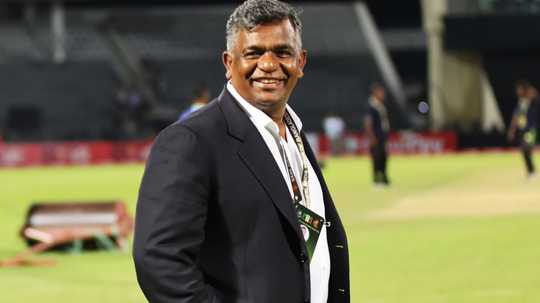
Lahore Qalandars have appointed former Bangladesh captain Aminul Islam as an adviser to the franchise’s High-Performance Centres, adding a seasoned cricket administrator and former international player to their development programme. Islam will offer guidance on how the centres can support emerging talent, strengthen coaching practices and create clearer routes for young cricketers seeking to advance in the game.
The appointment brings together two strands of Islam’s career: his experience on the field and his long record in cricket development across Asia. Lahore Qalandars hope to draw on both as they continue to build opportunities for players beyond the first team. His advisory work is expected to focus on the structure and direction of the centres, with an emphasis on helping promising players develop the skills and habits needed to progress.
A development-focused role at Lahore Qalandars
High-performance programmes are designed to do more than identify talented players. They can help young cricketers improve their technical ability, physical preparation, tactical understanding and confidence in competitive situations. Islam’s input will support Lahore Qalandars as they assess how their centres can bring these elements together in a more consistent development pathway.
That work may include reviewing coaching methods, considering how players move from grassroots cricket into more advanced training, and helping create an environment where talent can be developed over time. A clear pathway matters because young players often need sustained coaching and access to meaningful competition—not simply a single trial or short-term opportunity—to make progress.
For a franchise competing in a high-profile cricket environment, investment in development can also strengthen the connection between local communities and the professional game. High-performance centres can give aspiring players access to structured training while offering coaches a setting in which to identify potential and refine their approach. Islam’s advisory role gives the Qalandars an experienced perspective as they shape that work.
Experience across Asian cricket
Islam brings substantial knowledge of cricket administration and development. From 2015 to 2025, he served as the International Cricket Council’s Cricket Development Manager for Asia. He also worked as a Cricket Development Officer with the Asian Cricket Council, roles that gave him a broad view of how the sport is organised and grown across different countries and cricketing communities.
His regional experience is particularly relevant to Lahore Qalandars’ plans for outreach in Bangladesh. The franchise hopes to use his understanding of cricket development in the country to support initiatives that build connections and create opportunities for players. Such programmes can help widen participation, share coaching knowledge and encourage young cricketers to pursue the sport through structured channels.
Cricket development across Asia takes place in varied settings, with differences in facilities, resources and access to regular competition. Experience working at regional level can help an adviser recognise those differences and consider approaches that suit local needs. Islam’s background gives the Qalandars a potential bridge between their development ambitions in Pakistan and their outreach interests in Bangladesh.
From international captain to cricket administrator
Before moving into development and administration, Islam built a significant playing career with Bangladesh. He represented his country from 1988 to 2002 and captained the side at the 1999 World Cup. His time in international cricket gave him first-hand experience of the demands placed on players as they prepare, compete and adapt at the highest level.
That playing perspective can complement his administrative work. Advising on a high-performance environment requires an understanding of both the systems around a player and the everyday realities of training and competition. Islam’s career has taken him through both worlds, from international cricket to roles focused on building the sport’s reach and supporting its future participants.
He has also served as president of the Bangladesh Cricket Board, giving him experience at the leadership level of the game. Together, his playing, governance and development roles provide a wide-ranging background for his new position with Lahore Qalandars.
Why the appointment matters for young cricketers
For aspiring players, the most effective development systems offer more than access to facilities. They provide knowledgeable coaching, regular feedback, opportunities to test skills under pressure and guidance on what it takes to progress. Lahore Qalandars’ decision to bring in an adviser with experience across these areas signals an interest in strengthening the foundations behind player development.
Islam’s contribution may also help the franchise think beyond immediate team results. While professional cricket naturally draws attention to match performances and league standings, long-term success depends in part on the quality of the talent pipeline. A well-planned pathway can help players make the transition from local cricket to higher levels of competition while giving coaches a clearer framework for supporting them.
There is no single prediction that can determine how quickly a development programme will produce elite players. Progress depends on coaching quality, player commitment, access to competition and the consistency of support. Still, combining Lahore Qalandars’ high-performance infrastructure with Islam’s regional expertise could give the centres a stronger foundation for pursuing sustained growth.
A regional outlook for the Qalandars
The appointment reflects a broader view of cricket development: talent can emerge in many places, but it needs pathways that help it flourish. By involving Islam in the development of its High-Performance Centres and its Bangladesh outreach, Lahore Qalandars are linking local player development with a wider regional perspective.
For the franchise, the next step will be turning advice into practical programmes that benefit players and coaches. For young cricketers, the potential value lies in stronger support, clearer progression routes and greater access to development opportunities. Islam’s appointment does not guarantee outcomes, but it adds a respected and experienced voice to the Qalandars’ efforts to invest in the future of cricket.