
Andreas Christensen’s Barcelona Comeback Raises Fresh Fitness Concerns
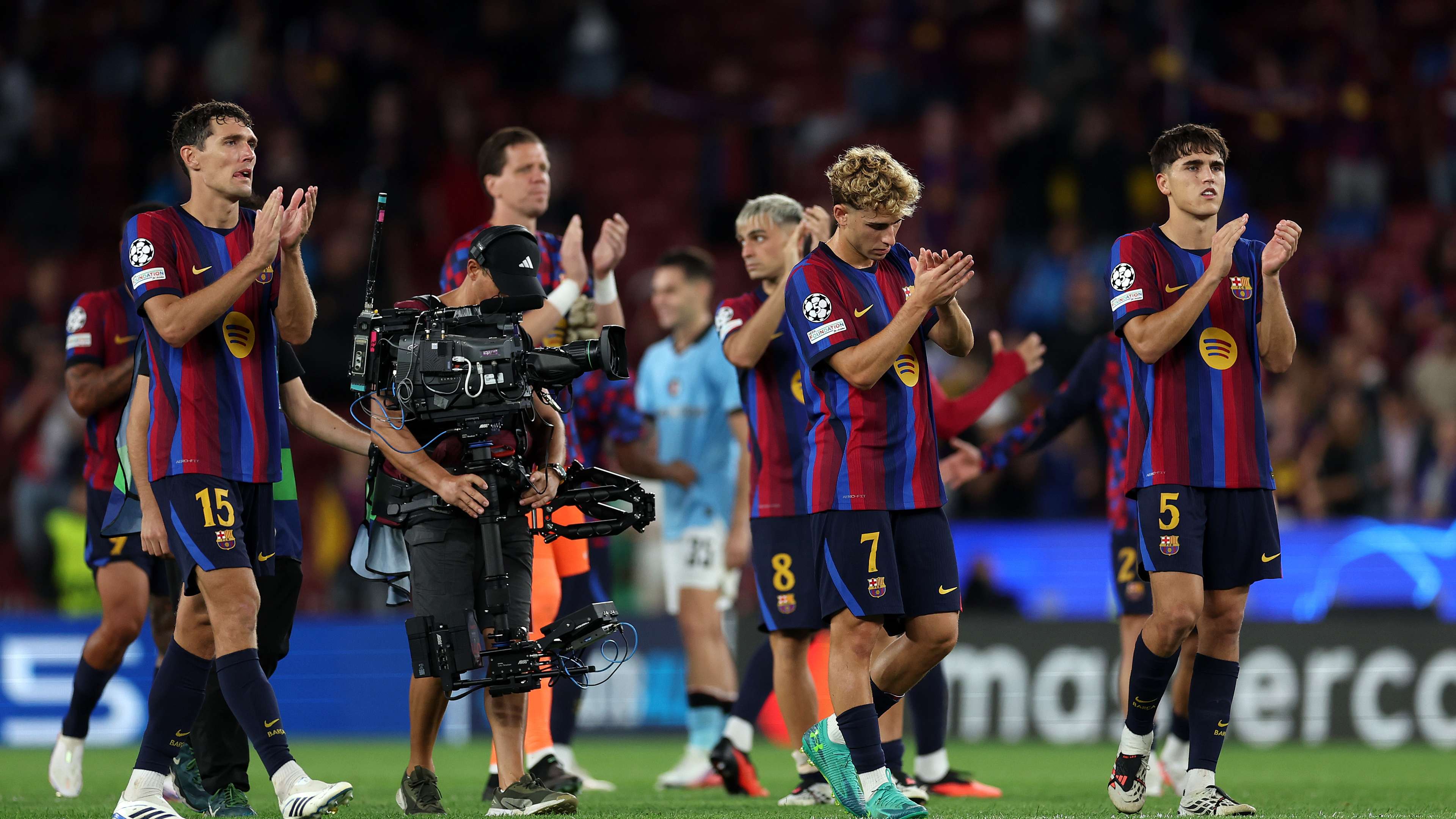
Andreas Christensen has returned to the pitch for Barcelona, but his latest appearance has not ended concerns about his fitness. The Danish defender played the final 30 minutes of Sunday’s La Liga match against Atlético Madrid at the Metropolitano, marking his first action after more than six weeks out with a muscular injury to his left thigh.
His comeback is a welcome step for Barcelona, who value Christensen’s composure, experience and ability to play across the defensive line. Yet the 30-year-old’s decision to withdraw from Denmark’s squad for the current international break shows that he does not consider himself ready for a full return to competitive football. For both club and country, the priority is now to rebuild his match fitness without risking another setback.
Christensen chooses caution over an international return
Denmark head coach Brian Riemer said Christensen made the decision himself after assessing his physical condition. According to comments reported by Tipsbladet, the defender apologised for being unavailable because he did not feel prepared to take part in international matches.
Riemer underlined that Christensen’s absence was not a sign of diminished commitment to Denmark. The coach said the Barcelona player loves representing his country and was deeply upset about missing the opportunity. Their phone conversation, Riemer recalled, carried the emotion of someone frustrated by his circumstances rather than someone reluctant to join the national team.
That distinction matters for a player whose recent career has repeatedly been interrupted by physical problems. Christensen has spent long periods working his way back from injury, only to face fresh questions about his readiness. After missing more than a month and a half with a rectus femoris issue, returning for a short spell against Atlético was progress—but it was not proof that he could yet manage the demands of a full match.
Why a gradual return is important
Riemer has urged patience, noting that even a brief substitute appearance does not mean a player is ready to compete for 90 minutes at the highest level. Christensen may be able to train and contribute in limited bursts, but rebuilding endurance, sharpness and confidence takes time after a lengthy layoff.
That approach is familiar in modern football, where clubs and national teams increasingly manage returning players through carefully controlled workloads. A defender must do more than run freely: he needs to react to changes of direction, challenge for the ball, track quick forwards and make decisions under pressure. Those demands can expose a muscle that has not fully recovered, particularly when the player has already experienced repeated setbacks.
Barcelona will therefore have reason to monitor Christensen’s minutes closely in the coming weeks. A cautious progression—from training work to substitute appearances and, eventually, longer outings—could help him regain rhythm while limiting the chance of aggravating the injury. The immediate aim is not simply to get him back on the team sheet, but to make sure he can stay available.
A difficult injury record at Barcelona
Christensen’s latest absence adds to a challenging run of seasons. He has already missed seven matches for Barcelona this campaign because of injury. That figure may look manageable in isolation, but it comes after much more disruptive periods that have restricted his ability to build continuity.
Last season, he missed 36 matches for club and country while dealing with a succession of injuries and physical issues, including a cruciate ligament tear. His time on the sidelines was even more extensive in 2024–25, when Achilles tendon problems and a persistent muscular condition reportedly kept him out of 50 matches.
Those interruptions have made it difficult for Christensen to establish a consistent run of football. For a centre-back, continuity is especially valuable: partnerships with teammates develop through repeated minutes, while timing and communication can suffer when a player is frequently unavailable. His experience and tactical understanding remain important assets, but Barcelona need him fit enough to contribute regularly if he is to play a meaningful role over the long term.
Contract extension offers reassurance, but fitness remains key
Barcelona recently agreed a two-year contract extension with Christensen, a sign that the club continues to value what he can offer. His calm distribution, positional awareness and versatility make him a useful option in defence. However, the extension does not remove the practical challenge of managing his workload. Availability will remain central to how much the team can rely on him.
For the player, the international break offers time to focus on recovery rather than travel and competitive fixtures. While missing Denmark duty is clearly disappointing, avoiding an early return may be the more sensible choice after his latest injury. Christensen’s decision also reflects the difficult balance faced by players who are eager to represent their country but know that rushing back could prolong their absence.
Denmark keeps the door open for March
Despite the latest withdrawal, Riemer has not ruled Christensen out of future international plans. The Denmark coach said he hopes the defender will be ready for the next opportunity in March. That target gives Christensen time to build his fitness, although his return will depend on how his recovery progresses with Barcelona.
For now, there is no need to treat his absence as a major crisis, but it is a reminder that his comeback remains a process rather than a finished chapter. Barcelona supporters will want to see the defender return consistently, while Denmark will hope to have him available when he is genuinely ready to compete.
Any football prediction about Christensen’s immediate role should therefore be cautious. His appearance against Atlético suggests he is moving in the right direction, but his decision to skip international duty indicates that full match fitness is still some distance away. If Barcelona manage his minutes carefully and he avoids further complications, the defender may yet regain a regular place in the squad. The key question is not whether he can return for a brief cameo, but whether he can stay fit long enough to turn that comeback into sustained football.