
Al-Ahli Parts Ways with Rui Pedro: Behind the Scenes of the Club’s Sudden Change in Leadership
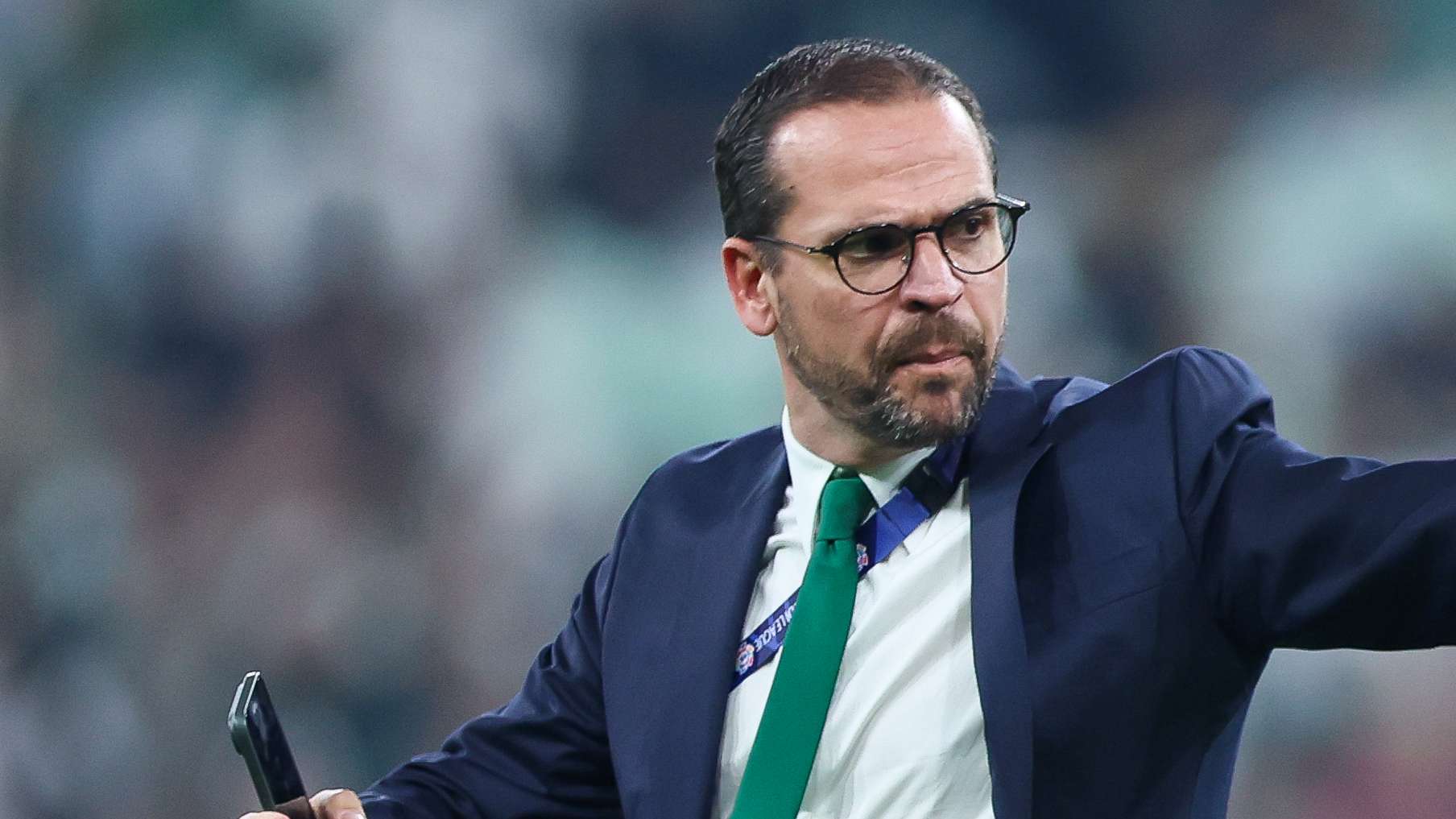
The Saudi Arabian football scene continues to captivate fans worldwide, not only through thrilling matches but also through unexpected managerial shifts that shake up team dynamics. In a surprising development, Al-Ahli, one of the most historic clubs in Saudi Arabia, announced the termination of Rui Pedro Braz’s role as sporting director. This decision marks a significant turning point for the club amid a challenging start to the season and highlights the volatile nature of football management in the region.
Unveiling the Reasons Behind Rui Pedro’s Dismissal
While official statements from Al-Ahli confirmed the sacking of Rui Pedro last Thursday, the story behind this abrupt decision has been the subject of intense speculation and detailed reports. According to insights from prominent press outlets and local football analysts, the root cause appears to be a combination of recent match performances and internal club dynamics.
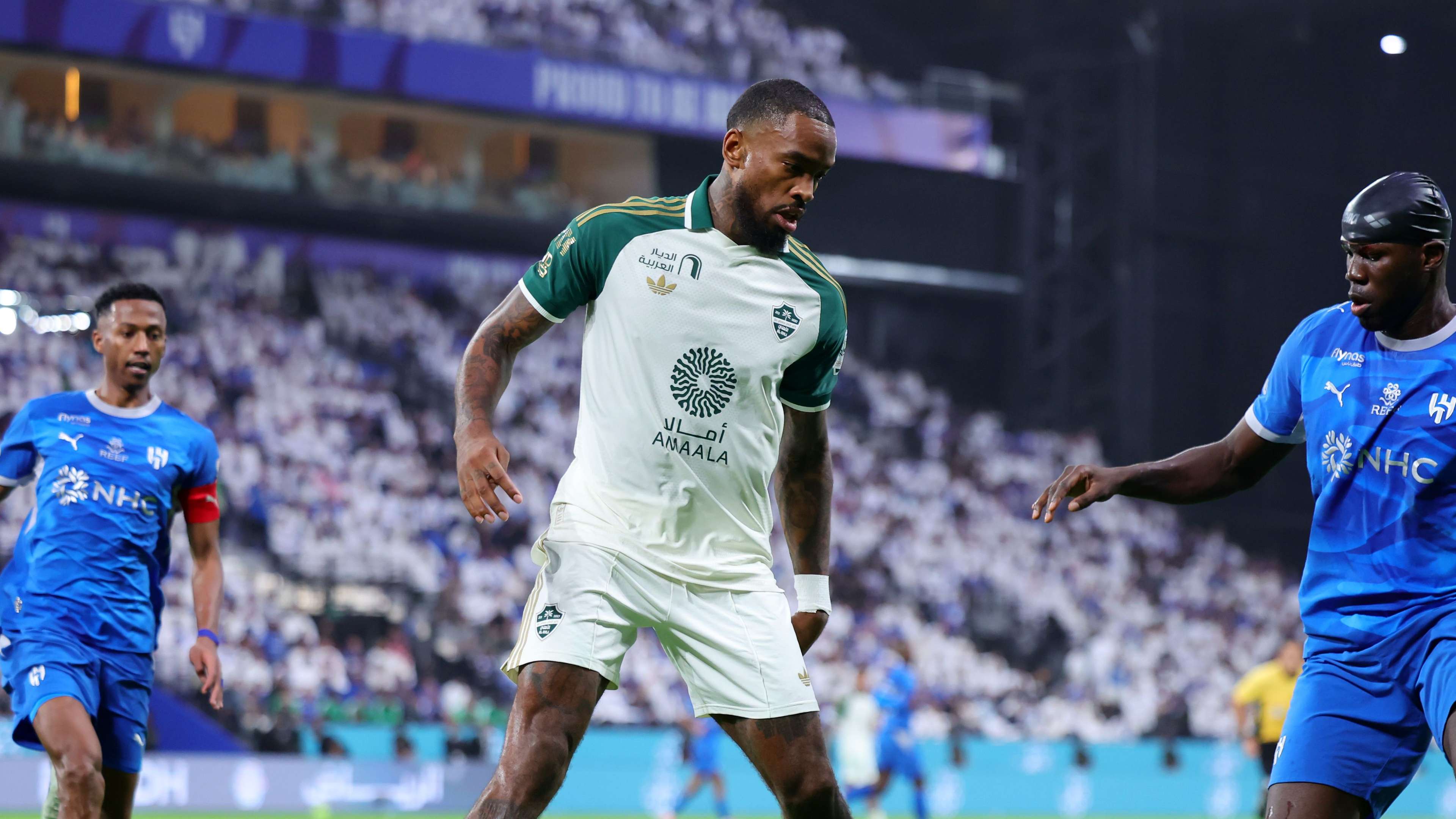
Sources close to the club reveal that the decision was heavily influenced by a series of disappointing results, particularly the heavy 3-0 defeat to Al-Hilal in the recent Saudi Clasico at the Kingdom Arena. This match, played on Tuesday, was more than just a loss; it was a wake-up call that intensified scrutiny on the club’s leadership and strategic direction. The defeat, coupled with a string of underwhelming performances in the Saudi Roshn League, created mounting pressure from players and supporters alike.
Interestingly, behind-the-scenes reports indicate that the players themselves had a significant role in the decision-making process. After the humiliating loss, a confidential meeting was held between the squad and the club’s executive management. During this crucial gathering, players expressed their frustrations and called for immediate changes in the club’s sporting structure. Such player influence underscores a shift in power dynamics within Saudi football, where the voice of athletes is increasingly shaping club decisions.
The Transition: From Rui Pedro to Osama Hawsawi
Following Rui Pedro’s departure, Al-Ahli appointed Osama Hawsawi, a well-respected former player and current assistant, as the interim sporting director. Hawsawi, a native Saudi and a revered figure in the club’s history, is expected to bring stability and local expertise to the role during this transitional phase.
This move is seen by many as a strategic decision to align the club’s leadership with local football culture while evaluating the future direction of the team. Hawsawi’s familiarity with the club’s ethos and his experience on the pitch are considered assets that could help rebuild team morale and tactical cohesion.
Rui Pedro’s Brief but Impactful Tenure
Rui Pedro Braz’s stint at Al-Ahli was relatively short but noteworthy. Appointed last October, his arrival marked a new chapter for the club, which was aiming to elevate its competitive standards. Prior to his role at Al-Ahli, Rui Pedro had built a reputation in Portuguese football, notably serving as sporting director at Benfica from 2021 to 2025. His European experience and professional approach initially generated optimism among fans and pundits.
Despite high expectations, the season did not unfold as planned. Challenges such as adapting to the unique pressures of Saudi football, cultural adjustments, and the club’s internal ambitions created hurdles that ultimately contributed to his departure. His tenure underscores the complexities faced by foreign managers and sports directors in the Middle East, where expectations are high, and results are often scrutinized intensely.
Current State of Al-Ahli and Future Prospects
Al-Ahli’s recent results have cast a shadow over their ambitions for the season. The team’s 0-3 loss against Al-Hilal not only intensified fan disappointment but also sparked debates about the club’s strategic direction. Fans are eager to see how the new leadership under Osama Hawsawi will address current challenges and reinvigorate the squad.
Looking ahead, the club’s management faces critical decisions regarding transfers, tactical adjustments, and long-term planning. The upcoming fixtures, including matches against Al Khaleej and Al Qadsiah, will be pivotal in assessing the team’s resilience and the effectiveness of new leadership structures.
The Broader Context: Football Prediction and the Saudi League Landscape
The Saudi Pro League continues to grow in stature, attracting international attention and investments. As clubs like Al-Ahli navigate managerial upheavals, fans and analysts are keenly interested in football predictions for upcoming matches and the league’s competitive balance.
With teams vying for dominance, predictions increasingly factor in managerial changes, squad strength, and tactical shifts. In the case of Al-Ahli, football experts are cautiously optimistic about their prospects under new leadership but acknowledge that rebuilding trust and performance takes time.
Moreover, the league’s evolving landscape, boosted by Saudi Arabia’s ambitious sports investments, suggests that clubs will continue to experience rapid changes. This dynamism adds an extra layer of intrigue for football enthusiasts who follow predictions and betting markets closely.
Conclusion: A Turning Point for Al-Ahli and Saudi Football
The sacking of Rui Pedro Braz as Al-Ahli’s sporting director signifies more than just a managerial shake-up; it reflects the intense competitive environment of Saudi football and the club’s desire to bounce back stronger. While the road ahead remains uncertain, the appointment of Osama Hawsawi and the club’s strategic recalibration could serve as catalysts for future success.
For fans and followers of football prediction, this period offers exciting opportunities to analyze team form, managerial impact, and league trends. As Saudi football continues to evolve, staying informed about such developments will be essential for making accurate predictions and understanding the shifting power dynamics within the league.
In summary, Al-Ahli’s recent decision underscores the high stakes of modern football management in the Middle East, where results, leadership, and internal cohesion are all critical to success. The coming months will reveal whether this change will translate into improved performances and ultimately, a return to the club’s former glory.