
Final Stages of the Maradona Death Investigation: Key Witnesses to Testify Next Week
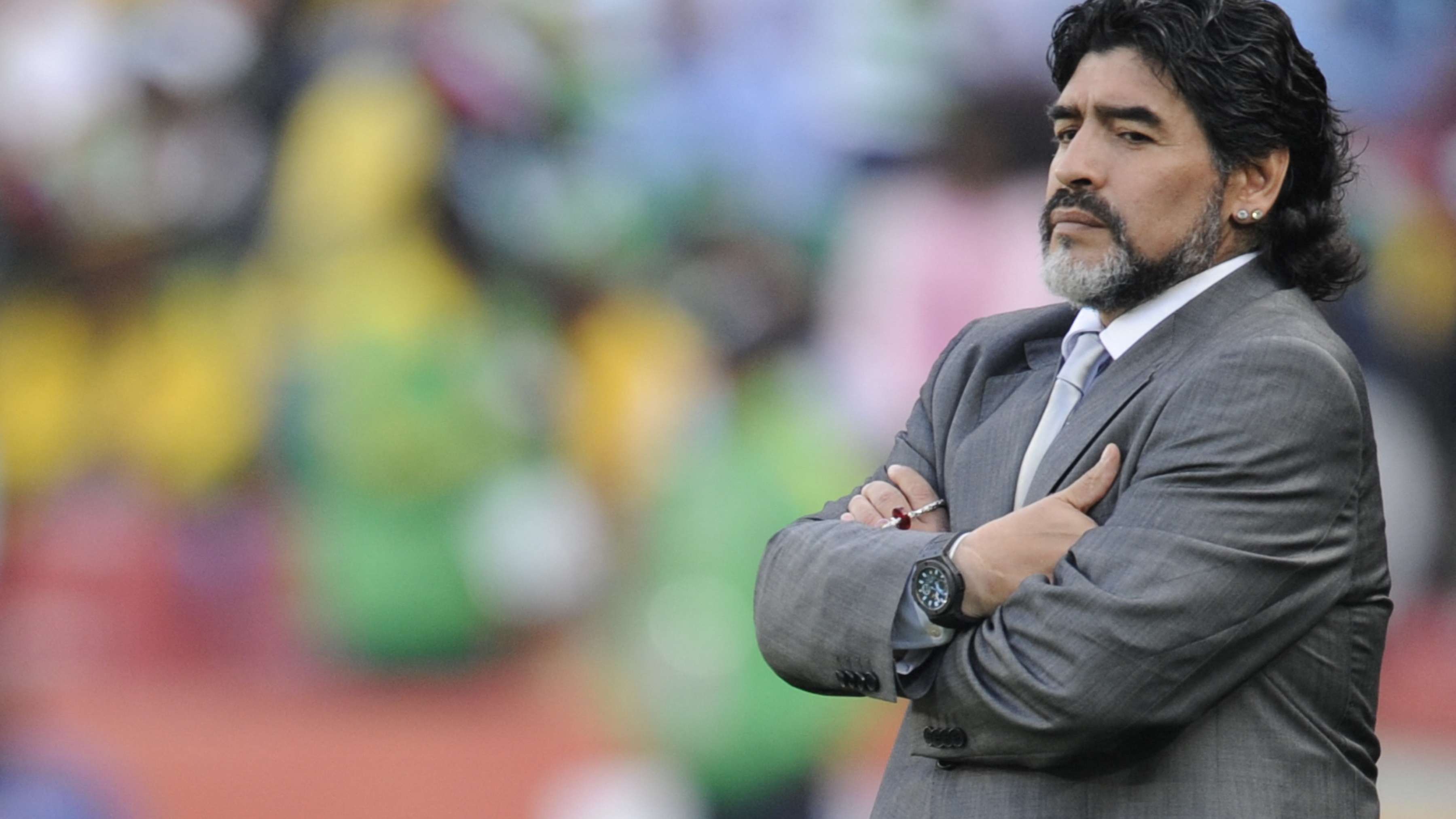
The ongoing legal case surrounding the death of football legend Diego Armando Maradona is approaching a critical phase. As the investigation moves toward its conclusion, court proceedings are set to feature crucial testimonies from medical experts and witnesses involved in the case. These developments not only shed light on the circumstances leading to Maradona’s untimely demise but also raise questions about medical responsibility and the standards of care provided to one of football’s most iconic figures.
Background: The Tragic End of a Football Legend
Diego Maradona, widely regarded as one of the greatest football players of all time, passed away on 25 November 2020 at his residence on the outskirts of Buenos Aires. His death followed a recent neurosurgical procedure to address a subdural hematoma, a serious head injury. Despite his status as a football superstar, Maradona was battling health issues and undergoing home-based treatment during his final days. His sudden passing sent shockwaves through the global football community, prompting a thorough investigation into the medical care he received.
The Court’s Investigation: Focus on Medical Responsibility
The criminal proceedings are centered on allegations of negligence and possible homicide by medical professionals involved in Maradona’s care. The court has assembled a multidisciplinary medical board comprising forensic doctors, cardiologists, psychiatrists, toxicologists, nephrologists, and hepatologists to analyze the circumstances surrounding his death. The core question: Did the medical team provide adequate, timely, and appropriate care?
Prosecutors and the prosecution team concluded their evidence presentation last Tuesday, with expert testimonies emphasizing their findings. Notably, experts José Luis Covelli and Ramiro Laria, both members of the medical board, characterized the healthcare provided to Maradona as “inadequate, deficient, and reckless.” Their statements suggest that more could have been done to prevent his death, including the possibility that hospitalization might have saved his life.
Key Witnesses and Their Testimonies
Antonio José Maya: The Defense Expert
Scheduled to testify next Thursday, Dr. Antonio José Maya is a distinguished surgeon, forensic doctor, and expert witness representing the defense. He played a pivotal role in the 2021 investigation, being part of the medical team assessing Maradona’s health status before his death. Maya has argued that Maradona’s death was sudden and that there was no prior medical history indicating a high risk for cardiac events, suggesting that the outcome could not have been predicted with certainty.
Contrasting Views from the Medical Board
Earlier testimonies from other members of the medical board painted a different picture. Cardiologist Gustavo Di Nero highlighted several warning signs during Maradona’s last two weeks, including fluid retention, breathing difficulties, and altered consciousness—symptoms often associated with heart failure. Di Nero emphasized that these signs should have prompted immediate medical intervention. He pointed out that, had Maradona been brought into a clinical setting, medication could have potentially mitigated the risk of a fatal cardiac event.
Meanwhile, Dr. Covelli and Dr. Laria expressed concern that the medical response was insufficient, indicating that proper hospitalization might have prevented the tragedy. Their testimonies underscore a consensus that Maradona’s health was compromised and that more proactive measures could have made a difference.
The Role of Medical Oversight and Responsibility
The case also explores broader issues related to medical oversight, especially in managing high-profile patients with complex health needs. The medical board’s findings suggest systemic shortcomings—potentially negligence—that may have contributed to Maradona’s death. This has sparked a debate within the football community and among healthcare professionals about the standards of care provided to former athletes and celebrities, particularly when they are under home treatment rather than hospital supervision.
Who Are the Accused in the Case?
Directly implicated in the proceedings are several medical professionals and healthcare administrators. The primary defendants include:
- Leopoldo Luque: The neurosurgeon responsible for the initial head surgery and subsequent care.
- Agustina Cosachov: The psychiatrist overseeing Maradona’s mental health and medication management.
- Nancy Forlini: Coordinator of the home care department at Swiss Medical, responsible for organizing the patient’s home-based treatment.
- Carlos Díaz: Psychologist involved in Maradona’s mental health support.
- Pedro Di Spagna: A doctor providing medical advice during the home care period.
- Mariano Perroni: Nursing coordinator involved in daily patient care, along with Ricardo Almirón, a nurse present during Maradona’s final days.
All these individuals face charges of simple homicide with premeditation—a serious allegation that underscores concerns about medical negligence or malpractice in the star’s care.
Implications for Football and Healthcare Standards
The Maradona case resonates beyond legal circles, prompting reflection within the football community and healthcare sectors worldwide. It raises vital questions about the responsibilities of medical teams managing retired athletes and high-profile individuals. Should there be stricter protocols for home care? How can medical professionals better recognize early warning signs of deterioration in vulnerable patients? These are pressing issues that extend into broader discussions about patient safety, medical ethics, and the role of specialized medical oversight in football’s extended ecosystem.
The Future Proceedings and Public Interest
Next Thursday, the court will hear from the expert witnesses presented by the defense teams, including Dr. Maya and others involved in Maradona’s care. This session promises to be pivotal, as it could influence the court’s final judgment regarding accountability and potential sentencing.
The case has garnered intense media coverage and public interest, not only because of Maradona’s legendary status but also due to the broader implications for medical accountability in high-stakes environments. Football fans worldwide continue to mourn the loss of their hero, while healthcare and legal experts analyze the case’s lessons for future medical practices.
Conclusion: A Call for Reflection and Reform
The final stages of this investigation serve as a sobering reminder of the responsibilities healthcare providers bear, especially when caring for individuals with complex health histories. As the court prepares to hear critical testimonies, the football community and the public await the outcome that could set important precedents for medical responsibility, patient care standards, and the safeguarding of legendary figures in the sport’s history.
In the realm of football prediction, this case underscores the unpredictable nature of health crises—even for icons like Maradona—highlighting the importance of vigilant, competent medical care to prevent tragedy. As the legal process unfolds, it also offers an opportunity to reflect on how the sport and its associated healthcare practices can evolve to better serve athletes and former players alike, ensuring that such tragedies are less likely to recur in the future.